

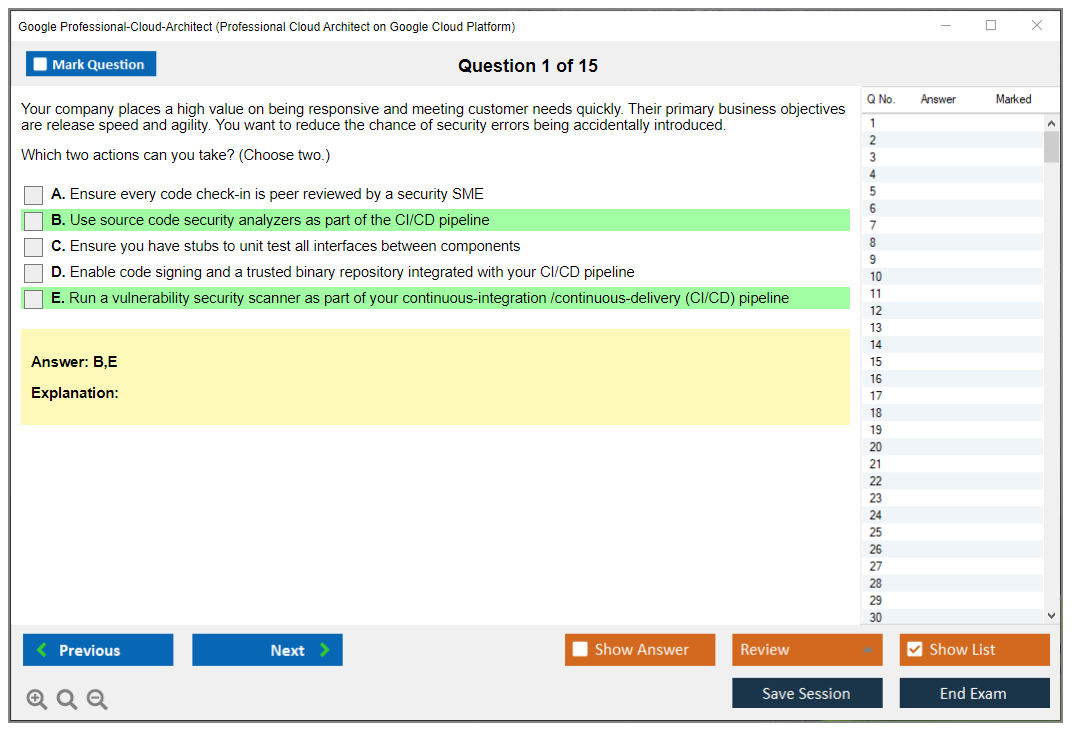
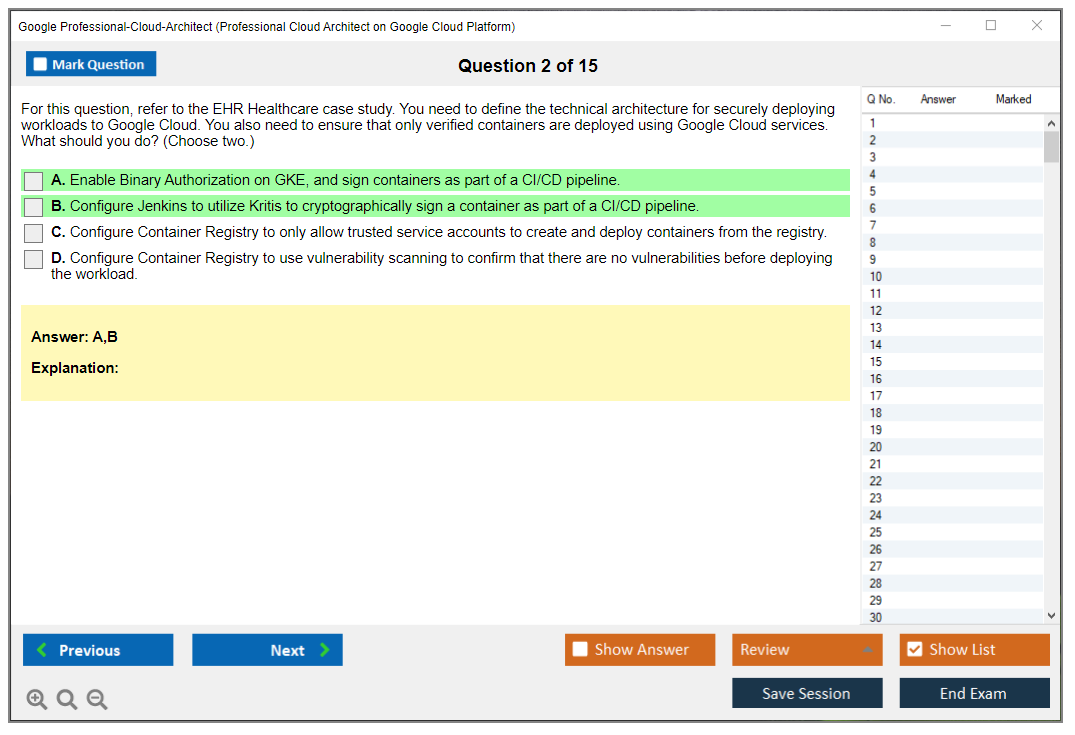
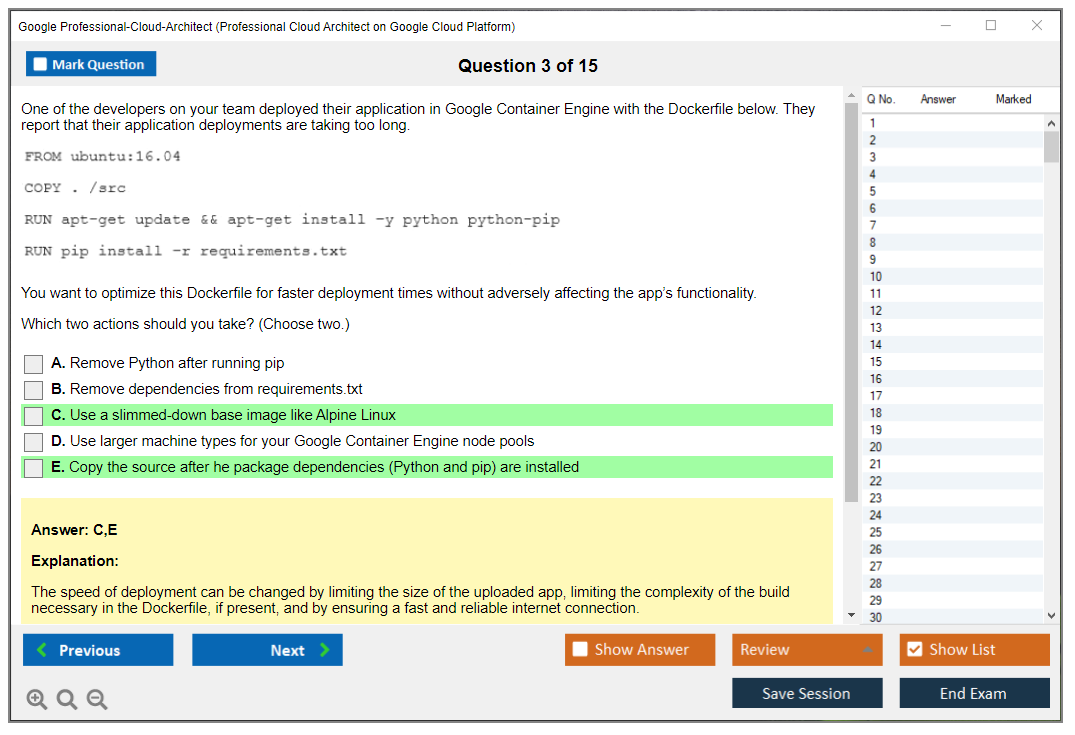
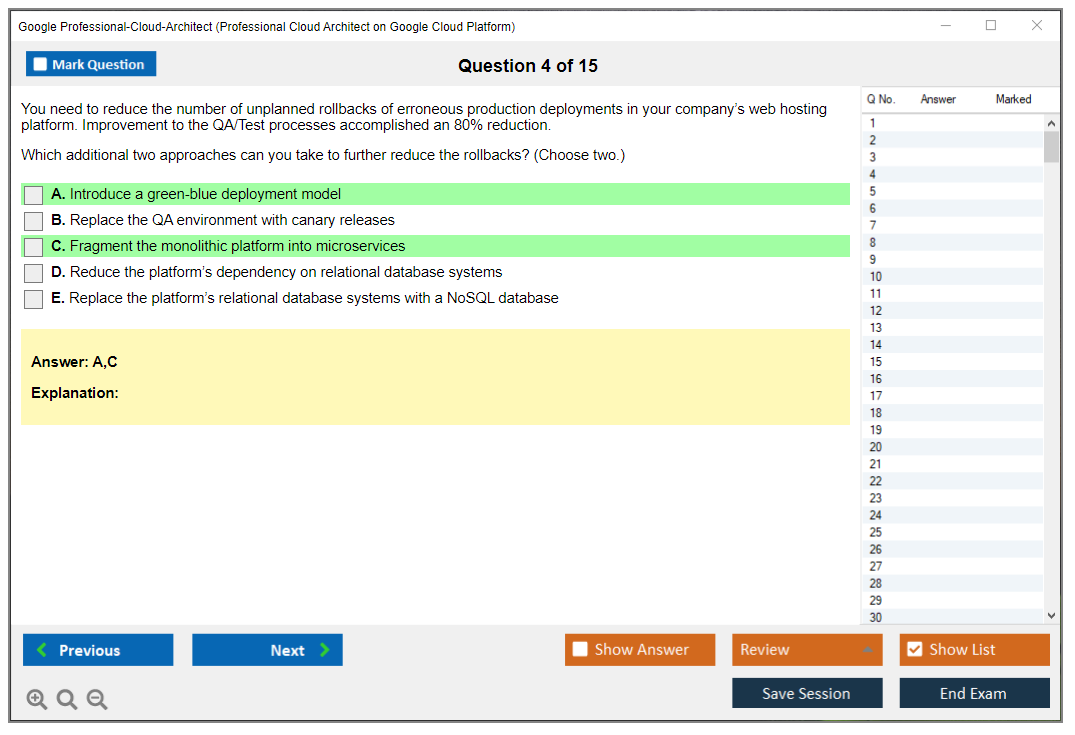
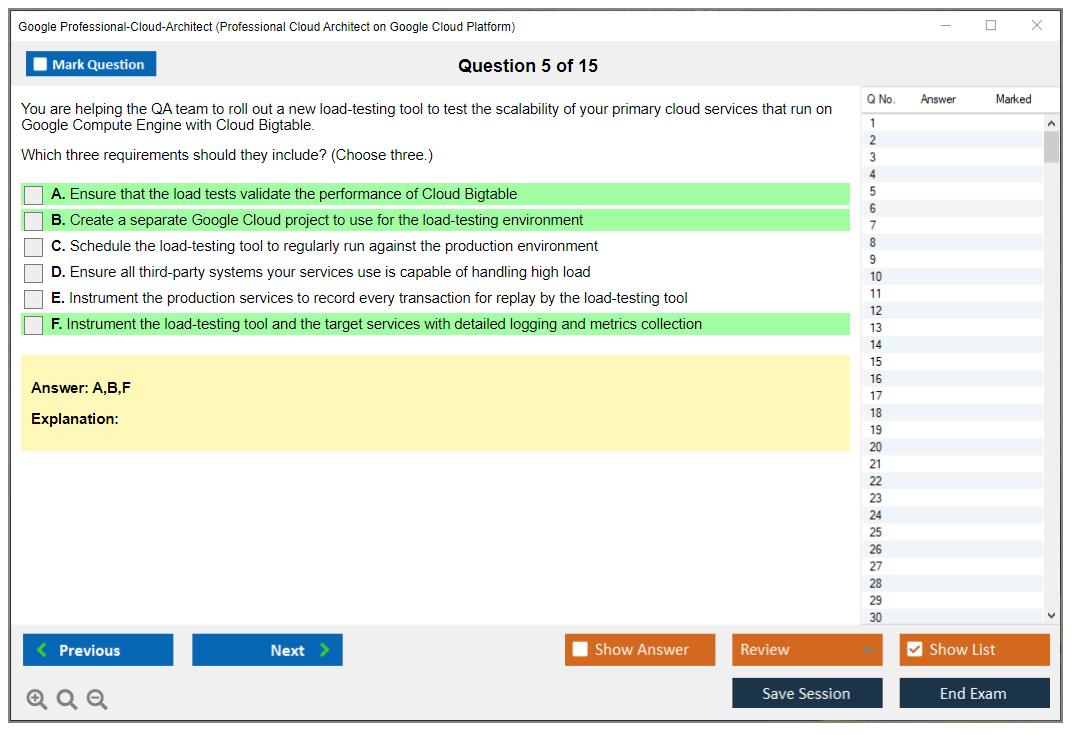
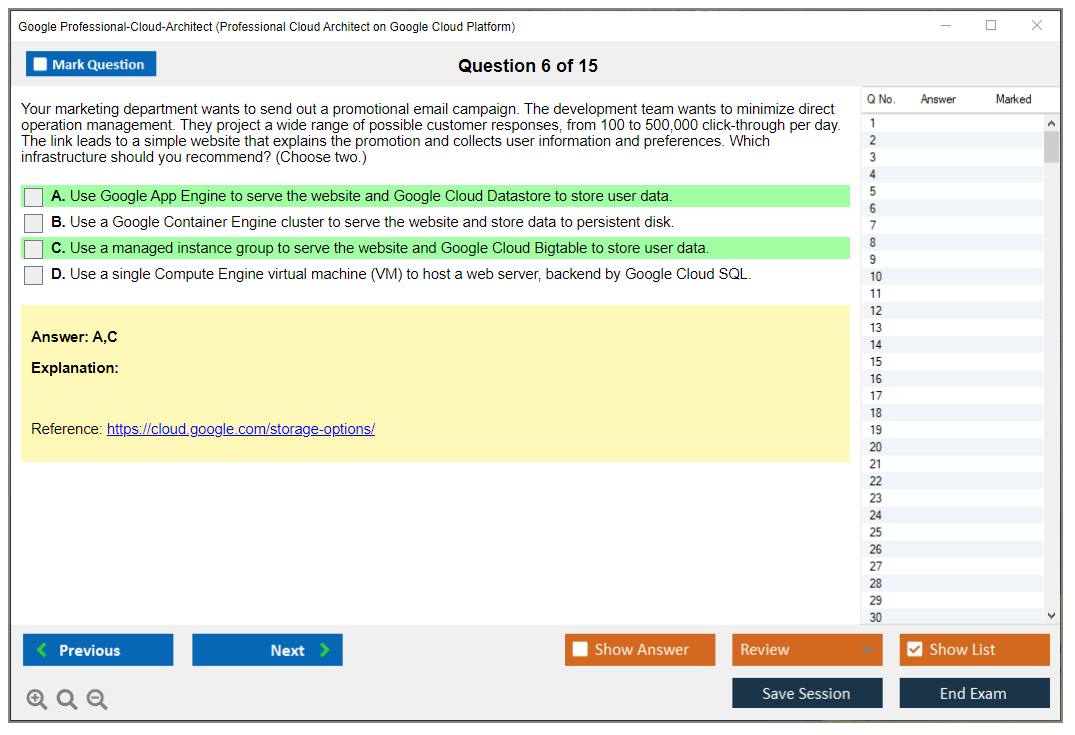
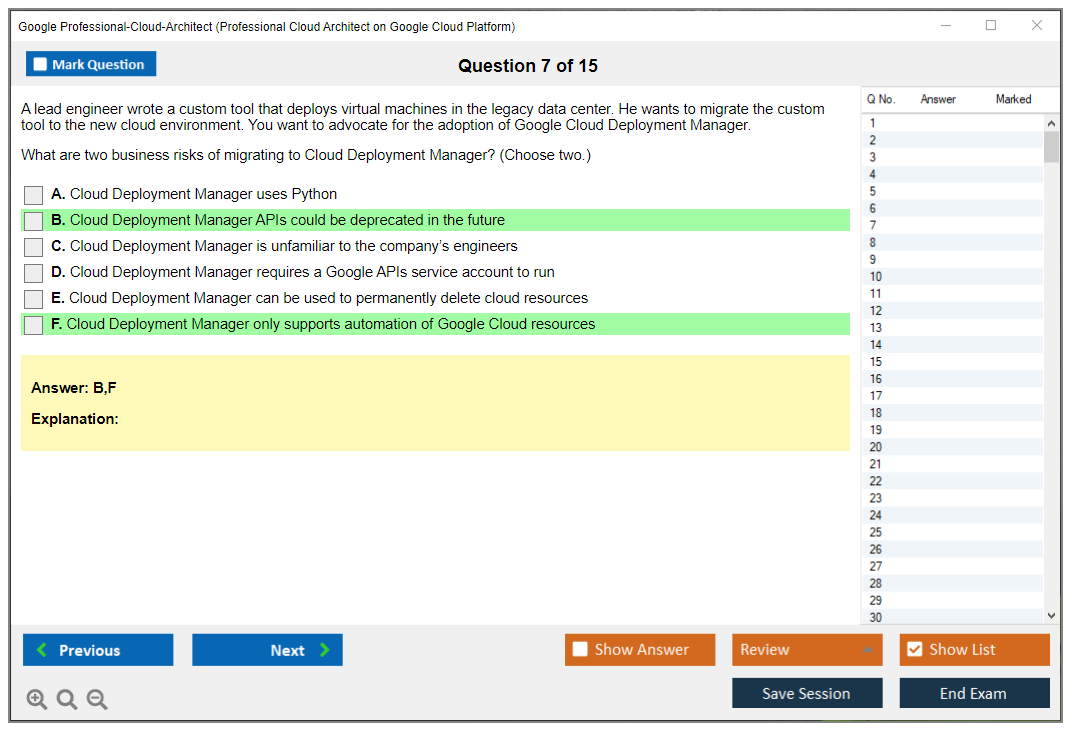
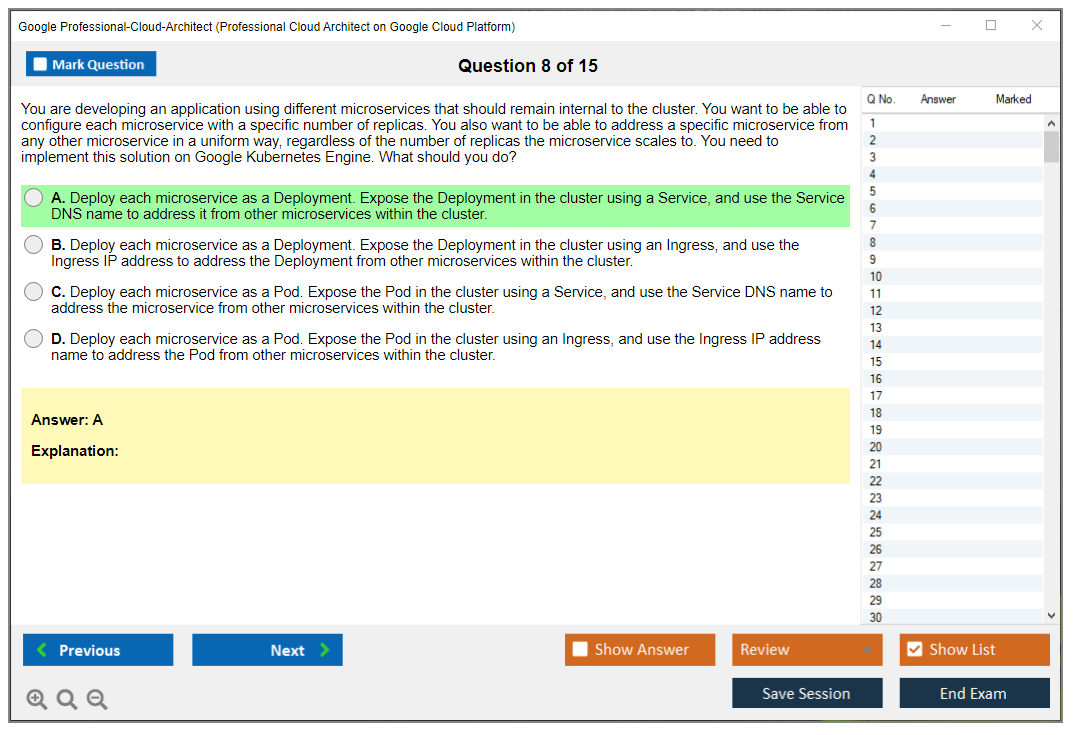
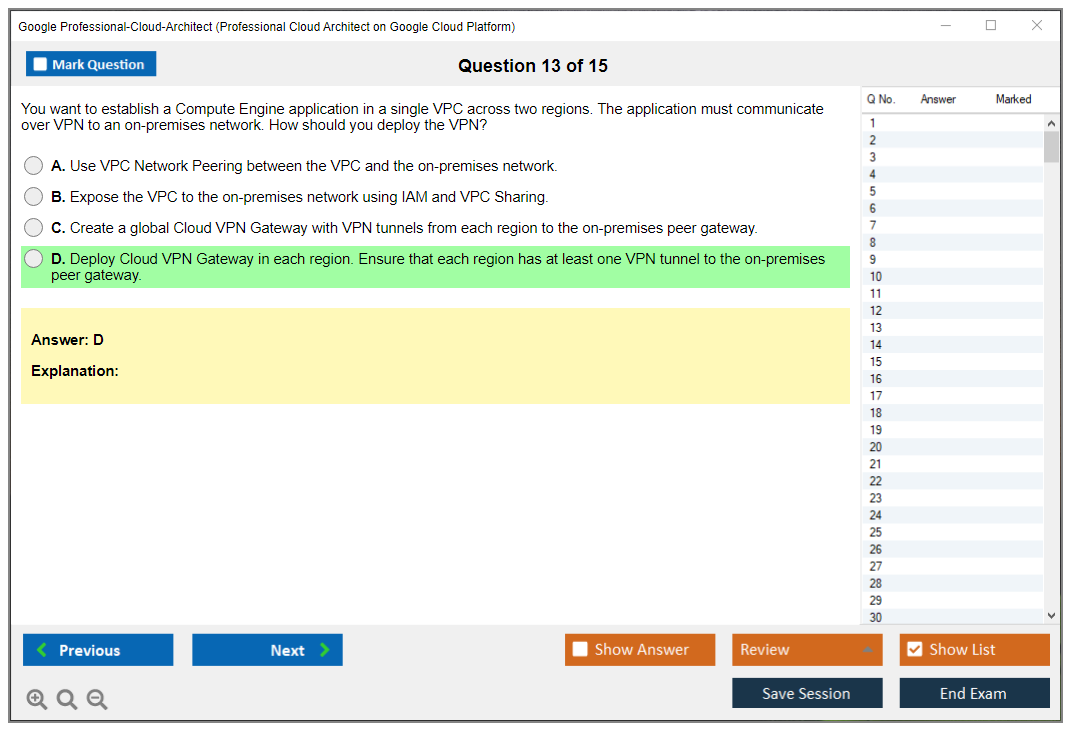
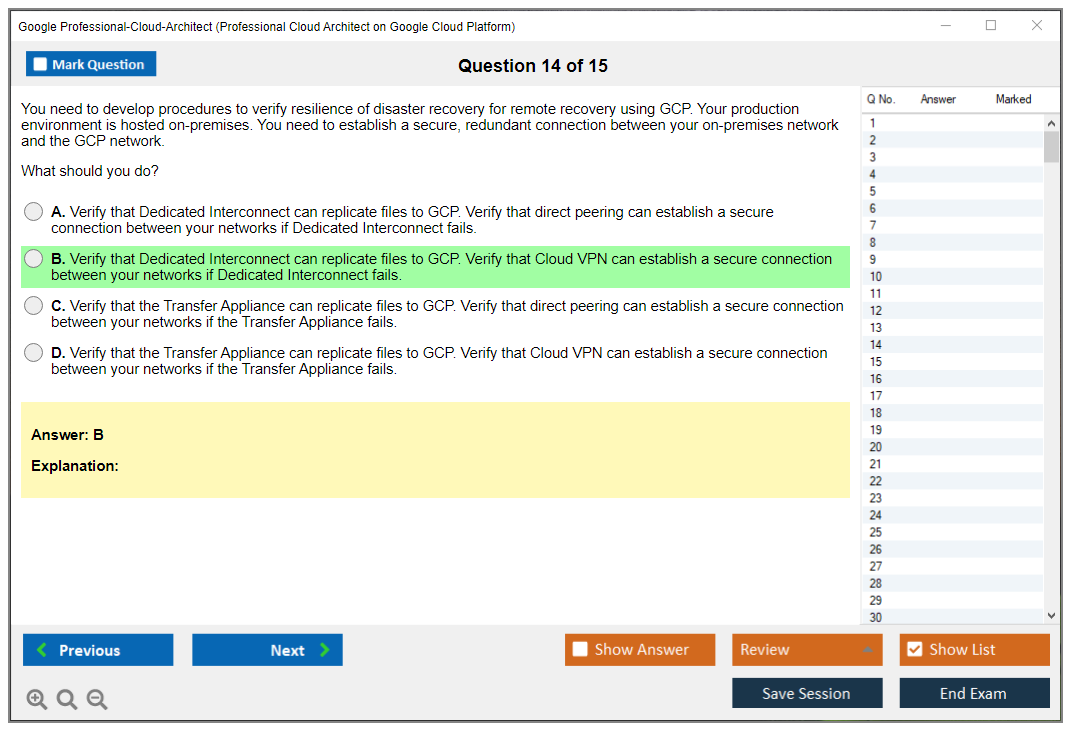
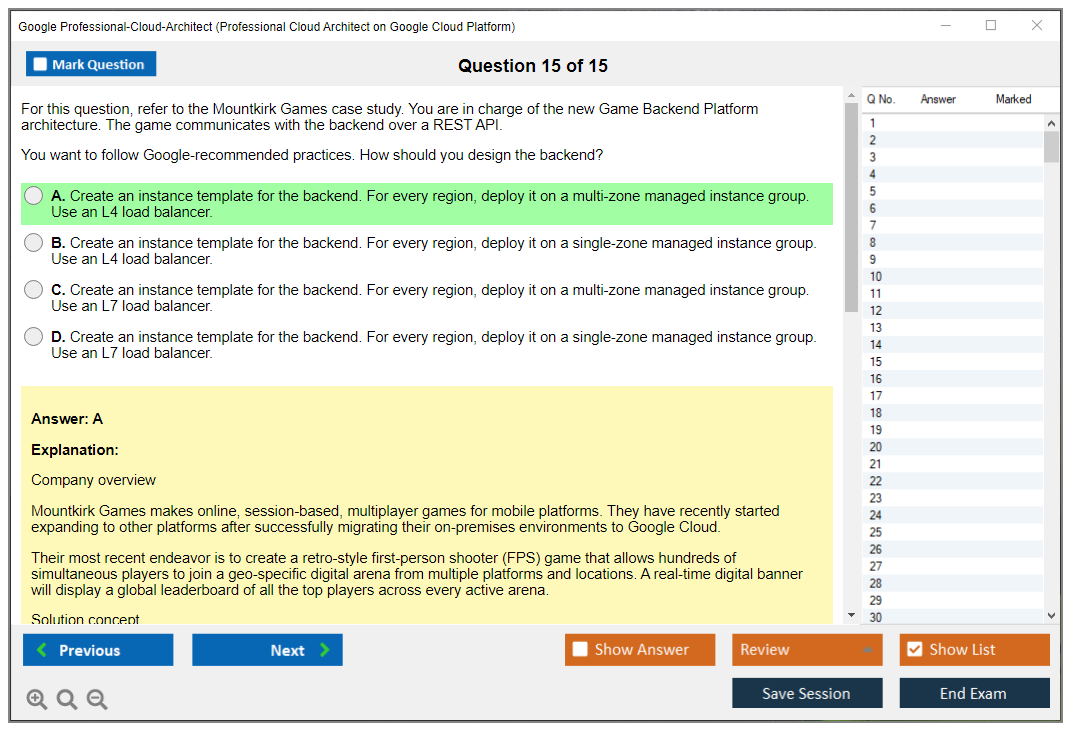
Google Professional-Cloud-Architect (Google Certified Professional - Cloud Architect (GCP))
Google Professional Cloud Architect Certification Overview
Google Professional Cloud Architect Certification Overview
The Google Professional Cloud Architect certification is an industry-recognized credential that validates expertise in designing, developing, and managing solid, secure, scalable, highly available, and dynamic solutions on Google Cloud Platform. This is not just another cert. It demonstrates your ability to use Google Cloud technologies to enable business objectives and transform organizations in ways that actually matter to stakeholders signing the checks. Without this validation, you're asking executives to trust your judgment on multi-million dollar infrastructure decisions based purely on your resume. Which, let's be honest, is a tough sell even with impressive experience.
This certification validates skills in solution design, infrastructure management, security implementation, and business process optimization. Recognized globally by enterprises seeking cloud architecture expertise, this credential sits firmly in Google Cloud's professional-level certification portfolio, positioned above associate-level credentials like the Associate Cloud Engineer that focuses more on implementation than strategic design.
What the Professional Cloud Architect validates
The certification proves proficiency in designing cloud solution architectures meeting business and technical requirements. Sounds straightforward until you're juggling budget constraints, compliance nightmares, and that one stakeholder who insists everything must be "serverless" without understanding what that means. It validates your ability to manage and provision cloud infrastructure using Google Cloud services and best practices. Plus expertise in designing for security, compliance, and regulatory requirements across industries like healthcare, finance, retail.
You'll need skills analyzing and optimizing both technical processes and business operations, which honestly means understanding how reducing latency by 200ms actually impacts revenue or user retention in measurable ways that finance teams care about. The cert also validates competence in managing implementation projects, ensuring stakeholder alignment and successful delivery. Where many technically brilliant architects completely fall apart.
Knowledge of ensuring solution reliability is critical. That includes monitoring, incident response, and capacity planning. Understanding cost optimization strategies and resource management across cloud environments separates architects who get renewals from those who blow budgets spectacularly. The capability to evaluate trade-offs between different architectural approaches and technologies is what the exam really tests. Like when to use Cloud Run versus GKE, or Firestore versus Cloud SQL. Those brutal case studies feel more like solving political puzzles than technical problems, but that's the reality of enterprise architecture.
Who should take this certification
Cloud architects designing enterprise-grade solutions. That's obvious. Solutions architects transitioning from on-premises or other cloud platforms to GCP will find this validates their new expertise, though AWS veterans sometimes struggle with GCP's approach to IAM and organization hierarchy because Google structured permissions completely differently.
Technical leads overseeing cloud migration and modernization initiatives need this credential to maintain authority during those inevitably contentious migration planning meetings where everyone has opinions but nobody wants accountability. Senior infrastructure engineers advancing into architecture roles should pursue it. IT consultants advising clients on Google Cloud adoption strategies basically require this to maintain credibility, especially when competing against consultants who already have it and can point to the certification during proposal presentations.
DevOps professionals expanding architectural knowledge find value here, though you might want to check out the Professional Cloud DevOps Engineer certification depending on your focus. System administrators seeking to validate cloud design expertise can make the jump, but you'll need significant hands-on GCP experience first or you'll get demolished by the case study questions. Technology decision-makers who need deep technical understanding of GCP capabilities sometimes pursue this to better evaluate vendor proposals and architect recommendations, though that's a significant time investment for someone in an executive role.
Career benefits and opportunities
Enhanced credibility. Immediate. Competitive advantage in job market for cloud architect and senior engineering positions becomes noticeable when recruiters start reaching out with opportunities you weren't seeing before the certification appeared on your profile. Potential salary increases ranging from 15-30% according to industry surveys aren't guaranteed, but they're realistic if you negotiate properly and can actually demonstrate the skills rather than just waving the certificate around.
Access to Google Cloud certified professional community and exclusive resources sounds like marketing fluff but actually provides valuable networking opportunities. The Slack channels and forums alone have saved me hours of troubleshooting on obscure GCP quirks. Demonstration of commitment to professional development and staying current with cloud technologies matters more than people think when managers decide promotions and there's multiple qualified candidates competing for the same senior architect position.
Foundation for pursuing additional Google Cloud certifications makes sense. Specializations like Professional Data Engineer or Professional Machine Learning Engineer build naturally on architectural knowledge if you're developing specialized expertise in particular domains rather than staying generalist.
Qualification for roles at Google Cloud partners and consulting organizations opens doors that weren't there before. Particularly at firms needing certified staff to maintain partner status and bid on enterprise contracts with certification requirements baked into RFPs.
Certification positioning in the Google Cloud ecosystem
This professional-level certification requires deeper expertise than Associate Cloud Engineer. Way deeper. Focusing on architectural decision-making rather than operational implementation means you're expected to know why you'd choose a particular service, not just how to configure it. That's a fundamentally different skill set that some implementation-focused engineers struggle to develop even with years of hands-on experience.
The cert complements other professional certifications like Professional Cloud Developer and various specialized tracks that focus on specific technical domains rather than broad architectural thinking.
It's recommended as second or third certification after gaining foundational GCP knowledge, though some experienced architects from other platforms jump straight in and manage fine if they've got strong architectural fundamentals. The content fits with Google Cloud Adoption Framework and Well-Architected Framework principles. You'll reference those constantly anyway.
If you're serious about cloud architecture on Google Cloud Platform, this certification validates you're not just winging it when making decisions that'll impact infrastructure for years.
Professional Cloud Architect Exam Format and Structure
Google Professional Cloud Architect certification overview
What the Professional Cloud Architect validates
Okay, so the Google Professional Cloud Architect certification is basically Google asking, "Can you design stuff that won't fall over on Monday morning?" It's not trivia night. Not product flashcards. You're expected to think in Google Cloud solution design best practices, weigh tradeoffs, and pick the option that fits business goals, security, and ops reality. Like, the messy reality where nothing's perfect and someone's budget just got slashed midway through the quarter.
Who should take this certification
Look, if you're already the person in meetings translating "we need it compliant" into IAM, VPC design, org policy, and logging, you're the target. Brand new? If you're still mixing up Cloud Run and GKE, you can still study, but honestly, the exam assumes professional-level judgment, not just the ability to repeat service descriptions. Real projects help. A lot.
Exam details (format, length, delivery)
Exam format and question types (including case studies)
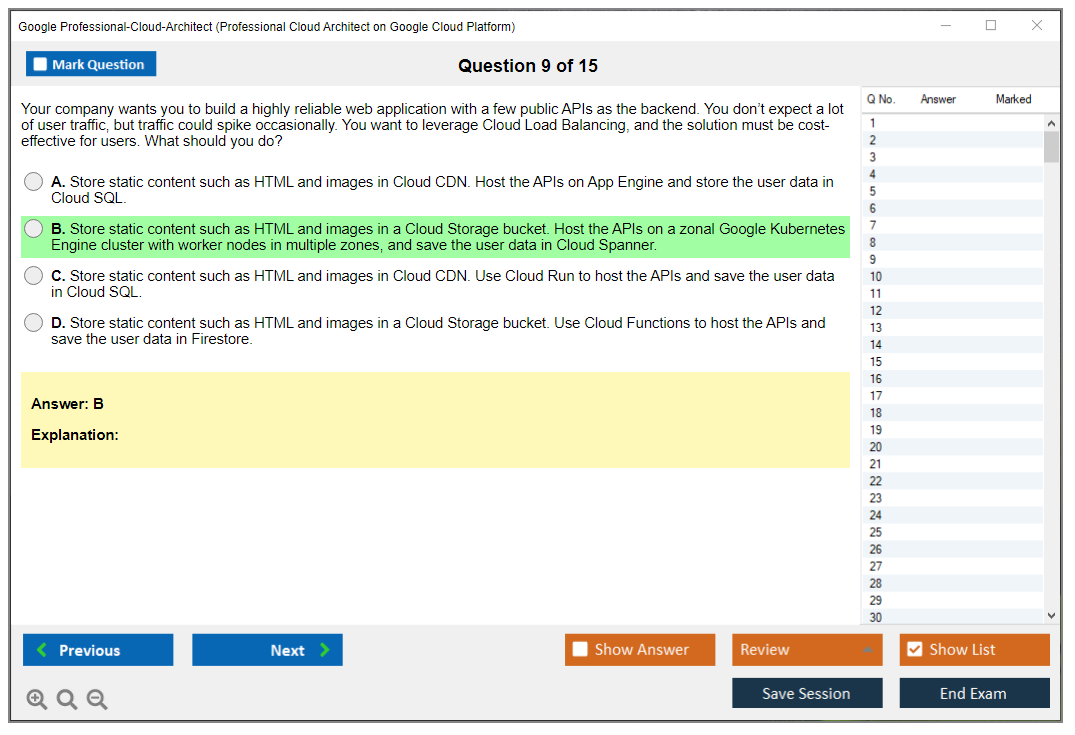
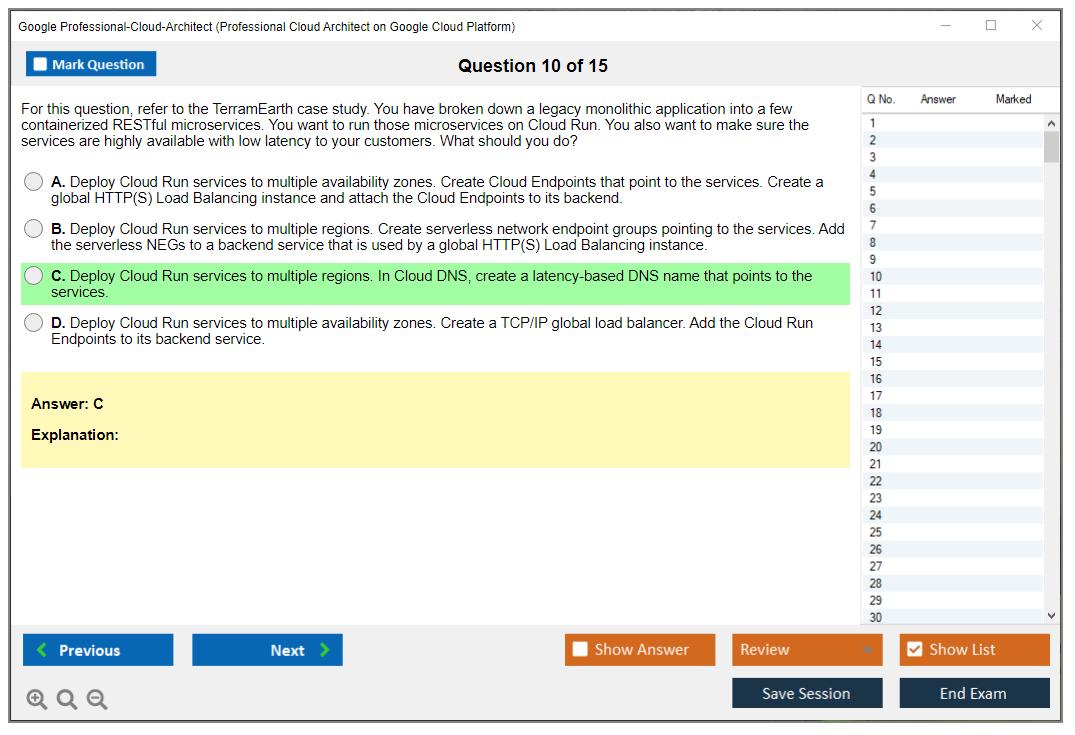
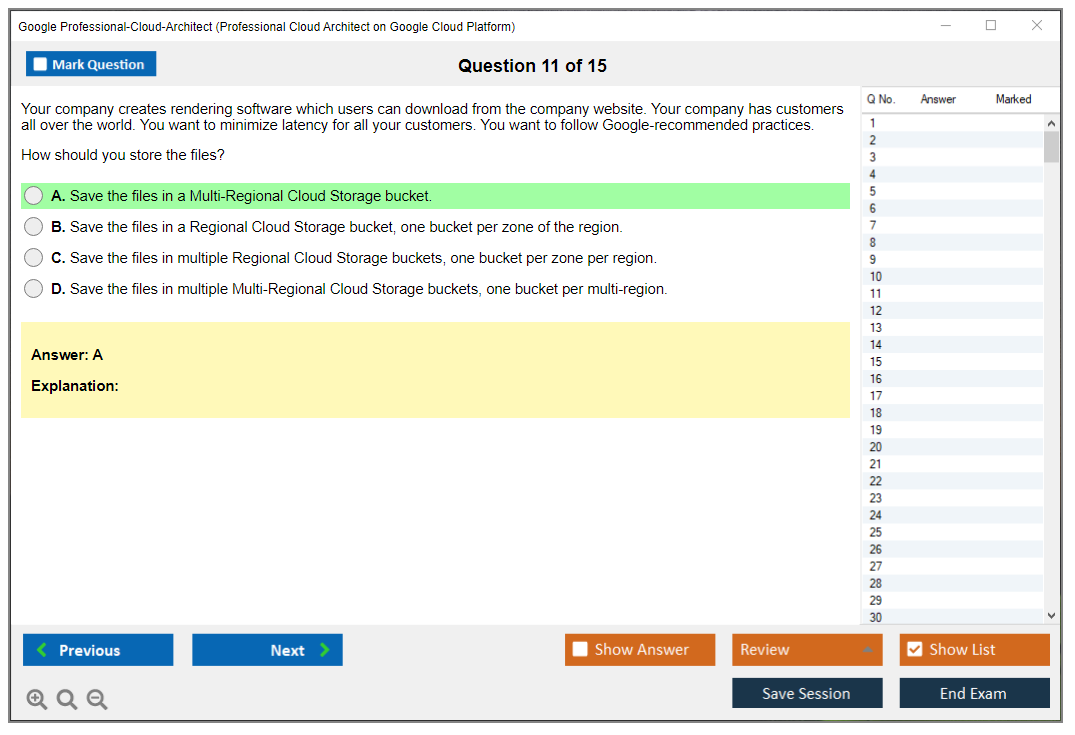
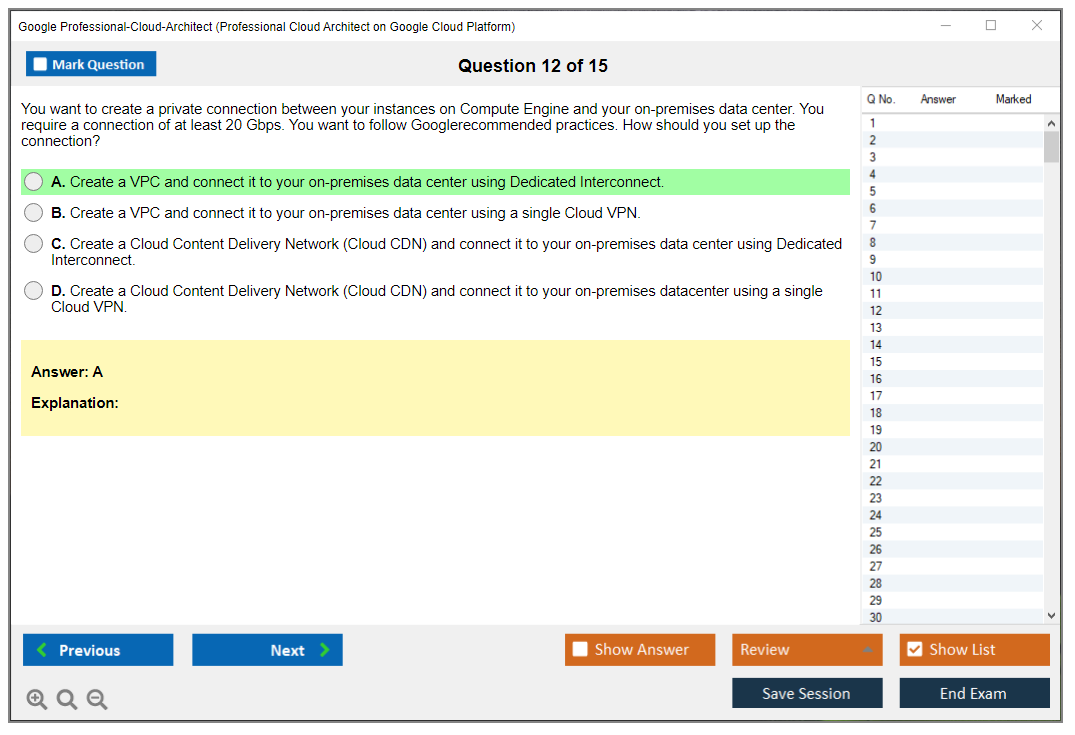
The exam format overview's pretty consistent: multiple-choice and multiple-select questions, with a mix of direct knowledge checks and messy scenario prompts that'll make you second-guess yourself at 2 AM while reviewing flashcards on your phone. Some questions are simple. Short. "Which service does X?" Others read like a mini incident review where you've gotta infer what's broken, what's risky, and what's overkill. Then choose the least-wrong answer based on constraints like latency, data residency, and ops effort. And the thing is, two answers might look right until you notice one violates a compliance requirement buried in the second paragraph.
You'll see scenario-based questions that force you to analyze business requirements and technical constraints, not memorize feature lists. Honestly that's why people call this a case study based Google Cloud exam even beyond the official case studies. Expect design questions, troubleshooting, migration strategy, cost optimization, and security and compliance prompts that basically ask if you can design secure and compliant cloud infrastructure on GCP without turning the bill into a dumpster fire or getting your CISO fired.
Total question count's typically 50 to 60, and you complete them within the time limit. Questions are weighted equally, and there's no negative marking for wrong answers, so guessing's better than leaving anything blank. Difficulty ranges from intermediate to advanced. Some are "what service." Some are "which architecture survives this constraint set."
Online vs test center options
You can take it at a Kryterion test center or do online proctoring. Test center's the controlled environment, quiet desk, on-site proctors, fewer "my webcam driver updated" surprises. Online's convenient and flexible, but you'll need a webcam, mic, stable internet, and a private room, plus the room scan and ID verification. Same exam content either way. If your home setup's chaotic or your internet's flaky, I mean, just go to the center and save yourself the stress. Trust me, you don't wanna be arguing with a proctor chatbot while your exam timer's running.
Languages and availability
The exam's available in English, Japanese, Spanish, and Portuguese (Brazil). English tends to get updates first, so if you want the freshest version aligned to changes, keep that in mind. Test centers exist across major cities globally. Online proctoring's broadly available with some regional restrictions. Scheduling varies, and peak slots go fast, so booking 2 to 3 weeks ahead's smart, especially if time zones matter for your workday.
Professional Cloud Architect exam cost
Exam fee and taxes (region-dependent)
People always ask, "How much does the Google Professional Cloud Architect exam cost?" The fee's set by Google/Kryterion and then taxes may apply depending on region, so the final amount can differ. Check the current listing right before you book because prices and local tax rules change.
Reschedule/retake policy (what to verify before booking)
Verify reschedule windows, no-show rules, and retake waiting periods on the official booking page. Policies shift. Don't rely on old Reddit posts. This's also where you confirm system checks for online proctoring, which can save you from a very stupid exam-day cancellation.
Passing score for Professional Cloud Architect
Is the passing score published by Google?
"What is the Professional Cloud Architect passing score?" Google doesn't publish a numeric passing score. Not gonna lie, that's annoying if you want a clean target. Treat it like a competency exam, not a points game.
How results are reported (pass/fail, score report)
You get pass/fail, plus a section-level performance report. It's enough to guide your next study cycle, but it won't tell you you got a 78.2%.
Professional Cloud Architect exam difficulty
Why candidates find it challenging (architecture tradeoffs, case studies)
"How hard is the Google Professional Cloud Architect certification?" Harder than associate-level exams because it's decision-heavy. And I mean, the tricky part's tradeoffs: cost vs reliability, managed services vs control, security posture vs developer speed, and what changes when you're migrating rather than greenfield. Case studies add context switching, and some options are all "valid" until you notice one violates a stated constraint.
Experience level recommended to pass
Two-ish years designing or operating cloud workloads helps a lot, even if some of that's AWS or Azure. GCP specifics matter, but architecture habits transfer. I've seen folks with strong on-prem background pass fine if they put in lab time. The reverse though? Memorizers with no deployment experience usually hit a wall around question 30 when the scenarios get weird.
Common failure points and how to avoid them
Big failure point: ignoring constraints in the prompt. Another: over-architecting. Google likes the simplest thing that meets requirements with reasonable ops. Also, IAM and networking details. People hand-wave those. The exam won't.
Exam objectives (official blueprint)
Designing and planning a cloud solution architecture
Managing and provisioning the solution infrastructure
Designing for security and compliance
Analyzing and optimizing technical and business processes
Managing implementations of cloud architecture
Ensuring solution and operations reliability
These map to the Professional Cloud Architect exam objectives in the official blueprint. Read it. Print it. Make your Professional Cloud Architect exam preparation roadmap around it.
Prerequisites and recommended experience
Official prerequisites (if any) vs recommendations
There aren't strict Professional Cloud Architect prerequisites, but Google recommends real experience. That recommendation's doing a lot of work.
Skills checklist (networking, IAM, org policy, reliability, cost)
Know VPC design, IAM roles and service accounts, org policies, logging/monitoring, SLO thinking, and cost controls. Also, shared responsibility. Basic stuff, but tested.
Helpful prior certs and real-world project background
Associate Cloud Engineer helps with vocabulary, but architecture decisions are the real game.
Best study materials for Professional Cloud Architect
Official Google Cloud resources (exam guide + documentation)
Best starting point's the Professional Cloud Architect exam guide plus docs for core services that show up in designs.
Google Cloud Skills Boost learning paths/labs
Hands-on labs matter. Even a few targeted ones can fix gaps fast.
Instructor-led training options
Nice if you need structure. Pricey though.
Books, courses, and study notes (how to choose)
Pick resources that explain "why this service here," not just "what the service is." That's the difference between reading and learning.
Professional Cloud Architect practice tests and exam prep strategy
What to look for in high-quality practice tests
"What are the best study materials and practice tests for Professional Cloud Architect?" Good Professional Cloud Architect practice tests explain answers, include multi-select, and force tradeoffs. Bad ones are trivia dumps.
Practice test plan (diagnostic, targeted, full-length)
Do one diagnostic, then targeted sets by blueprint domain, then full timed exams. Timing matters. A lot.
Case study practice approach (requirements, constraints, tradeoffs)
Case study methodology's a whole thing. Honestly, Google publishes three to four detailed case studies on the certification site, and you should review them before scheduling. Each fictional company includes business context, existing infrastructure, requirements, and constraints. Around 30 to 40% of the exam can reference them, so you've gotta synthesize what you read with GCP knowledge, then recommend services, architectures, and migration approaches. Examples often cover retail, finance, gaming, and healthcare. They get updated periodically as services change, so always grab the latest PDFs.
Final week checklist (timing, weak areas, exam-day readiness)
Do at least one 120-minute run. Re-read case studies. Sleep. Seriously.
Renewal and recertification
Certification validity period and renewal timing
People ask, "How often do you need to renew the Google Professional Cloud Architect certification?" Google sets a validity window, and you renew before it expires.
Renewal requirements (recertification exam and policy checks)
Professional Cloud Architect renewal requirements typically mean passing the current exam again, but always confirm the policy on Google's site.
Keeping skills current between renewals
Keep building. Keep shipping. Certs expire. Skills don't.
Frequently asked questions
How long does it take to prepare?
Usually weeks to a few months depending on background and how much hands-on time you get.
Can you pass without hands-on GCP experience?
Possible, but you'll feel the gaps in scenario questions. Hands-on makes the answers obvious.
Which services are most important to know for the exam?
Compute options, networking, IAM, storage, data, and ops tooling. The "what" matters, but the "when" matters more.
Professional Cloud Architect Exam Cost and Registration
What you'll actually pay for the Professional Cloud Architect exam
The Google Professional Cloud Architect certification exam costs $200 USD. That's the base fee you'll see pretty much everywhere, though it's not quite that simple depending on where you live and what taxes apply in your region.
This fee covers your single attempt at the exam. You get your results reported back to you and if you pass, you'll receive that digital badge everyone loves to slap on their LinkedIn profile. No subscription fees. No membership requirements. Just pay the 200 bucks and you're in.
Payment happens during the online registration process through Webassessor, and they accept major credit cards. Pretty straightforward. But here's the thing: once that 72-hour window before your exam closes, your money's gone. Non-refundable. So don't register unless you're actually ready or at least pretty confident you can make the date.
Regional pricing quirks you should know about
While the base fee is $200 USD, the actual amount you pay might vary slightly when converted to your local currency. Google adjusts pricing by region, and it's not always a perfect conversion rate you'd get from Google Finance or whatever.
Some countries tack on VAT or GST on top of the base exam fee. Tax rates vary wildly by jurisdiction. Could be 10%, could be 20%, who knows until you get to checkout. The good news? The final price gets displayed before you confirm payment, so no surprises there at least.
You'll get an invoice after registration which is super helpful if you're getting your employer to reimburse you (and you should negotiate that before studying for months). Corporate purchasing options exist for organizations training multiple candidates, though I haven't personally used those programs. Check the official Google Cloud certification website for current pricing in your specific region because these numbers shift around occasionally.
Reschedule and cancellation rules you need to memorize
Free rescheduling up to 72 hours before your exam. That's the magic number. Cancel or reschedule more than 72 hours out and you get a full refund, which is actually pretty generous compared to some other certification programs I've dealt with over the years.
But that 72-hour window? Miss it and you forfeit the entire fee. All of it. Gone.
No-shows are treated the same way. You don't show up, you lose your $200 with zero chance of refund or reschedule. I've seen people miss exams because they got the timezone wrong or just forgot, and it's brutal. Webassessor doesn't send a ton of reminder emails like some platforms do.
Rescheduling happens through your Webassessor account up to that deadline. Emergency situations might get considered on a case by case basis if you've got documentation, but don't count on it. My advice? Only schedule the exam when you're really prepared, not when you hope you'll be prepared in three weeks.
The retake policy nobody wants to use but should understand
Failed the exam? You're waiting 14 days minimum before you can try again. Each retake costs another full $200, and there's no limit on attempts after that waiting period expires.
The 14-day waiting period isn't Google being mean. It's actually designed to force you to go back and study properly instead of just immediately booking another attempt while you're frustrated. Not gonna lie, I think it's a good policy even though it sucks when you're the one who failed, and you just want to prove you can do better right away but can't because of some arbitrary waiting period that.. sorry, where was I?
Right. You'll get a score report showing your performance broken down by domain. Use it. That report tells you exactly where you messed up, so your retake preparation should focus heavily on those weak areas instead of just reviewing everything again the same way.
Multiple failures probably mean you need more hands-on experience before attempting again. The Professional Cloud Architect certification isn't something you can cram for like the Associate Cloud Engineer. It requires real architectural decision making skills that come from actual project work.
Voucher programs and discount opportunities
Google Cloud occasionally offers promotional exam vouchers through partner programs, though they're not super common. Training providers sometimes bundle vouchers with instructor-led courses, which can be worth it if you were planning to take a course anyway.
Google Cloud Next conference attendees sometimes score discounted or complimentary vouchers. I've heard of people getting them at partner events too. Student discounts aren't typically available for professional level certifications like this one. Those are reserved for associate level exams mostly.
Corporate training programs might negotiate volume pricing if they're certifying multiple employees. Veterans and military personnel should check for special programs in their region, though availability varies by country. Some regions have fantastic support programs while others have basically nothing.
Monitor the official Google Cloud certification announcements for limited time promotional offers. They don't happen often, but when they do, you can save a decent chunk of money. Just don't wait around for a discount that might never come if you're ready to take the exam now. Your career advancement is worth more than saving 50 bucks.
If you're also considering other Google Cloud certifications like the Professional Cloud Security Engineer or Professional Data Engineer, those follow the same pricing structure, so budgeting becomes easier when you're planning your certification roadmap. I actually know someone who knocked out three certifications in six months just because they got on a roll after passing the first one, though that pace isn't for everyone and honestly sounds exhausting.
Professional Cloud Architect Passing Score and Results
Google Professional Cloud Architect certification overview
What the Professional Cloud Architect validates
The Google Professional Cloud Architect certification is Google's "can you design this thing in the real world" badge. Not trivia. Not a flashcard race. It's architecture judgment, honestly.
You're expected to make calls that match business goals, security rules, and operational reality, while still keeping it sane for engineers who have to run it at 3 a.m. That's why the exam leans so hard on scenario thinking and Google Cloud solution design best practices. Also why you'll walk out with a headache if you tried to memorize service names instead of understanding when to use them.
Who should take this certification
Look, if you're the person who picks between GKE and Cloud Run, argues about shared VPCs, or keeps getting dragged into "how do we do DR" meetings, this one fits. It's also good for senior SREs, platform engineers, and consultants who need a verifiable GCP cloud architecture certification on paper. Not just "trust me bro" experience.
Exam details (format, length, delivery)
Exam format and question types (including case studies)
Multiple choice and multiple select. But the vibe is a case study based Google Cloud exam more than a definitions test. You'll get longer scenarios with constraints, and you pick the least-wrong architecture. Which honestly is how cloud work feels anyway because every option has a tradeoff somewhere.
Online vs test center options
You can take it online proctored or in a test center. Results show up immediately at the end of the session on the screen, which is nice because you're already stressed and you don't need a suspense arc. The online option means testing in your pajamas if that's your thing, though the proctor will make you pan your webcam around your room like you're on some reality show.
Languages and availability
Language options and regional availability change, so check the current listing when you book. Same with ID rules. Don't assume.
Professional Cloud Architect exam cost
Exam fee and taxes (region-dependent)
People always ask, "How much does the Google Professional Cloud Architect exam cost?" The base exam fee's typically listed as USD $200. Then taxes show up depending on your region and testing channel. If your employer reimburses, screenshot the receipt page and keep it, because finance teams love "proof."
Reschedule/retake policy (what to verify before booking)
Google's retake and reschedule rules can change, and they depend on the delivery provider. Verify the waiting period, cancellation window, and whether your voucher (if you have one) survives a reschedule before you click pay. Annoying detail. Saves money.
Passing score for Professional Cloud Architect
Is the passing score published by Google?
Here's the thing everyone wants: the Professional Cloud Architect passing score number. Google Cloud doesn't publicly disclose the exact passing score percentage. They're consistent about not giving candidates a target like "get 72% and you're good."
Passing score may vary slightly between exam versions due to psychometric scaling, meaning different forms of the exam can have slightly different question difficulty. The exam uses scaled scoring to keep the difficulty consistent across versions. Scaled scoring accounts for minor variations in question difficulty between administrations, so a harder form doesn't punish you and an easier form doesn't give free wins. Industry estimates suggest approximately 70 to 75% based on candidate experiences, but that's unofficial and noisy, so don't build your plan around chasing a minimum.
Aim for mastery of the Professional Cloud Architect exam objectives instead. Not gonna lie, that advice sounds generic until you see how the case studies punish shallow studying. Especially around IAM, org structure, networking, and designing secure and compliant cloud infrastructure on GCP.
How results are reported (pass/fail, score report)
You get pass/fail immediately. End of exam. Both online and at a test center. The official score report's typically emailed within 7 to 10 business days to your registered email. It shows pass/fail status but not an exact numerical score.
You also get a performance breakdown by domain, like designing solutions or managing infrastructure. It's qualitative. If you fail, the feedback's usually more pointed, which helps you build a retake plan instead of guessing.
Professional Cloud Architect exam difficulty
Why candidates find it challenging (architecture tradeoffs, case studies)
"How hard is the Google Professional Cloud Architect certification?" Hard in a specific way. It tests tradeoffs. Reading comprehension matters. It tests whether you can stop overengineering.
A lot of candidates struggle because they memorize services but can't map them to constraints in a scenario. Like data residency, latency targets, RTO/RPO, or org policy limits. The case studies force you to pick something that matches both technical and business processes.
Experience level recommended to pass
I mean, you can pass without years of GCP, but it's way easier if you've built at least one production-ish stack and had to own it. Hands-on matters. ClickOps in a lab only goes so far.
Common failure points and how to avoid them
Common faceplants: IAM design. Networking boundaries. Reliability patterns. Another one's cost and ops, where folks pick the fanciest service instead of the simplest thing that meets the requirement. Read the question twice. Then read the last sentence again.
Exam objectives (official blueprint)
Designing and planning a cloud solution architecture
This is where the exam lives. Requirements, constraints, tradeoffs. Multi-project, multi-team reality.
Managing and provisioning the solution infrastructure
Resource hierarchy, billing boundaries, VPC design. The stuff you wish every app team understood before they asked for "just one more subnet."
Designing for security and compliance
Expect IAM, org policy, encryption, key management choices, auditability, and least privilege. This domain can quietly sink you.
Analyzing and optimizing technical and business processes
It's not purely technical. You'll see questions about operational overhead, team skill fit, and long-term maintainability. The thing is, those questions separate architects from people who just know services.
Managing implementations of cloud architecture
Migration sequencing, hybrid patterns, and how you roll changes without breaking everything.
Ensuring solution and operations reliability
SLO-ish thinking, monitoring, incident response. Designing systems that fail predictably.
Prerequisites and recommended experience
Official prerequisites (if any) vs recommendations
There are no formal Professional Cloud Architect prerequisites, but Google recommends experience. Treat that as real advice.
Skills checklist (networking, IAM, org policy, reliability, cost)
Networking. IAM. Org policy. Reliability patterns. Cost controls. If any of those are weak, fix them.
Helpful prior certs and real-world project background
Associate Cloud Engineer can help. Plus any real project where you had to deploy, secure, and operate workloads. Theory-only studying's fragile.
Best study materials for Professional Cloud Architect
Official Google Cloud resources (exam guide and documentation)
Start with the Professional Cloud Architect exam guide and the official docs for the services it references. Boring. Effective.
Google Cloud Skills Boost learning paths/labs
Labs help you connect concepts to actual UI and CLI behavior. That connection's what makes scenario questions easier.
Instructor-led training options
Worth it if you need structure or your employer pays. Otherwise, self-study works.
Books, courses, and study notes (how to choose)
Pick materials that explain tradeoffs, not just "what is Pub/Sub." For fast drilling, I like having a question bank around. Professional-Cloud-Architect Practice Exam Questions Pack is a decent add-on when you're past the basics and want repetition.
Professional Cloud Architect practice tests and exam prep strategy
What to look for in high-quality practice tests
Good Professional Cloud Architect practice tests explain why wrong answers are wrong. If it's just A/B/C with no reasoning, it's junk.
Practice test plan (diagnostic, targeted, full-length)
Take a diagnostic first. Patch weak domains. Then do full-length timed runs. Track misses by domain and by concept, not just "got it wrong."
Case study practice approach (requirements, constraints, tradeoffs)
Write down requirements. List constraints. Then pick the simplest architecture that fits, and justify what you're trading away. That mental habit's basically the exam.
Final week checklist (timing, weak areas, exam-day readiness)
Do two timed exams. Review IAM and networking again. Sleep. Also, if you want extra reps without hunting around, Professional-Cloud-Architect Practice Exam Questions Pack is an easy way to keep the pressure on during that last week.
Renewal and recertification
Certification validity period and renewal timing
The certification's valid for two years from the exam date, which ties directly into Professional Cloud Architect renewal requirements.
Renewal requirements (recertification exam and policy checks)
Renewal's typically by passing the current version of the exam again, so always check the latest policy and dates before you assume you're fine.
Keeping skills current between renewals
Stay current by building, not just reading release notes. Ship something. Break something safely. Learn.
Understanding your score report
Domain performance indicators: Above/Meets/Below
Your report uses "Above Expectations," "Meets Expectations," and "Below Expectations." "Below" means targeted study time. No drama. Just work.
Overall passing's about meeting the threshold across domains. Not only an aggregate vibe. So don't ignore a weak area hoping other sections carry you.
Passing candidates get a digital badge and certificate access through Credential.net, which you can share on LinkedIn or in an email signature. Your certificate includes a unique credential ID for verification. Employers can verify status through the Google Cloud certification directory using your name and certification ID. Yeah, fraudulent claims can lead to investigation and revocation, so keep it clean. Keep your contact info accurate too, because that's where renewal reminders and status updates go. Score reports and certificates are non-transferable, full stop.
Frequently asked questions
What is the passing score for the Professional Cloud Architect exam?
Google doesn't publish it. Scaled scoring means it can vary by exam form. Candidate estimates often land around 70 to 75%, but treat that as gossip and focus on the objectives.
What are the best study materials and practice tests for Professional Cloud Architect?
Use the official exam guide and docs, add labs, then drill with practice tests that explain reasoning. If you want a ready-made bank for repetition, Professional-Cloud-Architect Practice Exam Questions Pack is a straightforward option.
How often do you need to renew the Google Professional Cloud Architect certification?
Every two years. By meeting Google's current recertification policy at that time.
Professional Cloud Architect Exam Difficulty and Success Factors
Overall difficulty assessment
Look, the Google Professional Cloud Architect certification is really tough. Not gonna lie.
This thing consistently ranks as one of the more challenging cloud certifications across all providers, and I'm including AWS and Azure in that comparison. it's hard because Google wants to torture you. The difficulty stems from scenario complexity rather than obscure technical trivia. You won't get dinged on random port numbers or weird API parameters nobody uses. Instead, you're tested on judgment and decision-making under real-world constraints, which honestly is way harder.
Pass rates hover around 50-60% based on community surveys and industry reports. That means half the people walking into this exam walk out without passing. Questions test whether you can actually architect solutions, not just memorize service names. Multiple technically correct answers may exist for a single question, but you need to select the "best" option based on the scenario's specific constraints.
Case study integration? It adds another layer of complexity. You're synthesizing information from multiple sources. Business requirements, technical constraints, budget limitations, compliance needs. It's a lot.
Why candidates find the exam challenging
Architectural trade-offs are the killer here. You're constantly balancing competing priorities. Cost versus performance. Security versus usability. Maintainability versus time-to-market. There's rarely a perfect answer, just better and worse choices given the context.
Case studies demand quick comprehension of complex business contexts and technical environments. You get these multi-page scenarios describing fictional companies with real problems, and you need to internalize their constraints fast. The breadth of GCP services covered makes full preparation incredibly time-intensive. You can't just focus on Compute Engine and call it a day.
Questions often include multiple valid solutions. I mean, you could solve a problem with Cloud Functions, App Engine, or Cloud Run in some cases. Which one's best? Depends on the specific requirements buried in that question text. Scenario-based questions contain extraneous information too, so you're filtering relevant details from noise while the clock's ticking the whole time.
Time pressure becomes real when you're analyzing detailed case study scenarios and technical requirements. The depth of knowledge required goes beyond surface-level service features to implementation details. How services actually behave in production, not just what the marketing page says they do.
Integration patterns between services get tested extensively. This requires hands-on experience, not just reading docs. Security and compliance requirements add layers of constraints to architecture decisions that can completely change which solution is "best." Actually, I've seen folks with years of AWS experience still struggle here because GCP's approach to IAM and org policies works differently enough to trip them up.
Recommended experience level to pass
Google recommends 3+ years of industry experience including 1+ years designing on GCP. That's not arbitrary gatekeeping. It's actually pretty reasonable based on what the exam covers.
You need hands-on experience with multiple GCP services across compute, storage, networking, and data. Real-world project experience designing and implementing cloud solutions is required, not just recommended. Understanding of on-premises infrastructure helps tremendously for hybrid and migration scenarios, which appear frequently.
Exposure to enterprise requirements like compliance, governance, and organizational policies matters. You should have experience with at least 2-3 complete GCP projects from design through deployment. Familiarity with infrastructure as code, CI/CD pipelines, and DevOps practices comes up constantly. Knowledge of networking concepts including VPC design, load balancing, and hybrid connectivity is non-negotiable.
Can you pass with less experience? Maybe. But you're making it way harder on yourself.
Common failure points and how to avoid them
Insufficient hands-on experience with GCP services beyond reading documentation is probably the number one reason people fail. You can read about BigQuery all day, but until you've actually designed a dataset schema and optimized query costs, you won't really get it. The thing is, fixing this is simple. Complete Qwiklabs and hands-on projects in a personal GCP account. Spend the money on credits.
Weak understanding of networking concepts and VPC design patterns trips up tons of candidates, especially those without strong networking backgrounds. Deep dive into VPC, Cloud Interconnect, Cloud VPN, and hybrid networking. This stuff appears everywhere.
Inadequate preparation with case study analysis is fixable. Practice analyzing case studies before exam day. Identify key requirements and constraints systematically. The Professional-Cloud-Architect practice exam questions pack at $36.99 includes case study scenarios that mirror the real exam format.
Lack of familiarity with cost optimization strategies and pricing models hurts. Study the pricing calculator, committed use discounts, sustained use discounts, and resource optimization techniques. Google loves asking about cost reduction.
Insufficient knowledge of security and compliance frameworks shows up fast. Review IAM best practices, organization policies, VPC Service Controls, and compliance certifications. If you're also eyeing the Professional Cloud Security Engineer cert, there's overlap here.
Rushing through questions without carefully reading all options is a behavioral issue. Practice time management with mock exams. Read all options before selecting an answer. I've seen people miss "NOT" or "LEAST" in questions and pick the opposite answer.
Overlooking operational and reliability considerations in architecture design is common among developers without ops experience. Study SRE principles, monitoring, logging, alerting, and incident response patterns.
Weak understanding of migration strategies and hybrid cloud architectures appears frequently in failures. Review migration patterns, Migrate for Compute Engine, Transfer Appliance, and hybrid scenarios thoroughly.
Success factors for passing the exam
A solid study plan covering all exam domains with adequate time allocation is foundational. Most successful candidates spend 2-3 months preparing seriously. Hands-on practice with GCP console, Cloud Shell, and gcloud CLI builds muscle memory.
Multiple practice exams? They help identify knowledge gaps and improve time management. The Professional-Cloud-Architect practice materials let you simulate exam conditions repeatedly. Study group participation or mentorship from certified professionals accelerates learning. You learn from others' mistakes.
Regular review of Google Cloud documentation and the architecture framework keeps you current. Focus on understanding "why" behind architectural decisions, not just "what" services do. This mindset shift matters enormously.
Adequate rest and preparation in days leading up to the exam sounds basic but affects performance. Confidence in your ability to eliminate obviously incorrect answers and select the best option comes from preparation, not luck.
If you're considering other Google certs like Associate Cloud Engineer or Professional Cloud Developer, the Architect role sits at a higher level requiring broader perspective and deeper architectural thinking.
Professional Cloud Architect Exam Objectives and Domains
Google Professional Cloud Architect certification overview
The Google Professional Cloud Architect certification is the one hiring managers keep circling because it maps to real architecture work: picking services, making tradeoffs, and not blowing the budget or the security posture while you do it. It's also one of the more "opinionated" certs, honestly, because Google wants you designing the Google way, with managed services where they make sense and clean separation across org, folders, and projects. Short version. Architect brain required. Paper-only doesn't cut it.
What the Professional Cloud Architect validates
You're expected to design systems end to end across the lifecycle: plan, build, secure, run, improve. The Professional Cloud Architect exam objectives are framed as task statements, so you're not memorizing feature lists, you're answering "what would you do here" with constraints like compliance, latency, migration limits, and team skills. Look, that's why it's a case study based Google Cloud exam and why so many people say it feels like consulting in multiple choice form.
Who should take this certification
This is for folks who already touch architecture decisions or want to. Cloud engineers moving up. Sysadmins who got dragged into GCP. Dev leads who keep owning production incidents. New grads can try, I mean, but the exam assumes you've seen messy orgs, messy networks, and messy stakeholders.
Exam details (format, length, delivery)
Exam format and question types (including case studies)
Google mixes multiple choice and multiple select, and the case studies show up throughout. Long questions happen. Tiny details matter. Some prompts are basically "what's the least bad option" under pressure, which is exactly why a Professional Cloud Architect exam guide that explains tradeoffs beats random flashcards.
Online vs test center options
Remote's convenient. Also stressful. You can usually take it remotely or at a test center, depending on availability in your region. No distractions allowed when you're at home, and honestly the proctor software can be finicky. Test center is boring in a good way.
Languages and availability
English is the default, and other languages vary by region and current policy. Always confirm on the certification page before scheduling.
Professional Cloud Architect exam cost
Exam fee and taxes (region-dependent)
If you're asking "How much does the Google Professional Cloud Architect exam cost?", the base fee is published by Google and taxes can change it depending on where you live. Companies often reimburse it, but not always, so check before you book and end up eating the full Google Cloud Architect exam cost yourself.
Reschedule/retake policy (what to verify before booking)
Policies change. Seriously. Verify reschedule windows, no-show rules, and retake waiting periods on the official site right before paying.
Passing score for Professional Cloud Architect
Is the passing score published by Google?
If you're Googling "Professional Cloud Architect passing score", you're not alone. Google generally doesn't publish a fixed numeric passing score for this exam, which is annoying because you can't really game your prep strategy around hitting some magic threshold number. That's intentional on their part.
How results are reported (pass/fail, score report)
You typically get pass/fail plus diagnostic feedback by section. Not a detailed breakdown. Enough to know what hurt you.
Professional Cloud Architect exam difficulty
Why candidates find it challenging (architecture tradeoffs, case studies)
"How hard is the Google Professional Cloud Architect certification?" Harder than people expect. It's not trivia, it's judgment. Questions push Google Cloud solution design best practices, and you have to balance reliability, cost, and security while sticking to the requirement that the business actually asked for, not the shiny thing you want to build.
Experience level recommended to pass
Two or three years around cloud projects helps a lot. Hands-on with IAM, VPC, and at least one migration. Some Kubernetes exposure. Some data services exposure. A little scar tissue.
Common failure points and how to avoid them
Big miss: treating it like a service catalog. Another miss: ignoring org structure, billing, and governance, which trip up even experienced folks who've only worked in single-project environments and never had to think about folder hierarchies or consolidated billing across business units. Also, people forget data egress costs, then pick architectures that look elegant but cost a fortune at scale.
I once watched a colleague design this beautiful multi-region setup for a startup that processed maybe 200 requests a day. Egress alone would've burned their seed funding in six months. Sometimes the right answer is the boring one.
Practice reading the question twice. Slow down.
Exam objectives (official blueprint)
Official exam blueprint overview
Google publishes the authoritative Professional Cloud Architect exam objectives on the certification website, and that blueprint is the prep anchor. It covers six domains that span the full architecture lifecycle, each weighted differently by percentage, and it gets updated periodically as new services show up and best practices shift. Detailed task statements under each domain are the real gold because they tell you what to practice, not what to memorize, and that's your Professional Cloud Architect exam preparation roadmap.
Designing and planning a cloud solution architecture (24% of exam)
This is the biggest slice. You're designing infrastructure that meets business requirements, translating messy business language into technical specs, evaluating current state, and mapping migrations to a desired state. Compute choices show up constantly: Compute Engine vs GKE vs Cloud Run vs Cloud Functions, and you need to know when "serverless" is right and when it's a trap because of networking, cold starts, or operational visibility.
Storage and databases matter too. Cloud Storage, Persistent Disk, Filestore, Cloud SQL, plus database picks like Cloud Spanner, Firestore, and Bigtable. Network architecture is all over the place: VPC design, subnets, connectivity options, and thinking through high availability, scalability, and elasticity. Redundancy across zones and regions. Managed instance groups. Load balancing. Autoscaling policies. Disaster recovery and continuity planning, including multi-regional deployments for global apps.
Security's baked in here. Defense in depth, IAM structures, data protection at rest and in transit, and meeting regulatory stuff like HIPAA, PCI DSS, GDPR. The thing is, you can't just memorize compliance acronyms, you need to understand what they actually constrain in your architecture. Audit logging and monitoring show up because you can't secure what you can't see. Cost comes up constantly, not gonna lie. Right-size based on utilization, watch egress, use committed and sustained use discounts, and set budgets and alerts.
Managing and provisioning the solution infrastructure (15% of exam)
This is where theory meets "can you actually set it up." You'll configure network topologies, design VPCs with sane subnet ranges, and use Shared VPC for multi-project orgs. Hybrid connectivity is a repeat topic: Cloud VPN and Cloud Interconnect, plus private access patterns like Private Google Access and Private Service Connect. Firewall rules and network security policies, yes, but also knowing when org policy is the better control.
Storage provisioning shows up with practical choices. Pick storage classes based on access patterns, set lifecycle policies in Cloud Storage, tune persistent disks, and configure Cloud SQL instances with the right sizing and flags. The rest of the domains continue the lifecycle: designing for security and compliance, analyzing and optimizing processes, managing implementations, ensuring reliability. Mentioning them's easy. Mastering them takes labs.
Prerequisites and recommended experience
Official prerequisites (if any) vs recommendations
Google doesn't usually require formal Professional Cloud Architect prerequisites, but they do recommend real experience. Treat that as the actual prerequisite.
Skills checklist (networking, IAM, org policy, reliability, cost)
Know IAM cold. Know VPC routing basics. Understand org/folder/project design. Logging and monitoring. SLO thinking. Billing controls. If any of that sounds fuzzy, fix it before you bet exam day on vibes.
Helpful prior certs and real-world project background
Associate Cloud Engineer can help as a warm-up. Real migrations help more.
Best study materials for Professional Cloud Architect
Official Google Cloud resources (exam guide + documentation)
Best Professional Cloud Architect study materials start with the exam guide and the docs for core services referenced in the blueprint. That's the source of truth.
Google Cloud Skills Boost learning paths/labs
Labs are where you stop guessing. Build VPCs. Break IAM. Fix it. Repeat.
Instructor-led training options
Good if you need structure and deadlines. Bad if you think watching equals learning.
Books, courses, and study notes (how to choose)
Choose ones that're blueprint-mapped and updated recently. Old content burns time.
Professional Cloud Architect practice tests and exam prep strategy
What to look for in high-quality practice tests
The best Professional Cloud Architect practice tests explain why wrong answers are wrong, and they force you into tradeoffs, especially around security, cost, and reliability. If a practice test never mentions constraints, it's fluff.
Practice test plan (diagnostic → targeted → full-length)
Do one diagnostic early, then targeted sets by domain, then full-length under time pressure. Simple. Effective.
Case study practice approach (requirements → constraints → tradeoffs)
Write down requirements. Then constraints. Then pick the least risky design that fits. That's the exam.
Final week checklist (timing, weak areas, exam-day readiness)
Re-read the blueprint task statements. Patch weak domains. Sleep. Don't cram new services.
Renewal and recertification
Certification validity period and renewal timing
Validity window exists. Google certifications have a validity window, and you'll need to renew before it expires. Check the current policy because dates can change.
Renewal requirements (recertification exam and policy checks)
If you're hunting Professional Cloud Architect renewal requirements, expect a recertification exam requirement and updated policies over time. Always verify on the official site.
Keeping skills current between renewals
Build with new services when they actually solve a problem. Read release notes monthly. Keep your architecture muscle in shape.
Frequently asked questions
How long does it take to prepare?
Most people need weeks to a few months depending on hands-on time.
Can you pass without hands-on GCP experience?
Possible, but you'll suffer. The exam rewards real judgment.
Which services are most important to know for the exam?
Compute Engine, GKE, Cloud Run, Cloud Storage, VPC, IAM, Cloud SQL, plus logging/monitoring, load balancing, and basic org policy for design secure and compliant cloud infrastructure on GCP.
Conclusion
Wrapping it all up
Look, the Google Professional Cloud Architect certification isn't a walk in the park. Not gonna lie, those case studies will test you in ways multiple choice questions just can't. You're balancing competing requirements against budget constraints. Toss in business objectives. Now design secure and compliant cloud infrastructure on GCP while you're at it. Here's the thing: if you've put in the work with real GCP projects and actually understand Google Cloud solution design best practices instead of just memorizing dumps, you're setting yourself up for success.
The exam cost might sting. Depends on your region. And yeah, Google doesn't publish the exact passing score which drives everyone crazy. What matters more is having a solid Professional Cloud Architect exam preparation roadmap that covers all six exam objectives thoroughly. You can't just wing the security and compliance section or hope you'll figure out the reliability questions on exam day. I mean, that's just asking for trouble.
Your study materials matter here. A lot. Official Google docs are necessary, no question. Skills Boost labs give you that hands-on practice. But honestly? Practice tests are where you'll discover what you actually know versus what you thought you knew. Kind of humbling but also useful. A good practice exam exposes gaps in your understanding of GCP cloud architecture certification topics before the real thing does.
Don't forget the Professional Cloud Architect renewal requirements either. You've got three years before recertification, but staying current with GCP's rapid changes is part of the job anyway. I've seen people let their certs lapse just because they didn't plan ahead, which seems like a waste after all that effort.
One more thing about exam prep. Theory gets you only so far. You need realistic practice tests that mirror the actual exam's difficulty and case study format. The Professional Cloud Architect Practice Exam Questions Pack gives you that targeted practice with scenarios that actually reflect what you'll face, helping you work through those tricky architecture tradeoffs and multi-constraint design problems.
Bottom line: this cert proves you can architect real solutions, not just pass tests. Put in the study time. Get your hands dirty with GCP. Practice until those case studies feel manageable, then practice some more. The Professional Cloud Architect certification opens doors, but only if you earn it the right way.

The questions are well- written and cover a wide range of motifs, giving you a comprehensive overview of the material.