

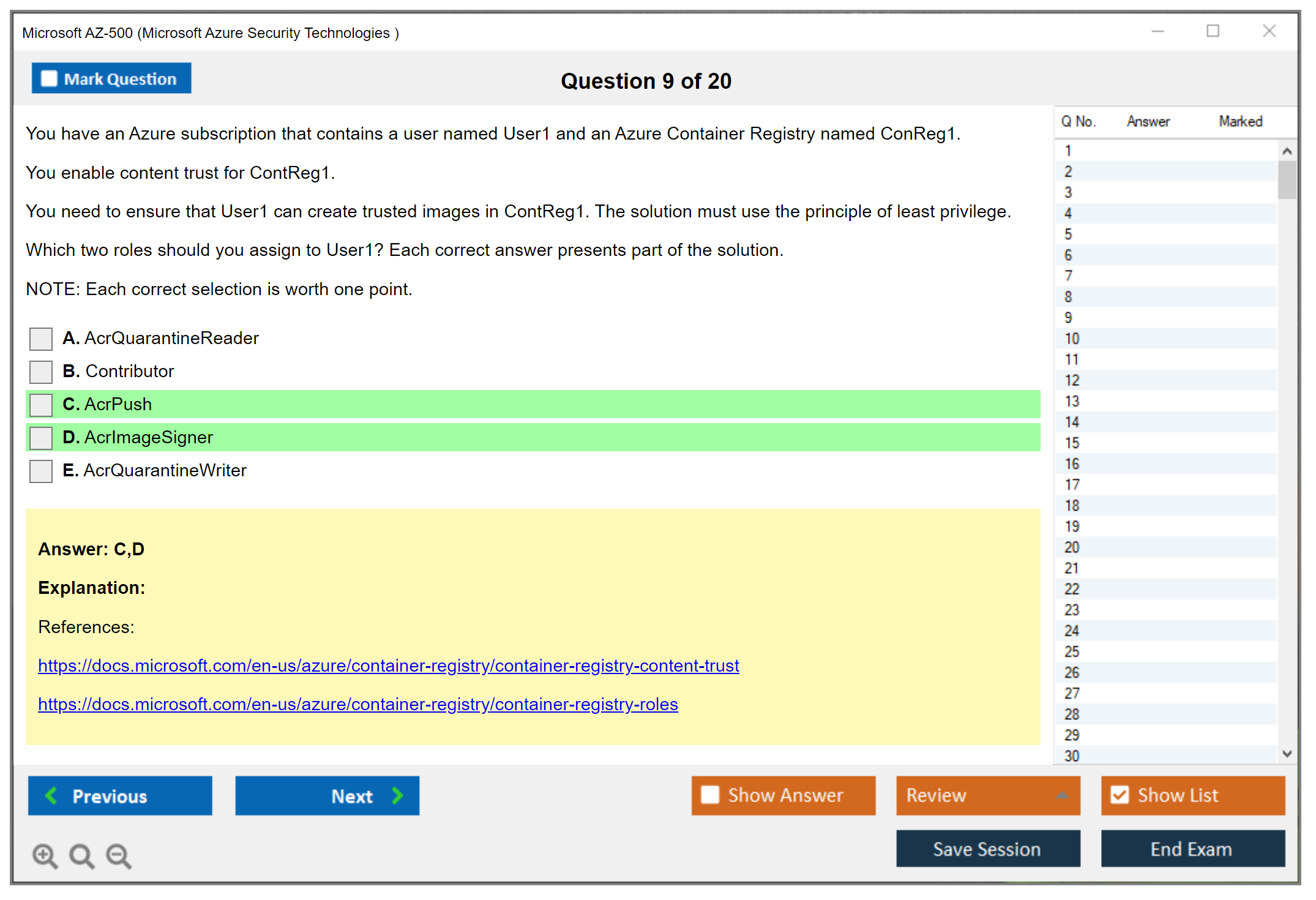
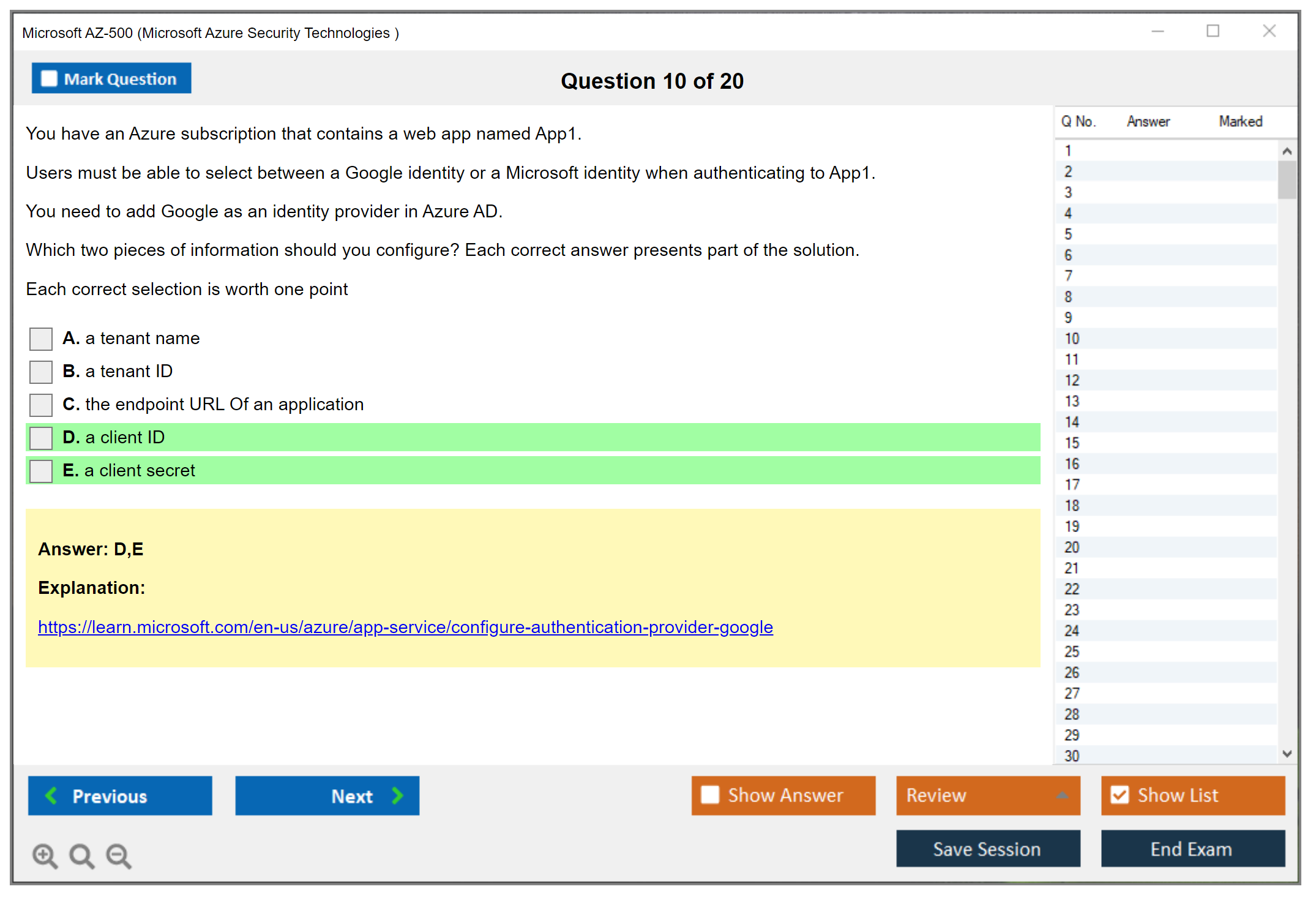
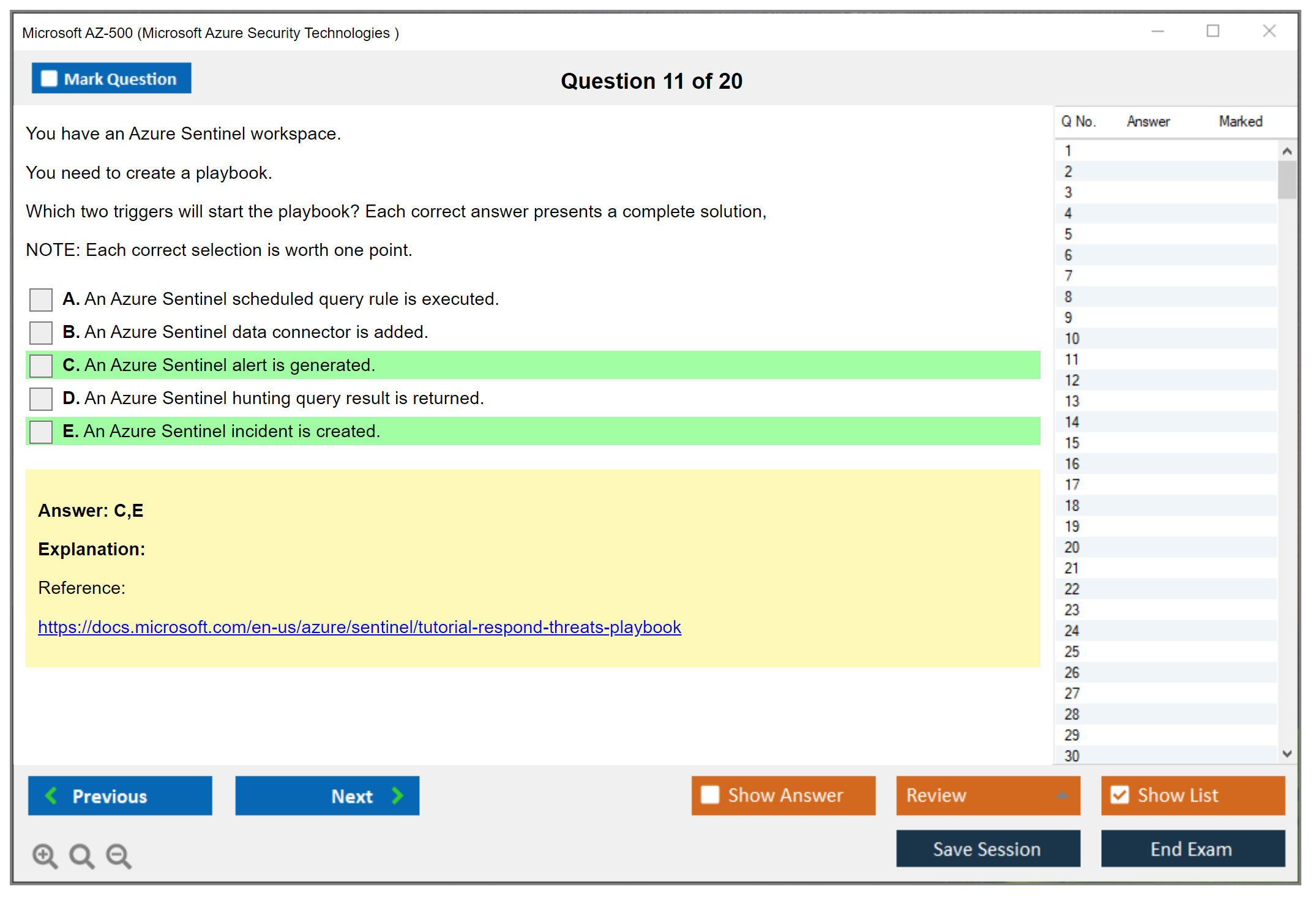
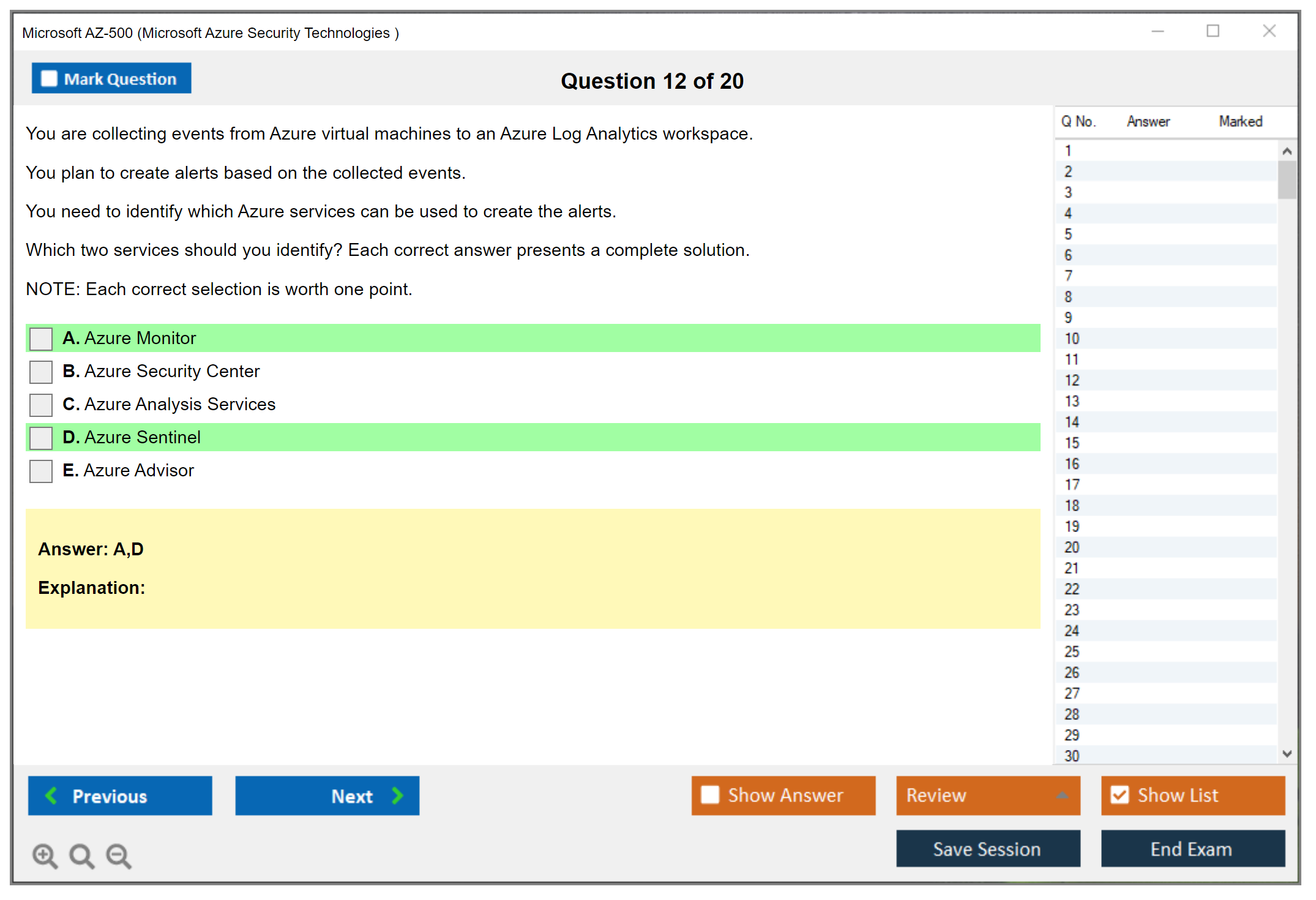
Microsoft AZ-500 (Microsoft Azure Security Technologies)
Microsoft AZ-500 Certification Overview (Azure Security Technologies)
What is the AZ-500 certification and why it matters in 2026
The Microsoft AZ-500 exam validates your ability to implement security controls and threat protection across Azure environments. Look, if you're working with cloud infrastructure in 2026, security isn't optional anymore. This certification proves you can actually manage identity and access, protect data and applications, and handle security operations in both cloud and hybrid setups using Azure Security Technologies.
The threat space keeps changing. Organizations are desperate for people who understand how to lock down Azure workloads. The AZ-500 certification shows you're not just familiar with security concepts but can actually implement them, which makes all the difference when you're under pressure during an incident. We're talking about configuring Microsoft Entra ID (yeah, they renamed Azure AD), setting up network security groups, managing Microsoft Defender for Cloud, and maintaining compliance frameworks that auditors actually care about.
What makes this cert valuable in 2026 is the shift toward Zero Trust architecture. Every organization's moving away from the old perimeter-based security model. The AZ-500 exam has changed to reflect this reality, putting weight on continuous verification, least privilege access, and assuming breach scenarios from the start.
Microsoft Certified: Azure Security Engineer Associate credential
Earning the Azure Security Engineer Associate credential puts you in a specialized category. Not gonna lie, this isn't a beginner certification. You're expected to have hands-on experience with Azure administration before you even think about tackling security implementation at this level.
The credential proves proficiency in securing Azure workloads across the entire stack: infrastructure, applications, and data. Real deal. You'll show knowledge of implementing enterprise-grade security controls that actually work in production environments, which means understanding how to configure security baselines, implement conditional access policies, manage privileged identities, and respond to security incidents using native Azure tools.
The value here's showing employers you can handle real security challenges. Organizations running critical workloads in Azure need someone who can implement proper segmentation, configure just-in-time VM access, and set up security monitoring that doesn't generate thousands of false positives. That's what this credential represents.
Target audience for AZ-500 certification
Security engineers are the obvious candidates. But you'll also find cloud security specialists pursuing this, along with Azure administrators who want to transition into security-focused roles. SOC analysts working with Azure environments benefit too, especially if they're tired of just monitoring and want to implement preventive controls.
IT professionals responsible for securing Azure environments need this certification. Maybe you're the person who gets called when there's a security incident, or you're designing the security architecture for cloud migrations. The AZ-500 skills apply directly to your daily work.
I've seen database administrators pursue this when their organizations moved SQL workloads to Azure and suddenly security became their problem. Network engineers transitioning to cloud roles find value here too, since network security in Azure works differently than traditional on-premises setups. My former colleague at a manufacturing company spent six months learning Azure security after their on-prem guy retired and they had nobody who understood cloud boundaries. He said the AZ-500 material finally made the shared responsibility model click for him, even though half the concepts still felt backwards compared to physical datacenter security.
Career value and industry recognition
AZ-500 certification holders command higher salaries, period. According to various salary surveys, having this credential can add $10,000-$20,000 to your base compensation, depending on your location and experience level. Employers recognize this as a specialized skillset that's harder to find than general Azure administration knowledge.
You qualify for specialized Azure security roles that wouldn't even consider candidates without this certification. Job postings for Azure Security Engineers, Cloud Security Architects, and Security Operations Engineers frequently list AZ-500 as a requirement, not just a preference. The market keeps getting more security-focused, and every data breach makes headlines, so organizations are finally investing in prevention rather than just insurance.
Showing commitment to cloud security best practices through certification proves you're serious about staying current with security technologies. If you're comparing candidates with similar experience, the one with AZ-500 gets the interview.
How AZ-500 fits in the Microsoft certification pathway
AZ-500 sits at the associate level, which means it's positioned between fundamentals and expert certifications. Most people start with AZ-900 (Microsoft Azure Fundamentals) to understand basic cloud concepts, then move to AZ-104 (Microsoft Azure Administrator) for general administration skills.
After AZ-500, you can pursue advanced security certifications like SC-100 (Microsoft Cybersecurity Architect) if you want to move into architecture roles. Or you might specialize further with certifications like SC-300 (Microsoft Identity and Access Administrator) if identity management becomes your focus.
The certification pathway isn't strictly linear though. Some people jump straight to AZ-500 if they already have security experience from on-premises environments, though I'd recommend getting at least some Azure fundamentals under your belt first. Others combine it with MS-500 (Microsoft 365 Security Administration) to cover both Azure and M365 security domains.
Real-world applications of AZ-500 skills
Implementing Microsoft Entra security features is probably the most common real-world application. You're setting up conditional access policies that actually make sense, not just blocking everyone or letting everyone in. Big difference there. Configuring multi-factor authentication, managing privileged identities with PIM, and implementing role-based access control that follows least privilege principles.
Network security configuration comes up constantly. You're creating network security groups, implementing Azure Firewall rules, setting up DDoS protection, and configuring private endpoints for PaaS services. The skills from AZ-500 help you design network segmentation that protects critical workloads without making everything so locked down that developers can't do their jobs.
Managing security operations with Microsoft Defender for Cloud means you're actually using the tool right. Not just looking at recommendations and ignoring them, but implementing security baselines, configuring continuous compliance assessment, and integrating security alerts into your incident response workflow. You'll work with Azure Policy to enforce security requirements across subscriptions and resource groups.
Securing Azure workloads involves everything from configuring encryption at rest and in transit to implementing proper key management with Azure Key Vault. You're protecting containers in Azure Kubernetes Service, securing serverless functions, and implementing application security groups. The certification makes sure you understand how different Azure services handle security and what configurations are actually necessary versus security theater.
Comparison with AZ-104 Azure Administrator
While AZ-104 covers broad Azure administration across compute, storage, networking, and identity, AZ-500 focuses specifically on security implementation and threat protection. Simple as that. AZ-104 teaches you how to create resources. AZ-500 teaches you how to secure them properly.
The identity management section in AZ-104 covers basic Azure AD concepts, but AZ-500 goes deep into conditional access, identity protection, privileged identity management, and Azure AD B2B/B2C scenarios. Network configuration in AZ-104's about connectivity. In AZ-500 it's about segmentation, protection, and monitoring.
AZ-104's broader but shallower on security topics. AZ-500 assumes you already know how to manage Azure resources and focuses entirely on the security aspects. Many people pursue both certifications since they complement each other. AZ-104 for general administration, AZ-500 for security specialization.
AZ-500 versus SC-900 Security Fundamentals
SC-900 is a fundamentals-level certification covering security concepts across Microsoft's entire portfolio: Azure, Microsoft 365, Dynamics, and more. It's conceptual and doesn't require hands-on technical skills. You could pass SC-900 by understanding what features exist and why they matter.
AZ-500 requires actual implementation skills specific to Azure security technologies. You need hands-on experience configuring security controls, not just knowing they exist. The exams test completely different skill levels. SC-900 might ask what Microsoft Defender for Cloud does, while AZ-500 asks you to configure specific security policies and interpret compliance dashboards.
If you're just starting in security, SC-900 makes sense as an entry point. But if you're responsible for actually securing Azure environments, you need AZ-500.
AZ-500 versus SC-200 Security Operations Analyst
SC-200 puts weight on security operations, threat hunting, and incident response using Microsoft Sentinel and Defender products. You're detecting threats, investigating incidents, and responding to security events. It's focused on the operational side, what happens when something goes wrong.
AZ-500 focuses on implementing security controls and architecture to prevent incidents in the first place. You're configuring preventive controls, implementing security baselines, and setting up proper access management. Sure, there's overlap in Microsoft Defender for Cloud, but SC-200 uses it for threat detection while AZ-500 uses it for security posture management.
Think of it this way: AZ-500 builds the fortress, SC-200 watches for attackers and responds when they breach the walls. Different skill sets, different job roles. SOC analysts lean toward SC-200. Security engineers lean toward AZ-500.
When to pursue AZ-500 versus other security certifications
Choose AZ-500 when your role involves implementing and managing security for Azure infrastructure, applications, and data. If you're designing security architecture, configuring security controls, or responsible for Azure security compliance, this is your certification.
Go with SC-300 if your job focuses specifically on identity and access management across Microsoft Entra ID. That certification goes deeper into identity scenarios but doesn't cover network security, data protection, or security operations.
Pick SC-200 if you work in a SOC and primarily deal with threat detection and incident response. AZ-500 won't teach you advanced threat hunting or how to build Sentinel queries.
For general cloud administration with some security responsibilities, AZ-104 might be sufficient. But if security's a primary job function, AZ-500 provides the depth you need.
Microsoft's vision for Azure security in 2026
Zero Trust architecture dominates Microsoft's security strategy. They're pushing hard on verifying every access request, implementing least privilege by default, and assuming breach scenarios in design. AZ-500 reflects this vision by putting weight on conditional access, identity protection, and continuous verification.
Cloud-native security tools keep improving. Microsoft Defender for Cloud now provides AI-powered recommendations that actually make sense, not just generic advice. The integration between different security services (Defender, Sentinel, Entra) creates a unified security platform that works better than individual point solutions.
AI-powered threat detection's becoming standard, not a premium feature. The certification covers how these tools work and how to configure them properly. You need to understand what the AI's doing and how to tune it for your environment.
How AZ-500 exam cost and logistics work
The Microsoft AZ-500 exam costs $165 USD, though prices vary by country. You schedule through Pearson VUE, either at a testing center or online proctored. The online option's convenient but requires a clean workspace and stable internet.
The passing score's 700 out of 1000 points. Microsoft uses scaled scoring, so you can't just calculate percentage correct. The exam includes 40-60 questions covering case studies, multiple choice, drag-and-drop, and scenario-based questions. You get 120 minutes for the exam itself, plus additional time for the tutorial and surveys.
If you fail, there's a waiting period before retaking. First retake's after 24 hours, second retake after 14 days. After that, you wait 14 days between attempts. Not gonna lie, the exam costs add up if you don't prepare properly the first time.
AZ-500 renewal requirements
The Azure Security Engineer Associate certification expires after one year. Yeah, only one year, not two or three like some other vendors. Microsoft wants you staying current with rapidly changing cloud security features.
Renewal happens through a free online assessment on Microsoft Learn. You take a shorter exam covering new features and updates added since you originally certified. It's open book, you can use documentation, and you get unlimited attempts. The renewal window opens six months before expiration.
Keeping skills current matters more than just passing the renewal. Azure security features change constantly. New Defender capabilities, updated Entra features, changes to security baselines. You need to stay on top of these updates regardless of certification requirements. Following the Azure updates blog and testing new features in a lab environment helps maintain practical skills beyond just passing assessments.
AZ-500 Exam Details and Requirements
Microsoft AZ-500 certification overview (Azure Security Technologies)
AZ-500 certification is the exam behind Microsoft Certified: Azure Security Engineer Associate, and look, it's what hiring managers actually notice when they need someone who can legitimately secure Azure workloads instead of just throwing around buzzwords like "Zero Trust" during standup meetings.
Who should take it? Azure admins pivoting into security roles. Security professionals who suddenly got voluntold to own cloud controls because, well, someone has to do it, and apparently that someone is you now. Anyone expected to build and troubleshoot Microsoft Entra security (Azure AD), network protections, Key Vault configurations, and Azure Defender / Microsoft Defender for Cloud settings without accidentally torching production at 3 AM on a Friday.
This isn't an entry exam. It's practical, honestly pretty opinionated about how things should work, and it expects you to understand why a particular setting matters, not just memorizing where Microsoft hid the toggle this time after the last portal redesign.
What is AZ-500 and who should take it?
The Microsoft AZ-500 exam focuses on applying security controls across identity, networking, compute, storage, and monitoring infrastructure. You're being tested on whether you can secure Azure like an actual working security engineer would: set policy without breaking everything, lock down access paths, protect secrets properly, detect suspicious patterns, and respond intelligently when things go sideways because someone misconfigured something somewhere.
You'll really enjoy AZ-500 if you like wrestling with questions like "Which control reduces blast radius without completely killing developer velocity?" and you're comfortable thinking through tradeoffs under real constraints. Legacy apps that refuse to die, hybrid identity nightmares, and compliance checklists that somehow never actually end no matter how many boxes you check.
AZ-500 vs other Azure security certifications (SC-900, SC-200, SC-300)
SC-900 is vocabulary. Concepts. Good for intros, I guess. SC-200 leans more SOC-focused with Microsoft Sentinel plus Defender XDR workflows, all that incident response stuff. SC-300 zeroes in on identity, heavy on Entra ID design and governance patterns.
Azure Security Technologies certification (AZ-500) is the broad one. The thing is, it touches identity, sure, but also network security architecture, data protection mechanisms, workload protection strategies, and the daily mechanics of securing Azure resources without losing your mind. If you're trying to prove you can own the full cloud security setup end-to-end, AZ-500 typically sends the stronger signal to employers who actually know what they're looking for.
Random aside: I've seen people collect all four certs thinking it'll quadruple their appeal, but honestly, employers care more about one solid cert paired with real troubleshooting stories from production incidents than a wall of badges.
AZ-500 exam details
AZ-500 exam cost (2026)
AZ-500 exam cost in 2026 sits at $165 USD as the standard exam fee. Microsoft lists pricing by country and region, so the actual number shifts based on local currency conversions, regional taxes, and whatever exchange rate chaos is happening that week. Same exam content. Different checkout total.
Discounts happen occasionally. The most common legitimate discounts come through Microsoft Learn Cloud Skills Challenge participation, and academic pricing via student programs or partner institutions that have arrangements with Microsoft.
Exam cost for retakes
Retakes cost identical amounts. Each retake attempt runs $165 USD again, which is exactly why I tell people to budget for two attempts upfront if their employer won't reimburse. The second try is where plenty of capable folks finally pass after they've seen the exam's particular style and question patterns.
There's also a mandatory waiting rule: after bombing an attempt, you must wait 24 hours minimum before retaking. After additional failures, wait times increase further. That's Microsoft's way of stopping brute-force testing strategies, and I mean, fair enough on their part.
Special pricing and discounts
Microsoft occasionally runs promotional campaigns. Sometimes you'll spot discounted exam initiatives. Sometimes you'll snag a free voucher from Virtual Training Days or a Microsoft Learn Cloud Skills Challenge event. Student pricing applies through academic programs too.
The annoying part? Timing. The practical part is checking Microsoft Learn events and challenges before paying full price, because a voucher can transform AZ-500 exam cost from "ugh, really?" to "fine, let's just do this thing."
AZ-500 passing score requirements
AZ-500 passing score is 700 on a bizarre 1 to 1000 scale. That number is definitely not a percentage. You don't "need 70% correct" in any straightforward sense. You need a scaled score reflecting the specific exam form you received and how the scoring model weights different question types and difficulty levels.
Two people can walk out feeling like they took completely different exams. They kinda did, actually.
Understanding scaled scoring
Microsoft uses psychometric analysis to keep the exam fair across versions and forms. Different versions can contain different questions with varying difficulty, and the scoring model normalizes that mathematically so a 700 represents the same competence level across all forms.
Not gonna lie, this is where people get really mad because they want simple transparency like "I got 42 right out of 60 questions." That's just not how Microsoft exams work anymore, if they ever did.
What happens if you score below 700
If you fail, you get a diagnostic score report showing your performance by major objective domain. It won't reveal exact questions you missed (because Microsoft guards those questions like nuclear codes), but it will show where you're weak, which is precisely what you should use to tune your AZ-500 study guide plan before paying for attempt number two.
Question types, exam format, and time limits
Expect 40 to 60 questions total. Formats vary wildly: multiple choice with one answer, multiple select where you pick several, drag-and-drop matching exercises, hot area selections, build list sequencing, and scenario-driven items embedded in case studies.
Time allocation is 120 minutes for actual exam content, plus roughly 30 minutes for administrative overhead like instructions, demographic questions, and that post-exam survey that always feels interminable when you're stressed and just want your score already.
Question types you'll encounter
You'll see single-answer multiple choice. Multiple-answer questions that mercilessly punish guessing. Hot area selections where you click the correct spot in a portal-like interface screenshot. Drag-and-drop matching between concepts and implementations. Build list exercises where order matters.
Case studies are the heavyweight challenge, though. They force you to read substantial context, filter signal from noise, and keep requirements straight across multiple related questions without second-guessing the entire security design every single time you scroll back to reread something you already processed.
Case study format and strategy
A case study presents a business scenario: multiple subscriptions, specific regions, existing identity setup, regulatory constraints, current tooling, and what's currently broken or at risk. Then you answer several interconnected questions tied to that same scenario without losing track of what matters.
Strategy tip? Read requirements first. Then constraints. Then existing state. Don't waste energy memorizing random facts, just apply appropriate controls to solve problems. If a requirement explicitly says "must be able to investigate alerts centrally across subscriptions," your brain should immediately jump to Defender for Cloud and possibly Sentinel concepts, not "let's just add another NSG somewhere and hope."
Time management strategies
Plan for roughly 2 minutes per question as a baseline. Mark the ones eating excessive time and move on without spiraling. Case studies become brutal time traps because you can really spend 12 minutes rereading the same paragraph hunting for a detail you actually already saw.
Reserve 15 to 20 minutes at the end for review passes. Some questions become obvious later after you've seen how Microsoft frames similar problems elsewhere in the exam.
Exam delivery options
You can take it at a Pearson VUE test center or do online proctoring from home or office. Both options are fully proctored. Both are strict about rules. Pick your poison based on environment.
Online proctoring requirements
You need reliable internet, functioning webcam, working microphone, a quiet private space, and a government-issued ID that matches your registration exactly. Your desk must be completely clean. No notes anywhere. No extra monitors connected. No "my phone is face down but it's fine" situations. It's not fine, they'll flag it.
Also, your machine must pass the system test beforehand. Do that the day before your exam. Not five minutes before when you're already nervous.
Test center versus online proctoring
Test centers are boring, controlled, sterile environments where you don't worry about your Wi-Fi dropping mid-case-study or your neighbor's dog losing its mind at a delivery truck. Online proctoring offers convenience and scheduling flexibility, but it adds stress layers because any noise, background movement, or technical glitch can escalate into a problem that derails your focus.
If you live with roommates, kids, barking dogs, or unpredictable construction noise outside, I mean, honestly just go to the test center and save yourself the anxiety.
AZ-500 difficulty (what makes it challenging)
AZ-500 is challenging because it assumes hands-on experience working with real Azure environments under real constraints. You need to know security best practices obviously, but also how Azure actually behaves when you combine policies, role assignments, network controls, and logging configurations in ways that real production environments demand.
Troubleshooting matters here. Integration patterns matter. Knowing what breaks when you enable Conditional Access or force private endpoints matters considerably. The exam loves "what would you do" questions where multiple answers sound decent on first read but only one actually meets all stated constraints without introducing new problems.
AZ-500 difficulty compared to AZ-104
Is AZ-500 harder than AZ-104? Generally yes, definitely. AZ-104 covers broad admin work across Azure services. AZ-500 goes deeper into security thinking, threat modeling, and specialized tools. It expects you to think like an attacker sometimes, then fix the design like an engineer, and then prove compliance like an auditor would, all while staying inside Azure-native services instead of bringing in third-party solutions.
Common difficulty areas
The spots that hit people hardest: advanced Entra ID features like Conditional Access policies and Privileged Identity Management workflows, Azure network security that goes way beyond "just add an NSG and call it done," Key Vault advanced scenarios involving access policies versus RBAC models plus rotation patterns, and Microsoft Defender for Cloud configurations that require knowing what plan covers what workload types and what recommendation actually changes risk posture versus just making noise.
Other topics appear too. Policy, locks, RBAC scoping, logging paths. But those four are the repeat offenders that keep tripping people up.
Technical depth required
You need more than basic configuration knowledge. You need the why behind decisions. Security implications, threat mitigation strategies, compliance requirements, and how services integrate when you turn on the "secure" option and suddenly your app can't reach storage because you forgot DNS configuration for a private endpoint.
Scenario-based thinking
The exam rewards solution selection, not trivia memorization. If you study by memorizing feature lists from documentation, you'll suffer. If you study by building small labs and intentionally breaking them to understand failure modes, you'll do considerably better.
Exam language options and accommodations
Language options include English, Japanese, Chinese (Simplified), Korean, German, French, Spanish, Portuguese (Brazil), Russian, Arabic (Saudi Arabia), Chinese (Traditional), and Italian.
Accommodations are available for disabilities or special needs through the registration process, with appropriate documentation. Do it early. Don't wait until the week of the exam and hope it magically works out through last-minute requests.
AZ-500 prerequisites and recommended experience
No hard prerequisites exist technically, but the soft ones are absolutely real: comfort with Azure subscriptions, resource groups, RBAC fundamentals, networking basics, and log analysis. You should understand identity concepts beyond surface level, encryption basics beyond "it's encrypted," and how cloud services differ from on-premises assumptions that don't translate.
Helpful certs before tackling this, if you want a smoother ramp: AZ-104 for Azure fundamentals in actual practice, SC-300 if identity is your weak spot, or even SC-900 if you're brand new and need the vocabulary foundation.
AZ-500 exam objectives (skills measured)
Microsoft publishes AZ-500 exam objectives and updates them periodically, so always verify you're studying the current version that matches your exam date. The exam changes as Azure changes, and Azure changes constantly. This really matters for success.
High level domains include:
- manage identity and access in Microsoft Entra ID
- implement platform protection
- secure data and applications
- manage security operations (Defender for Cloud, plus Sentinel concepts)
I'll explain two domains because they drive most real-world work.
Identity and access is where Conditional Access, PIM, role assignments, and governance live, and if you misunderstand scope or privilege elevation mechanisms you can either lock out admins accidentally or leave standing access that attackers absolutely love finding. Platform protection is where network controls, workload hardening, and policy enforcement come together, and the questions tend to force you to choose the control that meets requirements without unnecessarily overexposing services to the public internet.
The other domains matter too, obviously. Data protection shows up with Key Vault scenarios, storage security configurations, encryption options, and access patterns. Security operations is your Defender for Cloud setup, alerting configuration, recommendations interpretation, and what you actually do with signals beyond just acknowledging them.
Best AZ-500 study materials
Microsoft Learn learning paths are the baseline starting point, and they map pretty closely to the objectives list. Official docs and Azure security baselines fill the gaps where Learn is a little too friendly and not specific enough about real behavior.
Instructor-led training and video courses help if you need structure and pacing, but hands-on labs are what make the actual difference between passing and failing. Portal work, CLI commands, and Infrastructure as Code all show up indirectly because the exam assumes you understand how changes are made and what they affect downstream.
AZ-500 practice tests and exam prep strategy
A good AZ-500 practice test is one that explains why the right answer is right and why the wrong ones fail specific requirements. Avoid brain dumps religiously. They'll get you a score potentially, sure, and then you'll freeze completely when the real exam asks the same concept wrapped in a different story with different constraints.
Study plan depends heavily on background. If you're experienced in Azure security already, 2 to 4 weeks of focused review plus labs is realistic. If you're newer to cloud security, give it 6 to 10 weeks and actually build things: Conditional Access policies that don't lock everyone out, PIM role activation workflows, Key Vault with private endpoints configured properly, Defender for Cloud plans across subscription types, and diagnostic settings that send logs where they actually need to go.
Common mistakes? Ignoring the official objectives list entirely. Skipping hands-on labs. Not reading constraints carefully in case studies. Another big one is treating "best practice" as the automatic answer even when the scenario explicitly says "must keep legacy auth for six months" or "cannot modify the application code." The exam really loves constraints that force tradeoff decisions.
How to register and take the AZ-500 exam
Scheduling happens through Pearson VUE from the Microsoft certification page. Pick your delivery method, pick a date that works, pay the fee, and confirm your ID matches exactly across all systems.
Retake policy basics matter for planning ahead. If you fail, you wait at least 24 hours minimum, then you can pay again and reschedule, but don't rage-book the next day unless you know exactly what went wrong and you've actually patched that knowledge gap.
AZ-500 certification renewal
AZ-500 renewal is tied to your role-based certification lifecycle model. Microsoft typically uses an online renewal assessment you complete before expiration, and it's free, open-book style, and focused on what changed since you originally certified.
Renewal is where staying current pays off. Defender for Cloud changes features. Entra capabilities shift. New policy effects appear quarterly. If you keep up with release notes and occasionally revisit the skills measured document, renewal becomes a quick task instead of a panic week of relearning everything.
AZ-500 FAQs
How much does the AZ-500 exam cost?
Standard pricing is $165 USD in 2026, with regional variation and occasional discounts or vouchers through events.
What is the passing score for AZ-500?
700 on a 1 to 1000 scaled score model.
Is AZ-500 harder than AZ-104?
Usually yes, because it expects deeper security knowledge and more scenario-based decision making under constraints.
What are the AZ-500 exam objectives and skills measured?
Identity and access management, platform protection, data and application security, and security operations including Microsoft Defender for Cloud and Sentinel concepts. Always confirm the current objectives on the official Microsoft page before starting your study plan.
How do I renew the Azure Security Engineer Associate certification?
Complete the online renewal assessment before expiration in Microsoft Learn. Keep an eye on your certification dashboard so the deadline doesn't sneak up on you during a busy project cycle.
AZ-500 Prerequisites and Recommended Experience
What Microsoft actually says about prerequisites
Look, Microsoft doesn't lock you out of scheduling the AZ-500 exam if you haven't taken anything else. There's no formal prerequisite that'll stop you from clicking that registration button. But here's what they do recommend, and honestly you should probably listen: at least one year of hands-on experience securing Azure workloads, plus some solid experience with Azure administration in general. Not just reading about it. Actually doing it.
I mean, that recommendation exists for a reason. The exam isn't just testing whether you memorized what Azure Firewall does. It's testing whether you can make smart security decisions when someone drops a real-world scenario in your lap and asks you to fix it.
Why skipping prerequisites usually backfires
Here's the thing about jumping into AZ-500 without proper Azure experience. The exam is loaded with scenario-based questions that assume you already understand how Azure works at a basic level. When a question asks you to secure a multi-tier application that uses Azure SQL Database, App Service, and Key Vault, you're gonna struggle if you're still figuring out what those services even do.
Candidates who try to speedrun this without adequate background knowledge often fail. Hard.
They can memorize security features all day long, but when the exam presents a complex implementation scenario requiring you to balance security requirements with business needs, you need that real-world context. You need to have actually configured network security groups, dealt with identity management headaches, and troubleshot access issues at 2 AM because someone locked themselves out of production.
Azure fundamentals you absolutely need
Before you even think about security-specific features, you better be comfortable working through Azure. I'm talking about understanding how subscriptions work and how they relate to resource groups. Understanding Azure Resource Manager and how resource deployment actually happens. Being able to move around the Azure portal without getting lost. Ideally you've spent some time with Azure CLI or PowerShell for command-line operations.
This stuff sounds basic.
It is basic.
But you'd be surprised how many people try to learn Azure security without understanding the platform's core architecture. That's like trying to learn advanced driving techniques when you're still figuring out how to use the clutch.
Core services that'll come up constantly
The exam assumes you know what virtual machines are and how they work in Azure, including how they connect to virtual networks and storage accounts. You should understand Azure App Service for hosting web applications. Have at least basic familiarity with Azure SQL Database. Identity concepts are absolutely critical because they underpin everything else in security, even just the basics of how authentication works in Azure.
These aren't security-specific services, but they're the building blocks you'll be securing throughout the entire exam. If you're constantly pausing to figure out what a service does before you can even think about securing it, you're gonna run out of time and mental energy real fast.
Networking basics matter more than you think
You don't need to be a networking expert, but TCP/IP basics are non-negotiable. DNS, VPN concepts, how firewalls work in principle, network segmentation strategies. This stuff comes up constantly in Azure security scenarios. Understanding the OSI model helps too, especially when you're dealing with network security groups and Azure Firewall rules that operate at different layers.
Not gonna lie, I've seen people struggle with AZ-500 primarily because their networking knowledge was weak. Azure network security makes a lot more sense when you understand traditional networking concepts and how they translate to the cloud.
Identity and access management foundation
You need to understand the difference between authentication and authorization before you start configuring Microsoft Entra ID (formerly Azure AD) security features. Basic Active Directory concepts help, even though cloud identity works differently. Modern authentication protocols like OAuth 2.0, SAML, and OpenID Connect show up everywhere in Azure security, so at least understanding what they do matters.
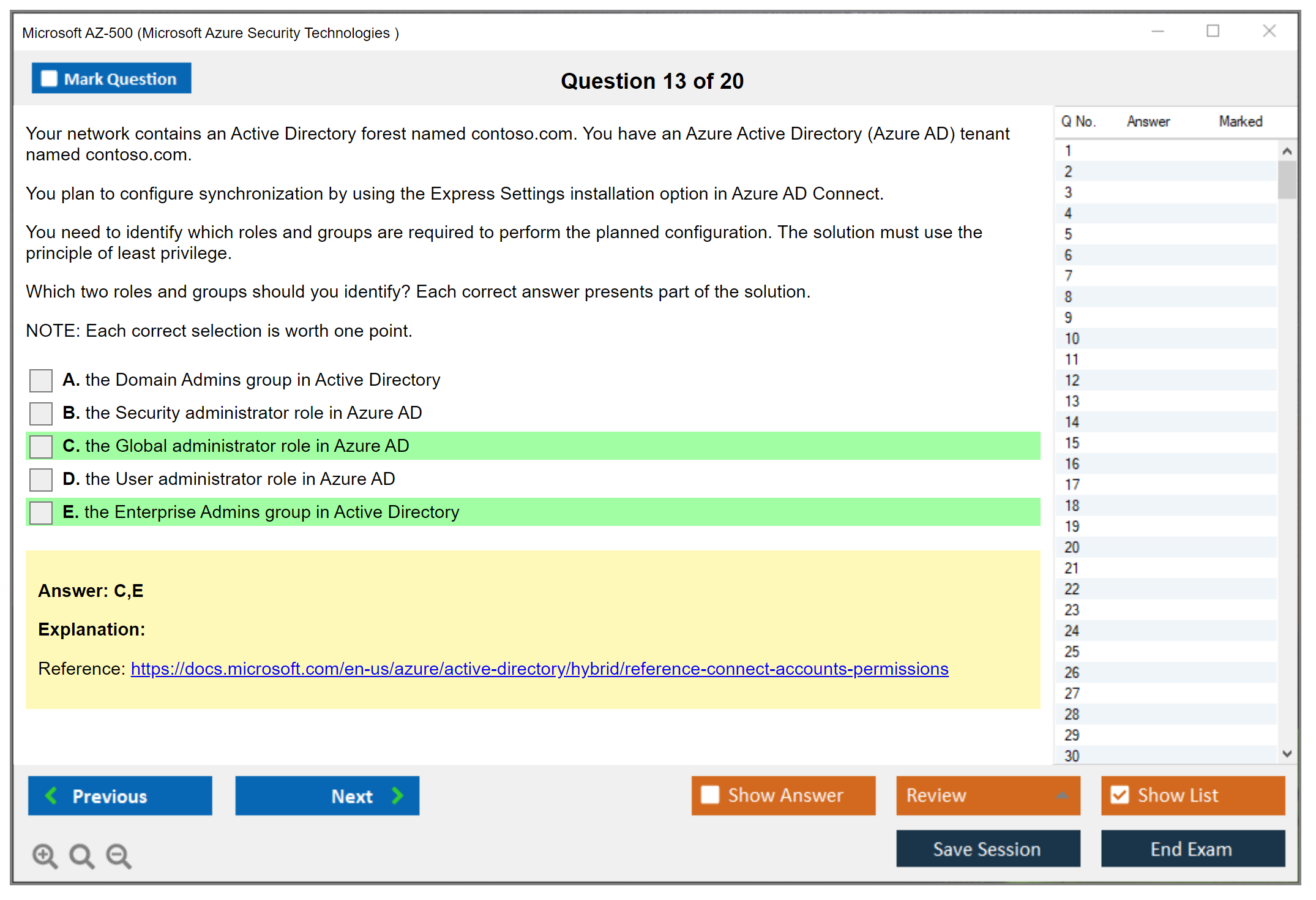
Role-based access control is central to Azure security, and if you don't grasp how RBAC works at a conceptual level, you'll be lost when exam questions ask you to implement least privilege access across complex scenarios.
Security concepts worth knowing beforehand
The CIA triad (Confidentiality, Integrity, Availability) sounds like Security 101, but understanding how these principles apply to cloud architecture is key. Defense in depth isn't just a buzzword. It's how you should be thinking about every security implementation in Azure. Least privilege principle guides almost every access decision you'll make. Zero Trust model is increasingly central to Microsoft's security approach, and you'll see it referenced throughout the exam.
Common security threats and vulnerabilities should be familiar territory. The exam doesn't expect you to be a penetration tester, but you should understand what you're defending against and why certain security controls matter.
Compliance and governance basics
You don't need to memorize every compliance framework, but familiarity with major ones like ISO 27001, GDPR, HIPAA, and PCI DSS helps you understand why certain security requirements exist. Understanding how cloud services help address regulatory requirements (through features like data residency controls, audit logging, and compliance certifications) gives context to many exam scenarios.
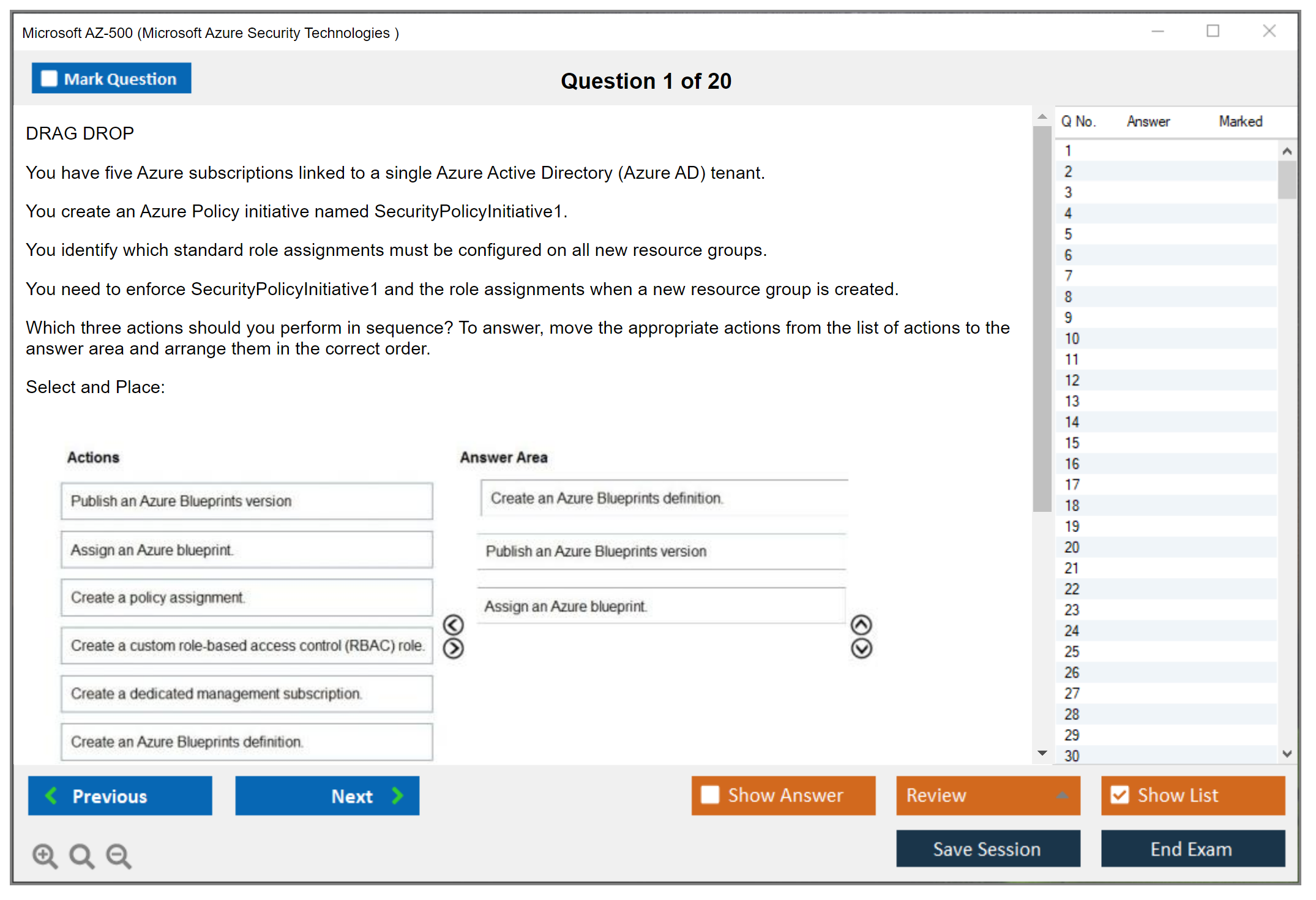
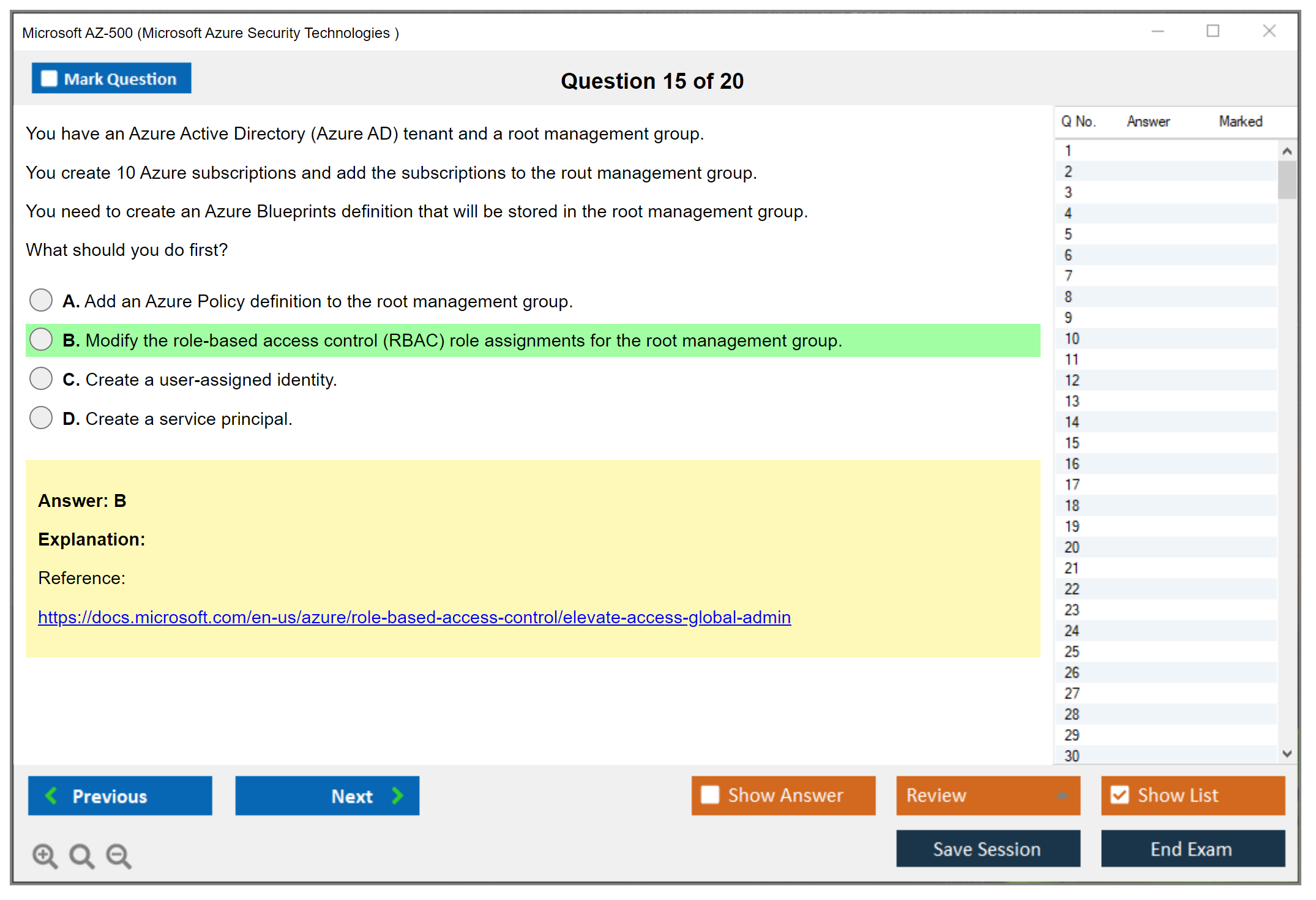
This knowledge particularly helps with questions about Azure Policy, Azure Blueprints, and compliance management in Microsoft Defender for Cloud.
Scripting skills that'll make your life easier
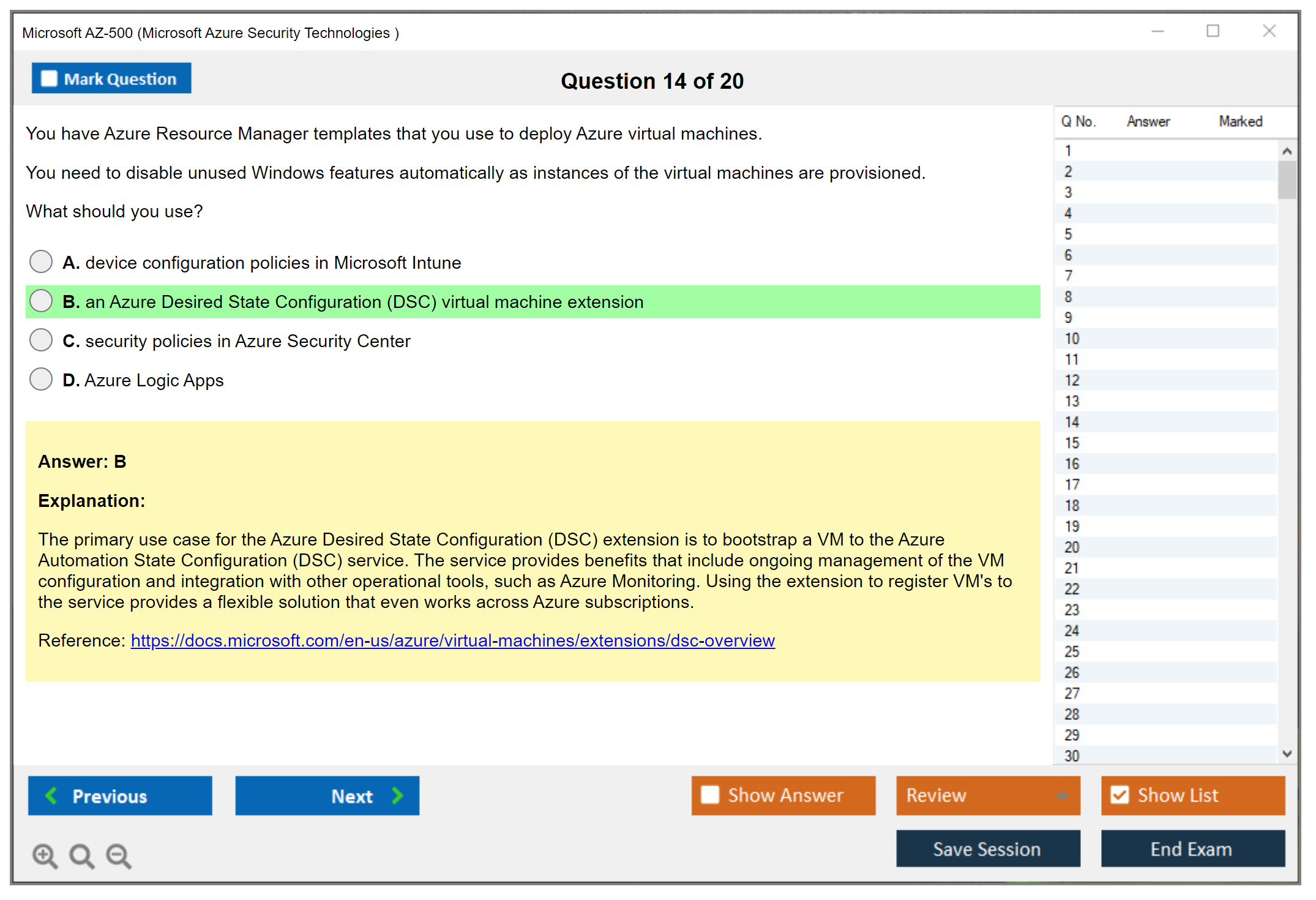
The exam isn't a programming test, but honestly, familiarity with PowerShell or Azure CLI makes everything easier. Many implementation scenarios are faster to understand if you've actually scripted resource deployments before. Infrastructure as Code tools like ARM templates, Bicep, or Terraform aren't required knowledge, but they show up in exam scenarios around secure deployment practices.
If you've never written a script to deploy Azure resources, you're missing context that makes certain questions trickier than they need to be.
Should you take AZ-900 first
Azure Fundamentals (AZ-900) is really helpful if you're completely new to Azure. It covers the basics of cloud concepts, core Azure services, security and compliance information, and pricing. It's not required, and if you've been working with Azure for a while, you can probably skip it. But for someone transitioning from on-premises infrastructure or another cloud platform, AZ-900 provides solid starting knowledge without requiring you to dive deep into implementation details.
The AZ-104 question everyone asks
Is AZ-104 required before AZ-500?
No.
Should you probably take it anyway? Yeah, honestly.
AZ-104 (Microsoft Azure Administrator) covers Azure administration details that create an excellent foundation for security-focused learning. Understanding resource management, networking basics, storage configuration, and compute services from the administrator perspective makes security implementation make way more sense. You'll understand not just what security controls to apply, but how they interact with the broader Azure environment.
The AZ-104 exam teaches you how Azure actually works in practice, which is exactly the context you need before diving into security specifics.
Why AZ-104 knowledge helps with AZ-500
When you've studied for or taken AZ-104, you understand how to configure virtual networks, which makes network security groups and Azure Firewall easier to grasp. You know how storage accounts work, which helps when you're securing data at rest and in transit. You understand identity management basics. This provides the foundation for more advanced Entra ID security features.
Many AZ-500 candidates who took AZ-104 first report that security concepts clicked faster because they already understood the underlying services being secured.
Alternative path for experienced admins
If you've been administering Azure environments for a year or more, you might not need AZ-104 certification. Your hands-on experience probably covers what the certification teaches. You can jump straight to AZ-500 if you're comfortable with core Azure services, understand how to deploy and manage resources, and have dealt with identity and access management in production environments.
Just be honest with yourself about your knowledge gaps. It's better to fill them systematically than to discover them halfway through your AZ-500 practice test prep.
Hands-on experience that actually prepares you
Microsoft's recommendation for hands-on experience isn't arbitrary. Implementing security controls in real environments teaches you things documentation can't. Configuring Microsoft Entra ID for actual users. Managing Azure network security for production workloads. Working with security monitoring tools when alerts fire. This experience builds intuition that helps with scenario-based exam questions.
Responding to security incidents, implementing compliance requirements, configuring identity solutions, and hardening Azure workloads all provide context that makes exam scenarios feel familiar rather than abstract.
Building a lab environment without breaking the bank
You don't need to spend hundreds on lab resources. Create a personal Azure subscription and stick with free tier resources whenever possible. The Azure free trial gives you credits to experiment with paid services. Microsoft Learn sandbox environments let you practice specific scenarios without using your own subscription at all.
The key is hands-on practice, not fancy infrastructure. Deploy resources, configure security settings, break things, fix them. That's how you learn.
Time investment for building prerequisites
If you're starting from scratch with Azure, allocate at least 2-3 months for baseline knowledge before focusing on AZ-500 content. This might mean studying for AZ-900 or AZ-104 first, or it might mean self-directed learning through Microsoft Learn paths and hands-on experimentation. Rushing through prerequisites to get to the "real" exam faster usually backfires when you hit knowledge gaps during AZ-500 prep.
Self-assessment before committing
Check Microsoft's skills measured document for AZ-500 and honestly evaluate your knowledge. Can you work through the Azure portal confidently? Can you create and configure basic resources without constantly checking documentation? Do you understand identity concepts and how authentication works? Are security principles familiar territory?
If you're answering no to most of these, you need prerequisite work before AZ-500 makes sense.
Bridging knowledge gaps efficiently
Identify weak areas and target them specifically. Use Microsoft Learn modules for unfamiliar services. Build hands-on labs for concepts that seem abstract. Watch implementation videos for services you haven't used. The goal isn't becoming an expert in everything. It's building enough foundation that security-focused learning makes sense.
Supplement your study with targeted practice using resources like the AZ-500 Practice Exam Questions Pack to identify gaps you didn't know existed. Sometimes you don't realize what you don't know until you see it tested in context. Kind of like how I once spent three hours troubleshooting a firewall rule that was working perfectly fine, only to discover the actual problem was a typo in a connection string two layers up. But I digress.
Similar to how DP-300 requires database know-how or AZ-800 assumes Windows Server knowledge, AZ-500 builds on Azure administration basics. Respect those prerequisites, and your certification path gets a whole lot smoother.
AZ-500 Exam Objectives and Skills Measured
Microsoft AZ-500 certification overview (Azure Security Technologies)
The AZ-500 certification is the exam for the Microsoft Certified: Azure Security Engineer Associate badge, and honestly, it's aimed at people who actually have to secure Azure day to day, not just talk about it in meetings. Cloud engineers who got voluntold into security. Security folks who now own subscriptions. That crowd.
Look, AZ-500 is very "do the work" focused. You're expected to know where settings live, what breaks when you flip them, and how identity, network controls, and workload protections fit together when you're trying to keep real systems alive. Not theory, not vibes, just screens, policies, logs, and tradeoffs, plus a bunch of "which option is the least bad" questions that feel like production.
What is AZ-500 and who should take it?
Security engineer. Cloud admin. DevOps with security duties. Anyone responsible for secure Azure workloads across identity, networking, compute, storage, and databases.
If you've already done things like Conditional Access, NSGs, Key Vault access control, Defender for Cloud recommendations, or AKS hardening, this exam's basically asking you to formalize what you've been doing and fill in the gaps. If you've never touched Azure, honestly, it's gonna feel like learning a new language while taking a driving test.
AZ-500 vs other Azure security certifications (SC-900, SC-200, SC-300)
SC-900 is fundamentals. Light. Vocabulary.
SC-200 is more SOC and incident work, detection and response, Microsoft Sentinel and Defender XDR land.
SC-300 is identity focused. Deep into Entra ID.
The Microsoft AZ-500 exam is broader across Azure controls, where identity's huge, networking's huge, and then you're securing services like Storage, SQL, VMs, and containers while also knowing your way around Azure Defender / Microsoft Defender for Cloud.
AZ-500 exam details
AZ-500 exam cost
People ask this constantly: How much does the AZ-500 exam cost? It depends on your country and currency, but in the US it's typically around USD $165 before taxes. Employers often cover it, and student discounts exist, so check your Microsoft Certification profile and the official exam page.
AZ-500 passing score
What is the passing score for AZ-500? Microsoft exams generally use a scaled score, and for AZ-500 the passing mark's commonly 700 out of 1000. It's not "70% correct" because weighting, question mix, and scoring models matter. Annoying, but that's the reality.
Question types, exam format, and time limits
Expect multiple choice, case studies, drag and drop, and those "choose all that apply" ones that punish sloppy reading. Sometimes you'll get a scenario where you're basically building a solution across several questions. Time's usually tight if you second-guess everything. And you will.
AZ-500 difficulty (what makes it challenging)
Is AZ-500 harder than AZ-104? For a lot of people, yes, because AZ-104's broad admin, while the Azure security engineer exam expects you to understand failure modes and security consequences: identity risk signals, NSG effective rules, Private Link DNS, Key Vault permission models, Defender plans, AKS controls. It's a lot.
Short questions. Mean options. Tricky wording.
AZ-500 prerequisites and recommended experience
Recommended Azure and security knowledge
You don't need to be a pentester, you do need to be comfortable with Azure basics: subscriptions vs resource groups, VNets/subnets, RBAC, Azure Policy, and how identity ties into everything. Also, basic security concepts like least privilege, segmentation, encryption at rest vs in transit, and audit logging.
Hands-on matters. A ton.
Helpful certifications before AZ-500 (optional)
AZ-104 helps. SC-900 helps for terminology. SC-300 helps if identity's your weak spot. None are required, but they reduce the amount of "what is this service" panic.
AZ-500 exam objectives and skills measured
This is the part most people skip and then regret. Microsoft publishes a "skills measured" document for each exam, and AZ-500 exam objectives are basically your study contract with the test writers.
Understanding the skills measured document
Microsoft's skills measured document lists the domains, their percentage weight, and the specific tasks you're expected to be able to do. That doc's your primary roadmap, not some random AZ-500 study guide blog post (mine included, I mean it). If a topic isn't on the list, don't spend three nights on it. If it is on the list, assume it can show up in a weird scenario and you'll have to pick the "Microsoft-approved" answer, even if you've seen a different approach work in real life.
I once spent a whole weekend learning about Azure Blueprints because I thought it sounded cool and it kept showing up in security architecture whitepapers. Turned out it barely touched the exam at all. Meanwhile I skimmed Conditional Access policy inheritance and got hammered with four questions about admin unit scoping. So yeah, stick to the list.
Exam objective updates and version control
Microsoft updates exam content periodically. Services change names, features move, portals get reorganized, and sometimes the exam shifts emphasis. Always download the latest skills measured PDF from the official AZ-500 page before you start studying, and again a week before you sit. Version control matters here because your notes from last year might be quietly wrong, and nothing's more frustrating than studying the wrong thing really thoroughly.
How exam domains are weighted in 2026
The four major domains are weighted, and those percentages should shape your study time. Not equally. Not "what you like".
As of current guidance, you'll see something like:
- manage identity and access: 30-35%
- secure networking: 20-25%
- secure compute, storage, and databases: 20-25%
- manage security operations: 15-20% (varies by update)
The exact numbers can shift, so check the latest AZ-500 exam objectives document, but the message's consistent: identity's the biggest chunk, then networking and workload security, then ops.
Domain 1: Manage identity and access (30-35% of exam)
Identity's where AZ-500 tries to catch you, especially anything tied to Microsoft Entra security (Azure AD), tenant concepts, role scoping, risk policies, app identities, and the difference between "can sign in" and "should sign in."
Microsoft Entra ID (formerly Azure AD) fundamentals
You need the mental model: tenants, subscriptions, users, groups, administrative units, and how directory roles differ from Azure RBAC roles. A tenant can contain many subscriptions. A subscription's not an identity boundary. Groups can be used for role assignment. Administrative units can scope management for parts of the directory.
Small stuff. Still tested.
Configuring secure user authentication
MFA's table stakes. So's SSPR. You're expected to understand authentication methods, including passwordless options like Microsoft Authenticator, FIDO2 keys, and Windows Hello for Business, plus how password protection policies reduce dumb passwords and spray attacks.
One short line here. MFA everywhere.
But the exam also cares about the operational side, like how SSPR's configured, what authentication methods are allowed, and what happens when users are hybrid synced, because in real orgs you're not starting from a clean Entra-only tenant with perfect policy hygiene, you're inheriting chaos and trying to make it safer without breaking payroll logins on Monday morning.
Microsoft Entra Conditional Access
Conditional Access is one of the highest value skills on the test. Policies based on user, location, device, application, and risk signals, then enforce controls like MFA, compliant device, or blocking access. The questions love edge cases: "Admins should always MFA", "break glass accounts excluded", "require compliant device for Exchange Online but not for service accounts", stuff like that.
Conditional Access policy components
Know the building blocks: assignments (users/groups, cloud apps, conditions like location and device platform) and access controls (grant and session). Session controls matter more than people expect, like "sign-in frequency" and "persistent browser session" choices that can reduce token abuse but also annoy everyone.
Microsoft Entra Identity Protection
Identity Protection's risk-based. Configure policies for sign-in risk and user risk. Investigate risky users and risky sign-ins. Remediate by forcing password reset, requiring MFA, or blocking access.
Risky sign-in. Risky user. Different.
Risk detection types
You should recognize detections like anonymous IP, atypical travel, malware-linked IP, unfamiliar sign-in properties, and leaked credentials. Not gonna lie, Microsoft loves asking which control to apply when the risk signal's high vs medium, and whether Identity Protection can auto-remediate or just report, depending on licensing and configuration.
Microsoft Entra Privileged Identity Management (PIM)
PIM's just-in-time access: eligible vs active assignments, approval workflows, access reviews, audit history, role activation with MFA and justification. Time-bound privileged access is the theme.
Also, PIM's not a magic wand, you still need to pick the right roles and scope them correctly.
PIM for Azure resources
This is where directory roles vs Azure roles matters. PIM can manage Azure RBAC roles at subscription or resource group scope, so you can make someone eligible for Owner on a subscription but only activate it for two hours with approval. That's the kind of control real security teams want, and the exam wants you to know it exists and how it's applied.
Access reviews and lifecycle management
Access reviews show up as "how do we make sure people don't keep access forever". Reviews for groups, enterprise apps, and Azure roles, owners review, automatic removal, recurring cadence.
Boring. Necessary.
Managing application access
App registrations, permissions, consent, service principals. Understand the difference between the app object and the service principal in a tenant. Know when you'd use App Proxy for on-prem apps. Also know that app permissions can be delegated vs application permissions, and consent can be user or admin depending on settings.
Enterprise applications and SSO
SAML-based SSO, password-based SSO, linked SSO. You don't have to be an SSO wizard, but you should know which one's actually federated vs just storing creds, and what you'd choose for a SaaS app when the security requirement's centralized access control and Conditional Access enforcement.
Managed identities for Azure resources
System-assigned vs user-assigned managed identities. This is a favorite because it removes credential management. VM needs to access Key Vault. Function app needs Storage. Use managed identity, grant it RBAC, move on. The exam'll try to bait you into using app secrets.
Microsoft Entra Domain Services and hybrid identity scenarios
Know when Entra Domain Services makes sense (legacy LDAP/Kerberos needs without managing DCs), and how secure LDAP fits. Hybrid identity includes Entra Connect, password hash sync, pass-through authentication, and federation. The key's understanding what each option implies for sign-in flow and what breaks when on-prem's down.
Domain 2: Secure networking (20-25% of exam)
Networking questions often feel "simple" until you hit effective rules, DNS, or asymmetric routing. Then it gets spicy.
Azure Virtual Network security
NSGs, ASGs, service tags. Understand where NSGs can be applied (subnet vs NIC) and how service tags simplify rules for Azure services.
NSG rule evaluation and priority
Priorities matter. Lower number wins. Default rules exist. Inbound and outbound are evaluated separately. Effective security rules are what you check when reality doesn't match your spreadsheet, and yes, the exam expects you to know that troubleshooting step.
Azure Firewall implementation and Premium features
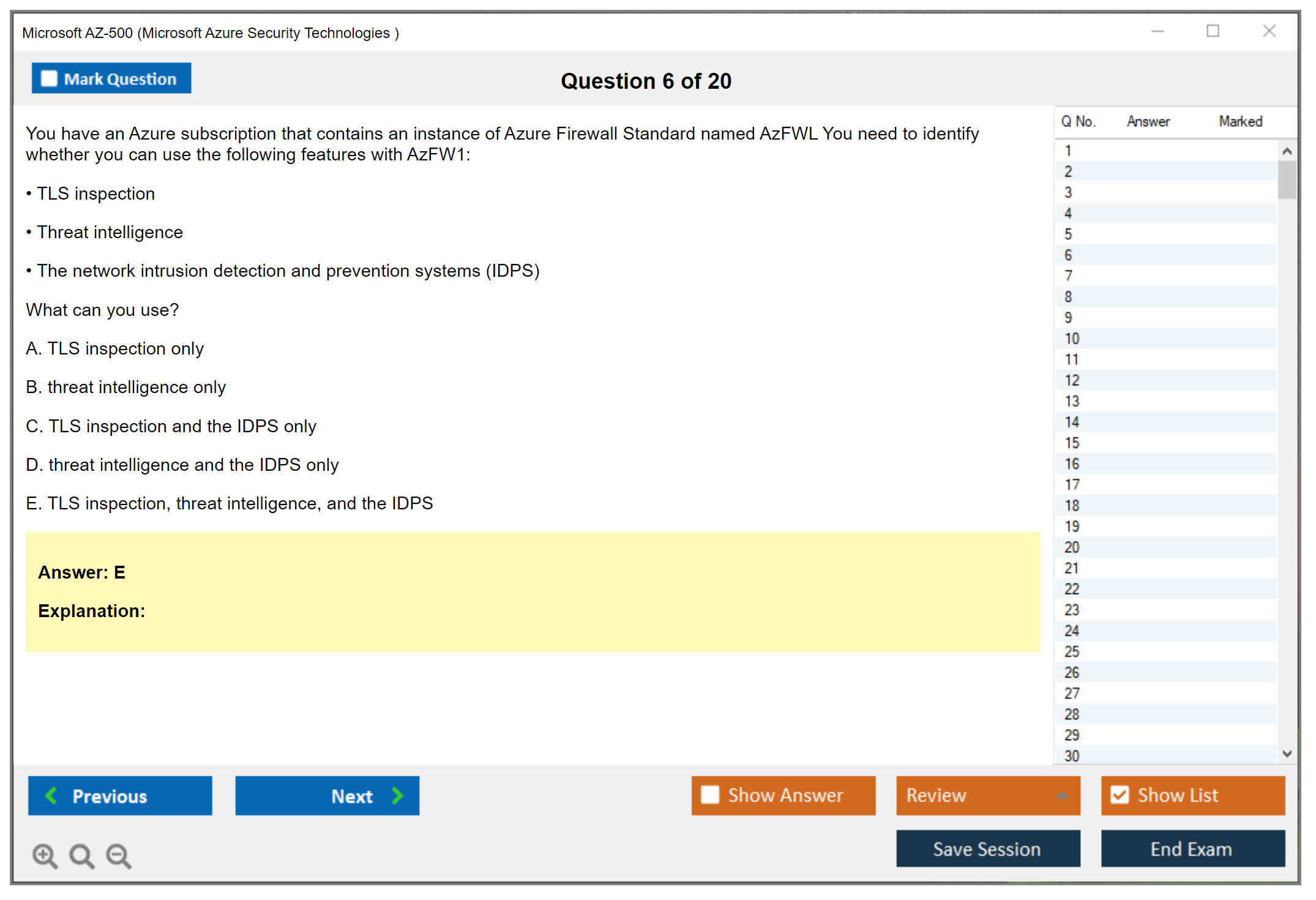
Azure Firewall's centralized filtering with application rules, network rules, and NAT rules. Premium adds TLS inspection, IDPS, URL filtering, and web categories. If you're asked "which feature blocks known malicious patterns" that's IDPS. If you're asked "control outbound web access by category" that's web categories.
DDoS Protection Standard
Know enabling, policies, telemetry, mitigation reports. it's a checkbox. You'll get questions about protecting public endpoints and how DDoS integrates with VNets and IPs.
Front Door security and Application Gateway with WAF
Front Door WAF for global edge, geo-filtering, managed rules. Application Gateway WAF for regional ingress into VNets. OWASP rule sets, detection vs prevention. If the app's internal to the VNet, App Gateway often makes more sense. If you want global entry and edge caching, Front Door.
Azure Bastion for secure access
Bastion gives RDP/SSH without public IPs. That's the whole point, reduce exposed management ports, cleaner audit story.
Service Endpoints and Private Endpoints
Service endpoints keep traffic on the Azure backbone but the service still has a public endpoint. Private Link gives you a private endpoint IP in your VNet so you can remove public exposure entirely. The exam loves this distinction.
Private Link architecture
Private endpoints, private link services, DNS configuration, and network policies. DNS is the "gotcha" because name resolution has to point to the private endpoint, and private DNS zones are often the clean way to do it.
Segmentation, encryption, VPN, ExpressRoute, and Network Watcher
Hub-and-spoke. Route tables. Isolation patterns. VNet encryption for VM-to-VM traffic in the same VNet. VPN Gateway auth methods and IPsec/IKE policies, I mean, ExpressRoute security and peering considerations matter too. Network Watcher tools like NSG flow logs, traffic analytics, connection monitor, and packet capture for when you need evidence.
Domain 3: Secure compute, storage, and databases (20-25% of exam)
This domain's where "secure the workload" becomes concrete.
VM security hardening and Azure Disk Encryption
Secure boot, vTPM, confidential computing where it fits, update management, and disk encryption. For Azure Disk Encryption, know BitLocker (Windows) vs dm-crypt (Linux), Key Vault integration, and key management expectations.
Microsoft Defender for Cloud (formerly Azure Security Center)
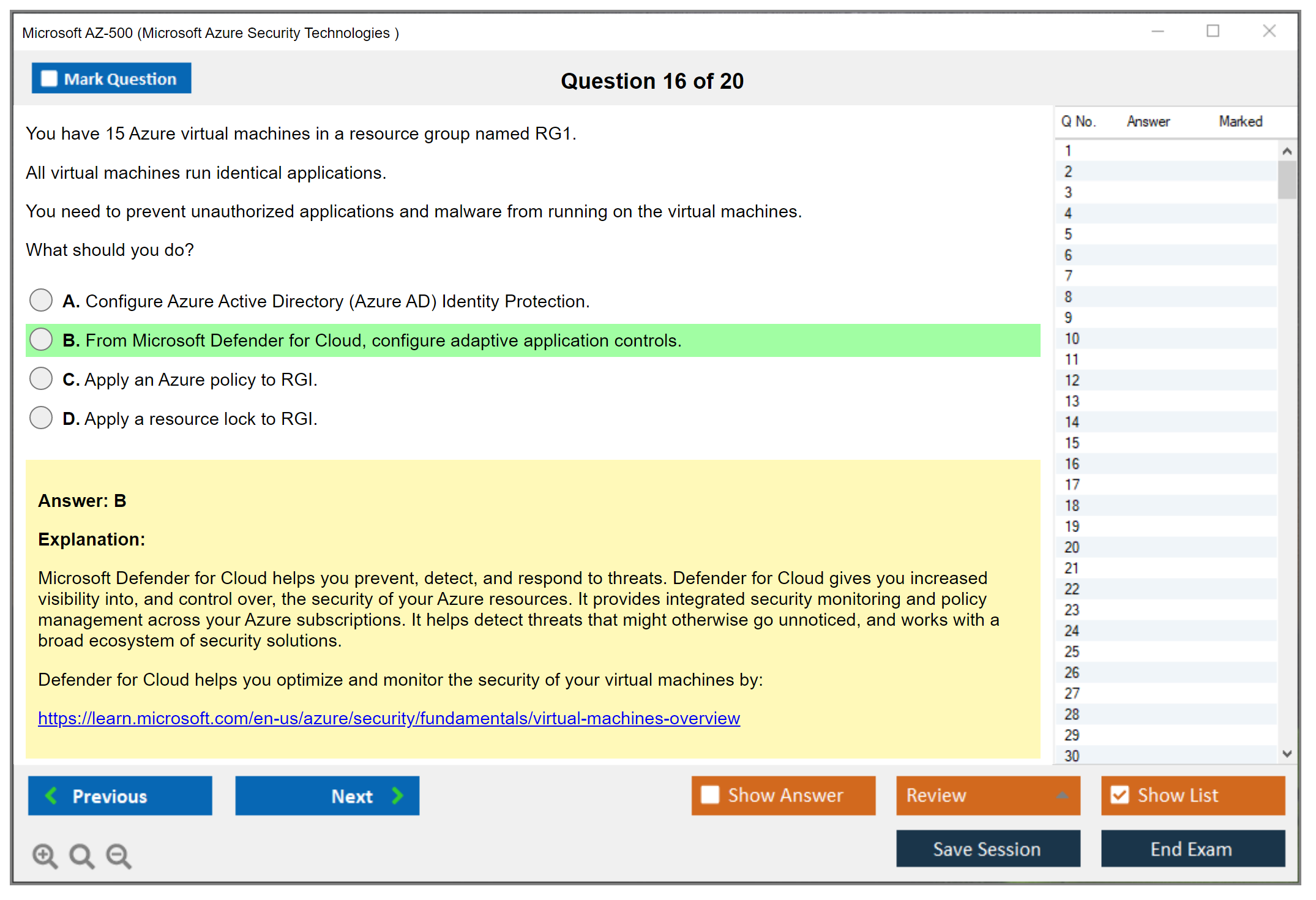
Defender for Cloud shows up everywhere on AZ-500: secure score, recommendations, regulatory compliance dashboards, and Defender plans per workload, auto-provisioning and which agents/extensions get deployed, plus what the alerts mean.
One line: learn the portal.
Longer reality: you need to recognize which Defender plan covers what, because the exam'll describe a threat scenario in AKS or SQL and ask what to enable, and if you just answer "turn on Defender" you'll get it wrong because Microsoft wants the specific plan, the scope, and the right configuration knob, and it's very picky about wording.
Container and AKS security
Secure ACR, image scanning (where available through Defender integrations), AAD integration, network policies, Azure Policy for Kubernetes, secrets management. Pod security controls matter. So does not putting secrets in YAML.
App Service security
AuthN/AuthZ, managed identities, HTTPS only, and deployment slots for safer releases. Also access restrictions and private endpoints can show up, depending on objective updates.
Storage security and SAS
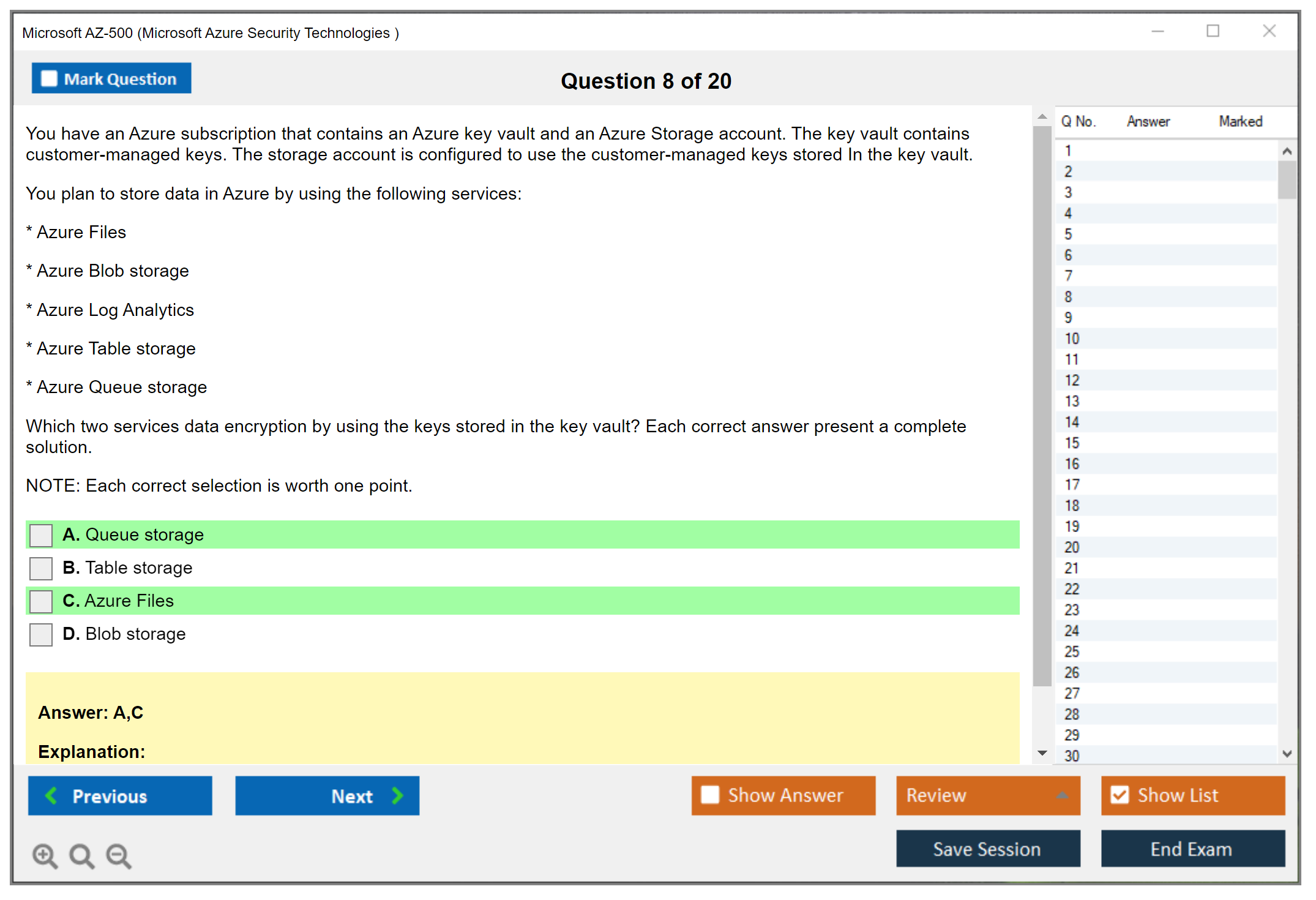
Encryption, keys, Azure AD auth, firewall rules. Encryption options include Microsoft-managed keys, customer-managed keys in Key Vault, and infrastructure encryption.
SAS is always tested. Account SAS vs service SAS vs user delegation SAS, plus time limits, IP restrictions, permissions scoping. If you hand out an account SAS with full rights and no expiry, you basically failed the exam and also your job.
Azure SQL Database security
TDE, Always Encrypted, dynamic data masking, auditing, Entra authentication. Defender for SQL includes vulnerability assessments and threat detection alerts, and you need to know what each is for.
Azure Key Vault implementation and best practices
Key Vault stores secrets, keys, certs. Access can be via vault access policies (legacy model) or RBAC (preferred in many orgs). Rotation strategies matter. Separate vaults per environment's a best practice because mixing dev/test/prod secrets is how you end up with accidental privilege crossover.
Best AZ-500 study materials
Microsoft Learn paths first. Then official docs and security baselines. Add hands-on labs in portal, CLI, and IaC if you work that way.
A decent AZ-500 practice test can help, but only if it explains why answers are wrong. Brain dumps are trash and they'll rot your understanding.
AZ-500 practice tests and exam prep strategy
What to look for in practice tests: scenario-heavy questions, updated objectives mapping, and detailed explanations.
Common mistakes? Skipping Conditional Access details. Confusing Private Link vs service endpoints. Treating Key Vault permissions like a guessing game. Also not reading the question twice.
How to register and take the AZ-500 exam
Schedule through Pearson VUE, online proctoring or test center. Retake policies change, so verify on Microsoft's site when you plan.
AZ-500 certification renewal
How do I renew the Azure Security Engineer Associate certification? Renewal's usually an online assessment you take before expiration, free, open-book-ish, and
Conclusion
Preparing for the Microsoft AZ-500 exam isn't something you knock out in a weekend
This certification actually proves you can secure Azure workloads at scale, not just randomly click through security settings in the portal until something works. The Microsoft AZ-500 exam throws real-world scenarios at you involving Microsoft Entra security, Microsoft Defender for Cloud configurations, network isolation strategies, and those data protection patterns that security engineers wrestle with daily. You're not memorizing trivia here.
The AZ-500 exam cost sits at $165. Not cheap. With a passing score requirement that demands genuine understanding across all exam objectives, you really want to show up prepared. The combination of identity management depth (RBAC, Conditional Access, PIM), platform protection complexity (network security groups, firewalls, DDoS), plus the sheer breadth of security operations topics makes this exam tough even for folks with Azure experience. That's why hands-on practice matters way more than reading documentation.
Your study plan should mix official Microsoft Learn paths with actual Azure portal time. Configure security baselines. Test policies. Break stuff in a safe environment to see what happens. I've seen people pass after four weeks of focused study, others need three months. Depends on their background with Azure Security Technologies certification concepts and real security engineering work.
My cousin tried rushing through in two weeks once and failed spectacularly, mostly because he skipped the whole networking security section thinking it wouldn't be "that big a deal." It was roughly 30% of his exam.
Making sure you're actually ready
Practice tests reveal weak spots before exam day does.
A good AZ-500 practice test mirrors the actual question complexity and scenario-based format you'll face. Not just surface-level "what is Azure Firewall" stuff but multi-step problems where you evaluate security configurations, troubleshoot access issues, or recommend solutions based on specific requirements and constraints.
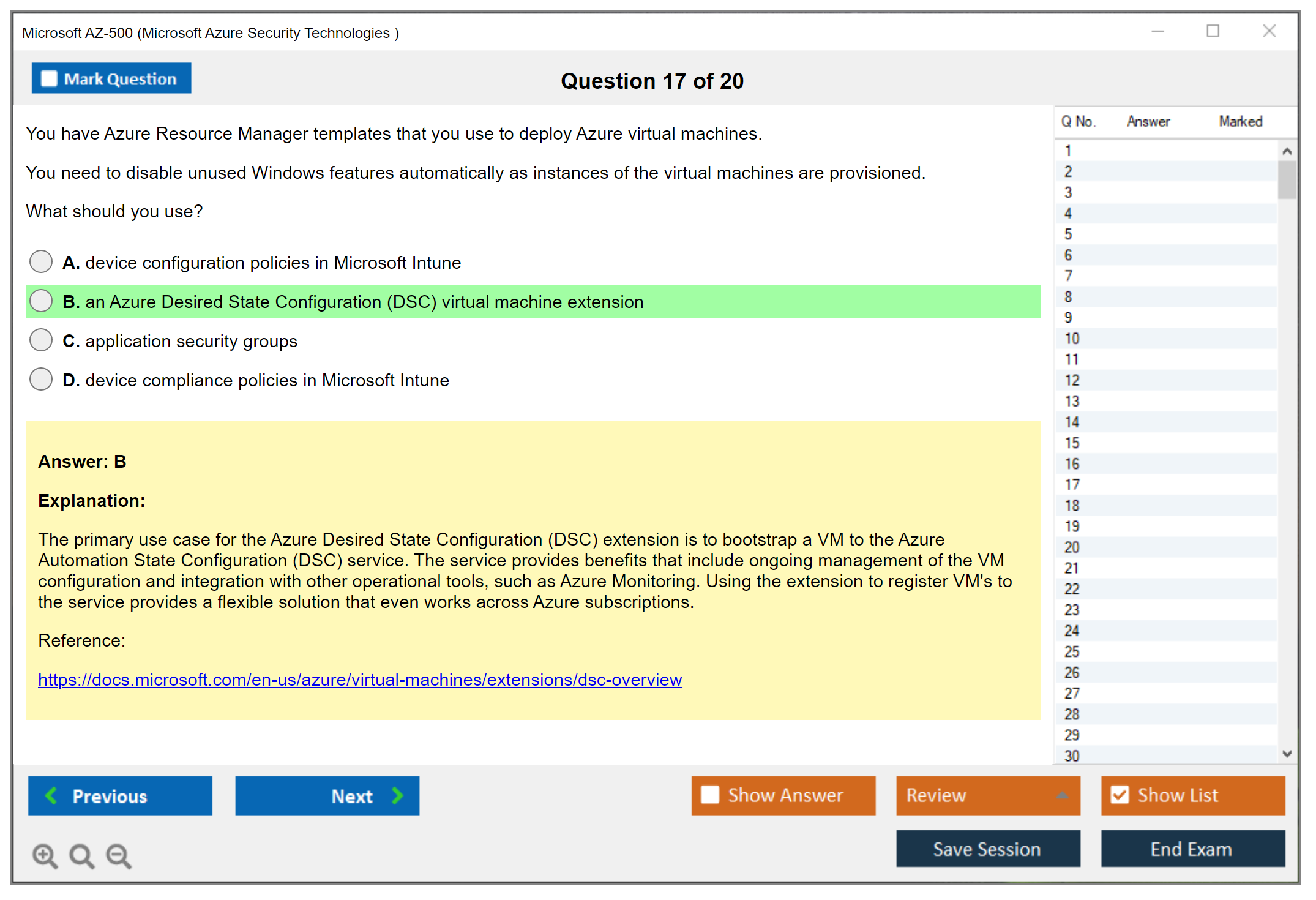
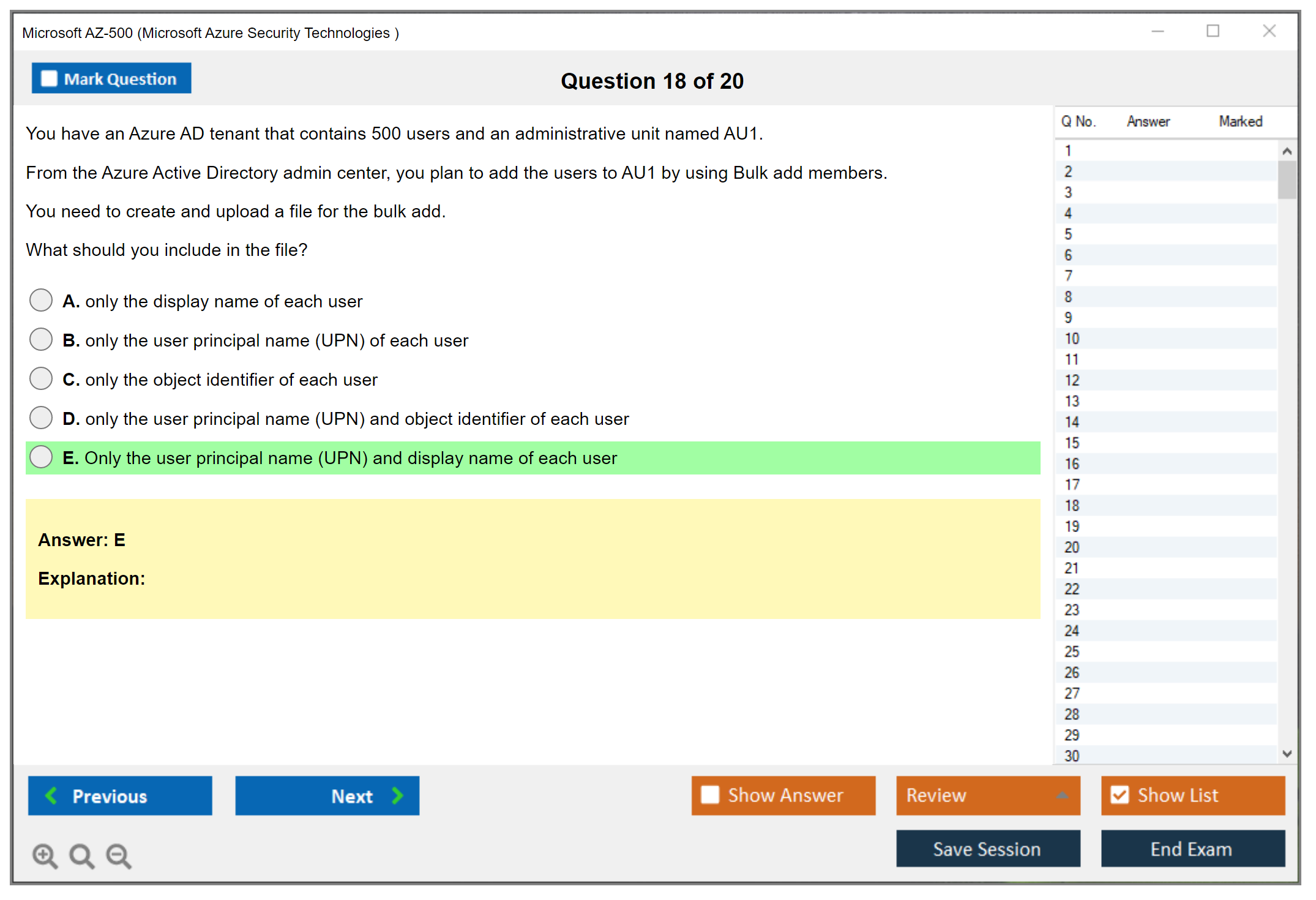
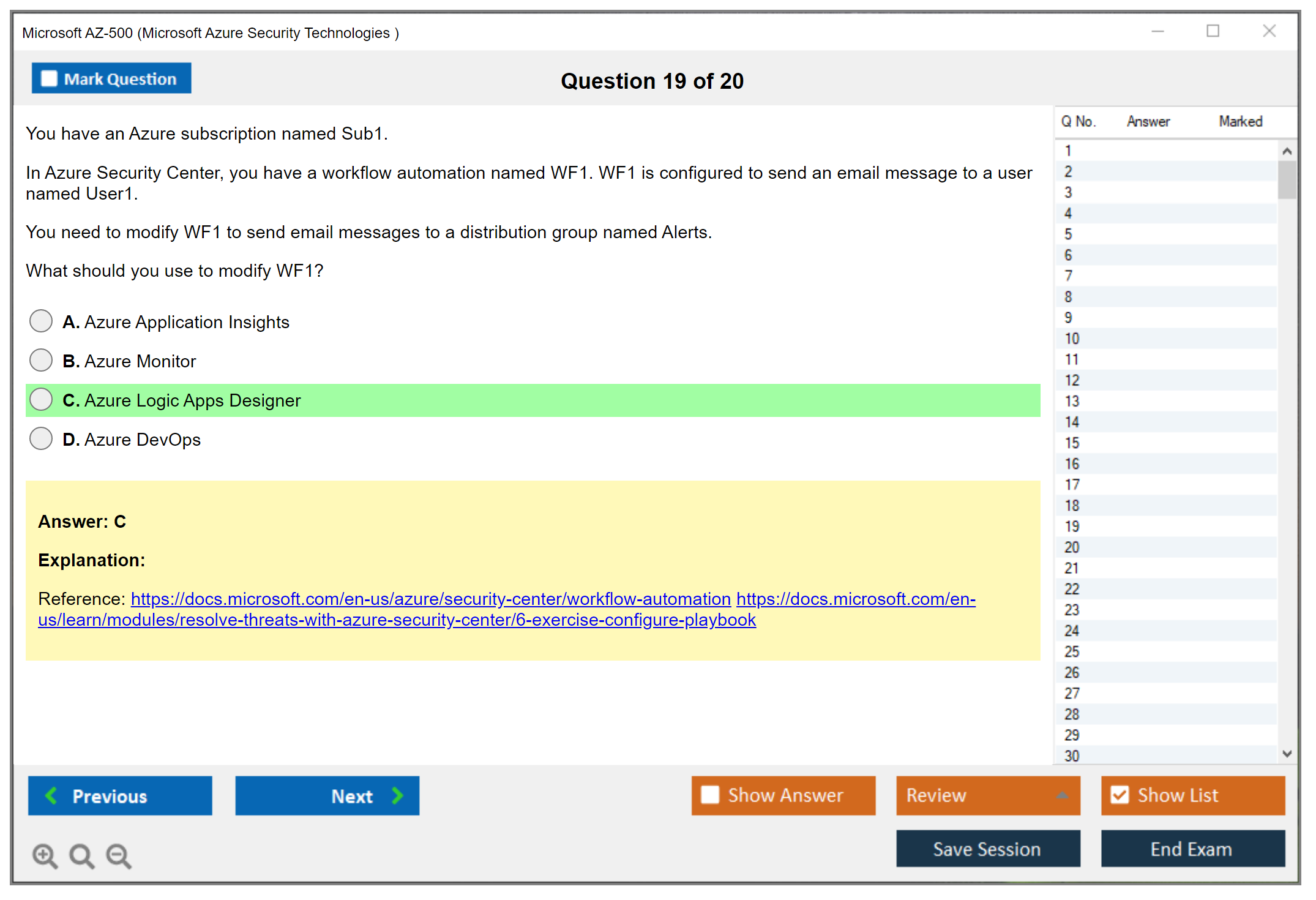
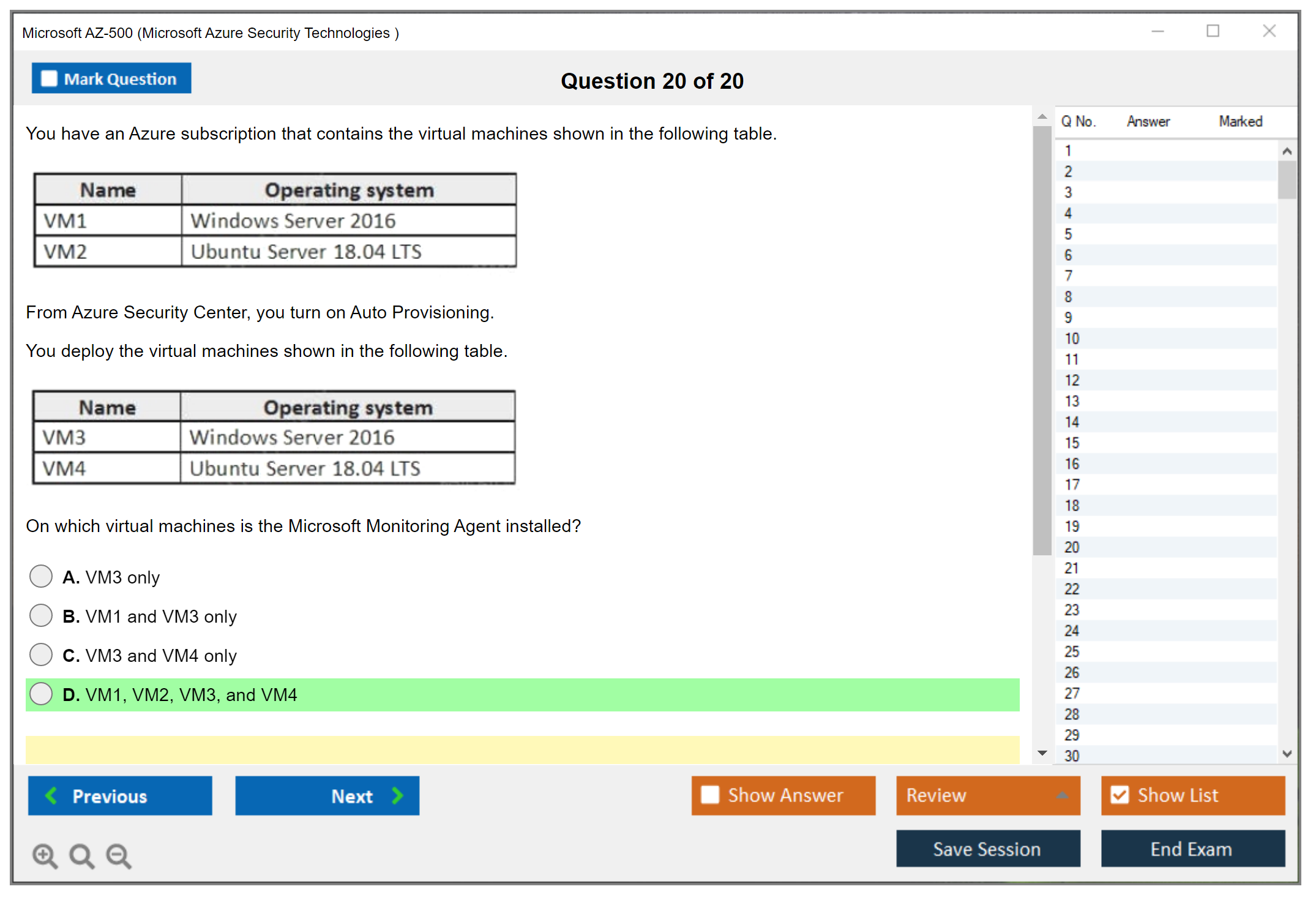
That's exactly why the AZ-500 Practice Exam Questions Pack exists as a final prep step. These questions follow current exam objectives, include detailed explanations that actually teach concepts instead of just confirming answers, and help you build pattern recognition you'll need when facing similar scenarios under time pressure during your Microsoft Certified: Azure Security Engineer Associate exam.
The certification renewal process every year keeps you current as Azure security features evolve, which matters given how fast cloud security changes. Get the cert, use it securing real environments, and you'll find the knowledge sticks way better than cramming ever could.
