

Understanding the iSQI CTFL-001 (ISTQB Certified Tester Foundation Level) Certification
Here's the thing. If you're breaking into software testing or maybe trying to formalize what you already know, the iSQI CTFL-001 (ISTQB Certified Tester Foundation Level) is basically the industry standard you can't ignore. It's not the flashiest certification out there. I mean, honestly it's pretty dry. But it's recognized in more than 120 countries and is proof that you understand testing fundamentals, which matters when you're competing for positions against people who've got nothing but "I'm detail-oriented" on their resume.
ISTQB (the International Software Testing Qualifications Board) created this whole framework to standardize how we talk about and approach software testing. iSQI is one of the accredited exam providers that actually delivers these certifications, so when you see "iSQI CTFL-001," you're looking at their version of the ISTQB Foundation Level exam. Same content, same standards, just different delivery channels depending on where you are and who's administering it.
The CTFL-001 is vendor-neutral and role-agnostic, which honestly makes it more valuable than some hyper-specific tool certifications that might be obsolete in three years when your company switches from whatever testing platform they're married to this quarter. It fits with ISO/IEC/IEEE 29119 software testing standards, so you're learning stuff that actually matters across different industries and methodologies. Whether your team runs waterfall, Agile, or some weird hybrid thing nobody can quite explain during standup, the fundamentals still apply.
Why this certification matters globally
Not gonna lie, the standardized syllabus is what makes CTFL work internationally. A tester in Germany and one in Singapore can have the exact same conversation about equivalence partitioning or boundary value analysis because they learned the same vocabulary and concepts. Sounds boring until you're on a Zoom call with seven people across four time zones trying to explain what "regression" means to three different interpretations. That shared language is huge when you're working on distributed teams or trying to land a job in a different country.
The certification gives you a framework that transcends whatever tool your current company happens to use. I've seen testers who know Selenium inside-out but can't explain why they're writing certain test cases. That's the gap CTFL fills, though it won't teach you how to actually code those automation scripts. Sort of like knowing grammar rules versus being able to write a decent novel, except nobody's winning awards for elegant test documentation.
Who actually needs the ISTQB CTFL-001 exam
Software testers and QA engineers who are just starting out (0-2 years of experience) get the most obvious benefit. You're building credibility. Showing employers you didn't just stumble into testing because the developer position fell through. But honestly, the exam is useful for way more people than just entry-level testers, even if some experienced folks roll their eyes at "foundation level" anything.
Developers benefit from understanding testing principles because it changes how they write code. When you know about static testing and reviews, you catch problems before they even compile, saving everyone the awkward "this crashes immediately" bug report. Business analysts need testing knowledge for requirements validation. If you can't test a requirement, it's probably garbage. Project managers overseeing quality assurance activities should understand what their test team is actually doing during test planning phases instead of just asking "why isn't testing done yet?" every single sprint.
Product owners and Scrum Masters in Agile environments? Yeah, they should know this stuff too. I've worked with POs who had no clue why the test team needed more time for regression testing, and it created friction that could've been avoided if everyone understood what regression actually entails. Career changers transitioning into QA roles use CTFL as their entry ticket. It's easier to break into testing with a recognized certification than trying to convince someone your "attention to detail" from accounting translates to software testing, which it might, but good luck proving it without credentials.
Real benefits beyond the certificate on your wall
The standardized vocabulary thing can't be overstated. When everyone on your team understands what "smoke testing" actually means versus "sanity testing," you waste less time in meetings arguing about definitions while the developers check their phones. The CTFL-001 gives you that common language, though honestly some teams will still make up their own terms because that's just how software companies work.
It's also the foundation for advanced ISTQB certifications like the Agile Tester or Test Analyst tracks. You can't skip straight to advanced levels, so CTFL is your mandatory first step if you want to specialize later. Kind of annoying if you've got ten years experience but never bothered to certify, but those are the rules. Some people go for the Test Manager track if they're aiming for leadership roles.
Better job prospects are real. I searched job postings last month and saw ISTQB listed as "preferred" or "required" way more often than a few years ago, especially for remote positions where companies can't just "get a feel" for your skills over coffee. Salary advantages exist too. Certified testers often command 10-20% higher compensation, though that varies by region and company and your ability to negotiate, which is a whole separate skill. The certification gives you use during negotiations because it's objective proof of knowledge rather than just claiming you're "really good at finding bugs."
You also get systematic understanding of test design techniques like black-box testing methods, equivalence partitioning, and boundary value analysis. These aren't just academic concepts. They directly impact how efficiently you design test cases instead of just randomly clicking around hoping something breaks. Learning defect lifecycle management and incident reporting standards makes you better at communicating bugs to developers without starting flame wars in Jira comments, which is honestly worth the certification cost by itself.
How CTFL-001 fits in the testing certification space
Other certifications exist. ASTQB (which is just the American version of ISTQB), CSTE, CSQA. But ISTQB CTFL remains the most widely adopted globally, and the reason is simple: international recognition and a massive community of certified testers who all learned the same concepts. If you get certified through ASTQB in the US, you still hold an ISTQB certification that works anywhere, which is convenient if you're considering relocating or remote opportunities.
Industry demand keeps growing. Companies building quality frameworks and maturity models often reference ISTQB as the baseline for their testing staff. It's become the default expectation rather than a nice-to-have bonus. The certification is relevant across traditional waterfall, Agile sprints, and even DevOps environments where testing happens in CI/CD pipelines, though you'll need additional skills for automation and tooling.
Some people compare it to Performance Testing or Acceptance Testing specializations, but those are different focuses entirely. CTFL gives you the broad foundation first, then you can narrow down to whatever actually interests you or pays better in your market.
The syllabus keeps evolving
The current ISTQB CTFL Syllabus v4.0 dropped in 2023 and reflects modern testing practices way better than older versions, which felt stuck in 2010 when everyone still did waterfall and pretended Agile was a passing fad. There's way more emphasis on Agile integration and shift-left testing, catching defects earlier in the development lifecycle instead of finding everything during final testing phases when fixing stuff costs exponentially more and everyone's stressed about release dates.
Risk-based testing gets significant coverage now, which makes sense given how much we prioritize testing efforts based on business risk rather than testing every single field with equal intensity regardless of whether anyone actually uses that feature. Continuous testing in CI/CD pipelines is another big addition because that's how most teams work these days, or at least claim they do. The syllabus includes better coverage of test automation concepts and tool support, though it stays vendor-neutral so you won't learn specific frameworks.
What I appreciate about v4.0 is the practical applicability to real-world scenarios. Earlier versions felt academic, like they were written by people who hadn't actually tested software since the 1990s, but the current syllabus includes challenges you'll actually face when testing modern applications with APIs and microservices and all that complexity. The updates show that ISTQB is listening to what the industry needs instead of just preserving legacy content because "that's how we've always done it," which is refreshing for a standards body.
Getting started with exam prep
The ISTQB CTFL-001 exam cost varies by country and provider, typically ranging from $200-$300 USD, though you'll want to check with iSQI directly for current pricing in your region because I've seen it fluctuate. There aren't formal prerequisites. You don't need X years of experience or another certification first. But having some background in software development lifecycle concepts and basic QA terminology definitely helps unless you want to memorize definitions for terms you've never encountered in context.
The passing score for ISTQB Foundation Level sits at 65% (26 out of 40 questions), which might sound easy, but the questions are trickier than you'd expect with their deliberately confusing answer options. it's memorization. You need to apply concepts to scenarios where three answers sound plausible and one is technically correct, which is frustrating when you're taking the actual exam.
How hard is the CTFL-001 exam? Honestly, it depends. If you've been testing for a year or two, you'll recognize most concepts but might struggle with formal terminology because your team calls things by different names. Complete beginners should budget 3-6 weeks of serious study, maybe longer if you're working full-time and have limited study hours. I've seen people try to cram it in a week and pass, but they usually have development experience already or got lucky with question selection.
CTFL-001 study materials range from the official ISTQB syllabus and glossary (both free downloads that are dry as toast) to accredited training courses that cost hundreds or thousands of dollars depending on whether it's online self-paced or live instructor-led. Self-study works fine if you're disciplined and don't need someone holding you accountable. Books like "Foundations of Software Testing" by Rex Black and Dorothy Graham are solid, though make sure you're using materials aligned with v4.0 if that's what you're testing on. Studying v3.1 content will leave gaps.
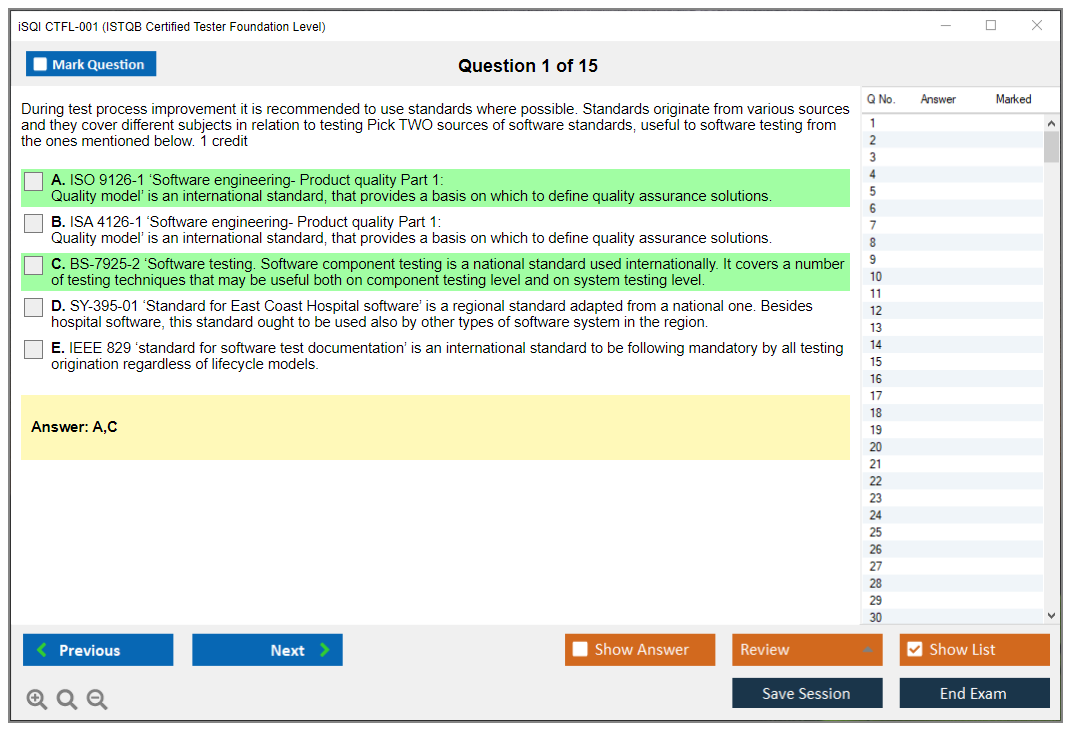
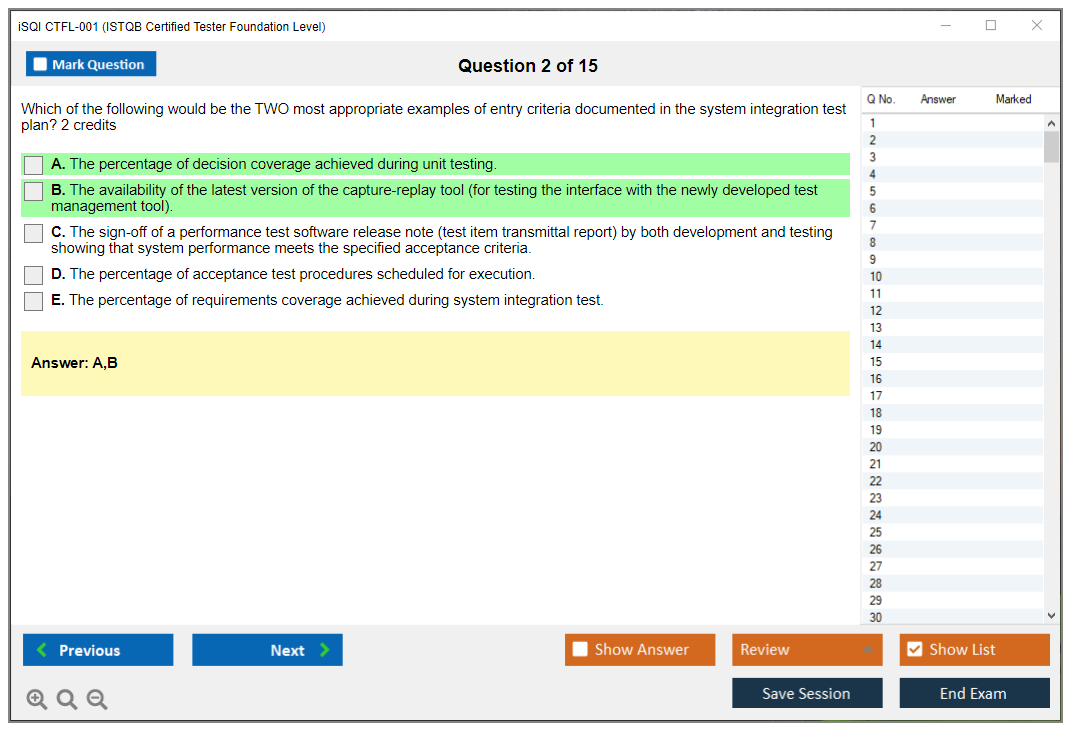
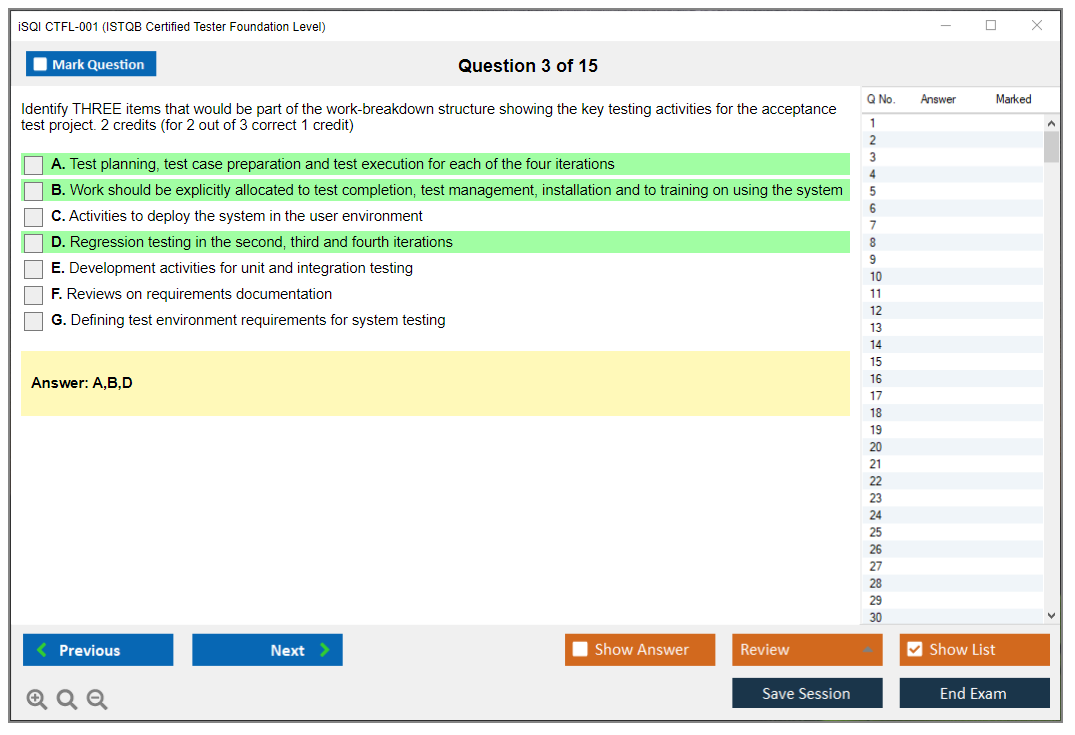
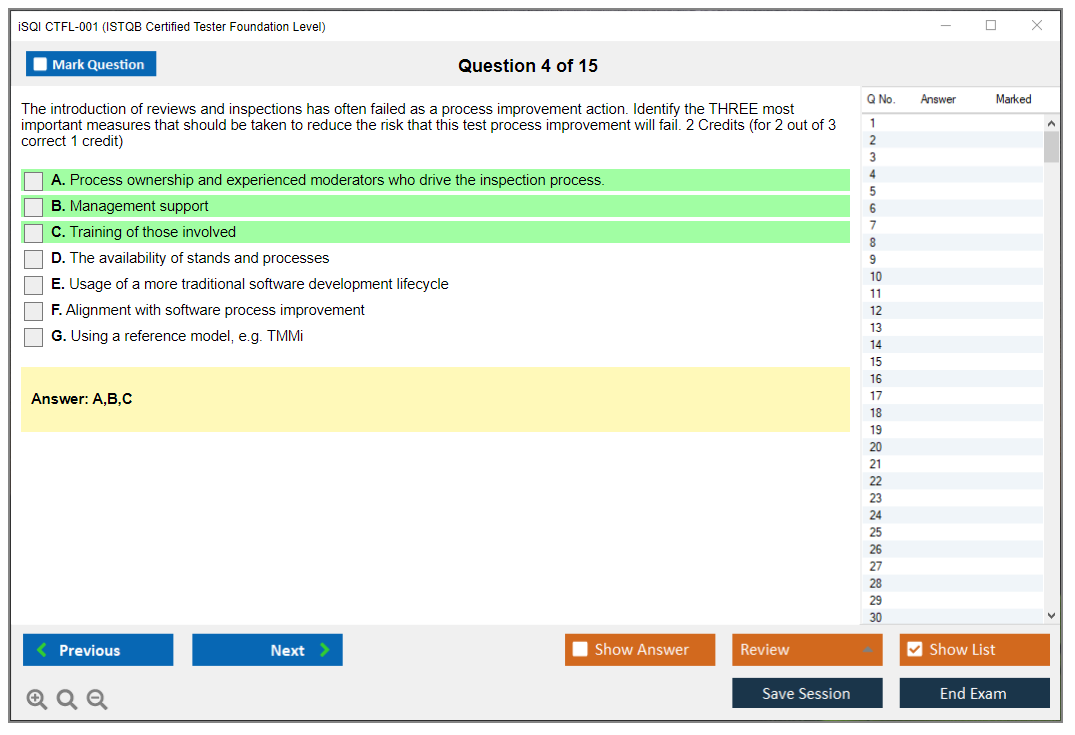
CTFL-001 practice tests are critical, like I can't stress this enough. The official ISTQB sample questions give you a feel for question style, but you need more volume to really internalize how they phrase things and what they're actually asking versus what you think they're asking. Take at least 3-5 full practice exams before the real thing, reviewing rationales for every wrong answer instead of just checking your score and moving on. That's where real learning happens. Understanding why three answers are wrong matters as much as knowing the right one, especially when you're second-guessing yourself during the exam.
After you pass
Does ISTQB CTFL expire? Nope, it's valid for life, which is nice because you won't get reminder emails about renewal fees every year like some other certifications. Some employers might prefer recent certifications or at least recent testing experience, but there's no formal renewal requirement like you'd see with some IT certifications that make you retake exams every three years. That said, testing practices shift pretty quickly, so keeping your knowledge current through the Advanced Level certifications or ongoing learning makes sense if you're serious about the field rather than just checking a box for HR.
The certification opens doors to specialized paths depending on your interests and where you see your career going, though honestly some paths pay better than others. You might pursue Technical Test Analyst if you're more technical and enjoy automation, or explore completely different areas like the Software Architecture Foundation if you want to understand the broader picture of how systems fit together beyond just testing components.
Bottom line: CTFL-001 isn't a magic bullet that transforms your career overnight or guarantees you'll double your salary immediately, but it's the recognized starting point for professional software testing that most companies understand and value. Whether you're validating existing knowledge or building a foundation from scratch, it's worth the time and exam cost. Just don't expect it to teach you everything you need to know, because real learning happens on the job when things break in production.
CTFL-001 Exam Structure and Format Overview
What iSQI CTFL-001 is, in plain terms
The iSQI CTFL-001 ISTQB Certified Tester Foundation Level exam is your entry ticket for the ISTQB track. Yeah, it's labeled "foundation," but don't get comfortable. It expects you to speak testing like you've lived it, not like you're guessing. We're talking definitions. The kind where one wrong word flips the entire meaning.
This certification? It's basically a shared language for QA and software teams. If you've ever sat through a bug triage where people argue about what "severity" actually means, you already understand why this matters. The thing is, it won't magically transform you into a great tester overnight. What it will do is force you to learn the official way ISTQB talks about testing, including the defect lifecycle and incident reporting, static testing and reviews, and the big bucket of test design techniques (black-box, equivalence partitioning, boundary values). That shared vocabulary? That's why hiring managers keep listing it, even when the job leans more exploratory and less "follow-the-process."
I've seen people pass this thing after cramming for a week and promptly forget everything except the acronym on their LinkedIn. Not the point, but it happens.
Who should take CTFL-001 certification?
New QA testers. Devs who keep getting pulled into testing. Business analysts who write acceptance criteria and want fewer "that's not what I meant" moments.
Career switchers too. It's one of the easiest certifications to explain on a resume, because "software testing fundamentals certification" is pretty self-explanatory. Recruiters recognize the acronym even if they couldn't recite the syllabus at gunpoint.
Why CTFL-001 is useful for real teams
It helps you stop arguing about terms. Simple. It also gives you a mental model for test management and test planning basics, risk, and what to test first when time's short. Which is basically always.
Also, it's a stepping stone. If you later want Advanced Level like Test Analyst or Test Manager, CTFL is the expected starting point, so keeping it clean and official early can save you headaches down the road. More on that at the end.
CTFL-001 exam overview (structure, timing, delivery)
The ISTQB CTFL-001 exam is straightforward on paper: 40 multiple-choice questions, single correct answer per question, no "select all that apply" tricks. Still, the distractors are written by people who know exactly how candidates misread glossary terms, so you can't just wing it and hope.
Time limit? Sixty minutes for native English speakers. That's one hour. Short. Three minutes per two questions, roughly. Non-native English speakers taking the exam in English can usually get extended time, commonly 75 minutes. Candidates taking the exam in a non-native language may also receive additional time depending on the provider's rules. Ask before booking, don't assume.
Closed-book, always. No notes. No glossary printout. No "quick check" of definitions. That's the whole point.
Delivery depends on where you take it. You might do computer-based testing (CBT) at a test center, you might do online proctoring, or you might still see paper-based sessions via training providers. It varies by country and exam partner, and iSQI works through multiple channels.
No negative marking. That's huge. If you leave a question blank, it scores the same as wrong, so you should answer everything even if you're guessing at the end. One point each, no partial credit, that's it.
Passing score for CTFL-001
The ISTQB Foundation Level passing score is 26 out of 40, which is 65% correct. Binary pass or fail, no grades, no "pass with merit." Some people hate that. I'm fine with it. It keeps the goal simple.
If you take CBT, you often get an immediate preliminary result after you submit. Official certification usually lands in 2 to 4 weeks after passing, depending on processing. You'll get a certificate and a unique certification number you can use for verification.
CTFL-001 objectives (what the exam actually covers)
The exam maps directly to the CTFL-001 syllabus and objectives, and the weighting reflects what ISTQB thinks matters most in day-to-day testing work. Translation: expect more questions where you have to apply techniques, and fewer where you just memorize tool names.
If you want a quick reference page while planning, I usually point people to CTFL_001 (ISTQB Certified Tester Foundation Level (CTFL_001)) and CTFL_Foundation (ISTQB Certified Tester Foundation Level). Different pages, similar intent, and it helps you cross-check what you think the exam is versus what it actually asks.
Syllabus breakdown by question distribution
Here's the distribution you should plan around. It's not random, it's basically the blueprint.
Fundamentals of Testing gets approximately 8 to 9 questions (K1, K2). This is where the defect lifecycle and incident reporting terminology shows up, plus why testing exists at all.
Testing Throughout the Software Development Lifecycle pulls approximately 7 to 8 questions (K1, K2). Expect models, test levels, test types, and where testing fits.
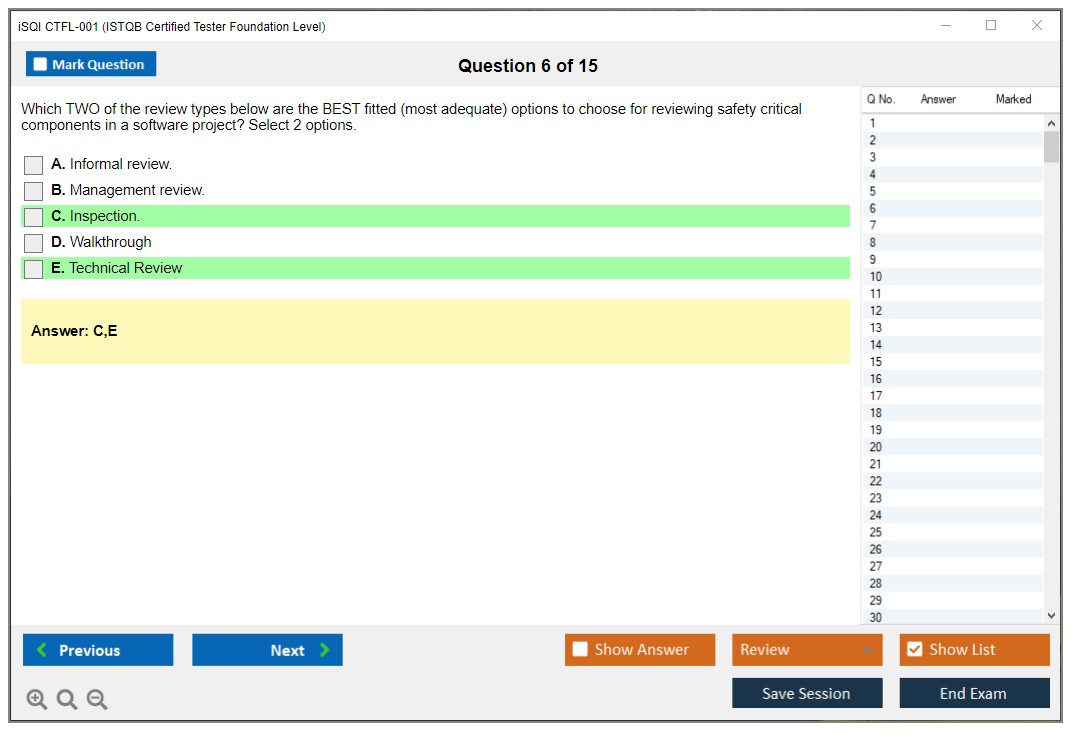
Static Testing runs approximately 5 to 6 questions (K1, K2). Reviews, static analysis concepts, and what each review type is good at.
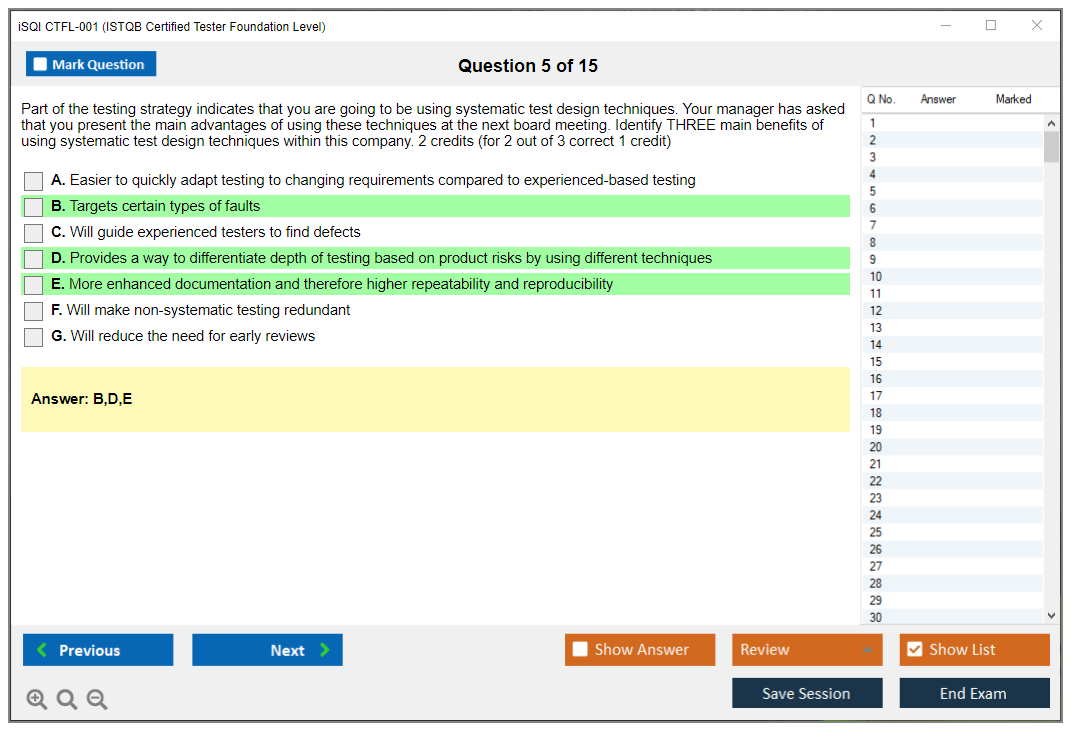
Test Analysis and Design hits approximately 11 to 12 questions (K2, K3). The biggest slice. This is your test design techniques (black-box, equivalence partitioning, boundary values) territory, plus decision tables and state transition style thinking.
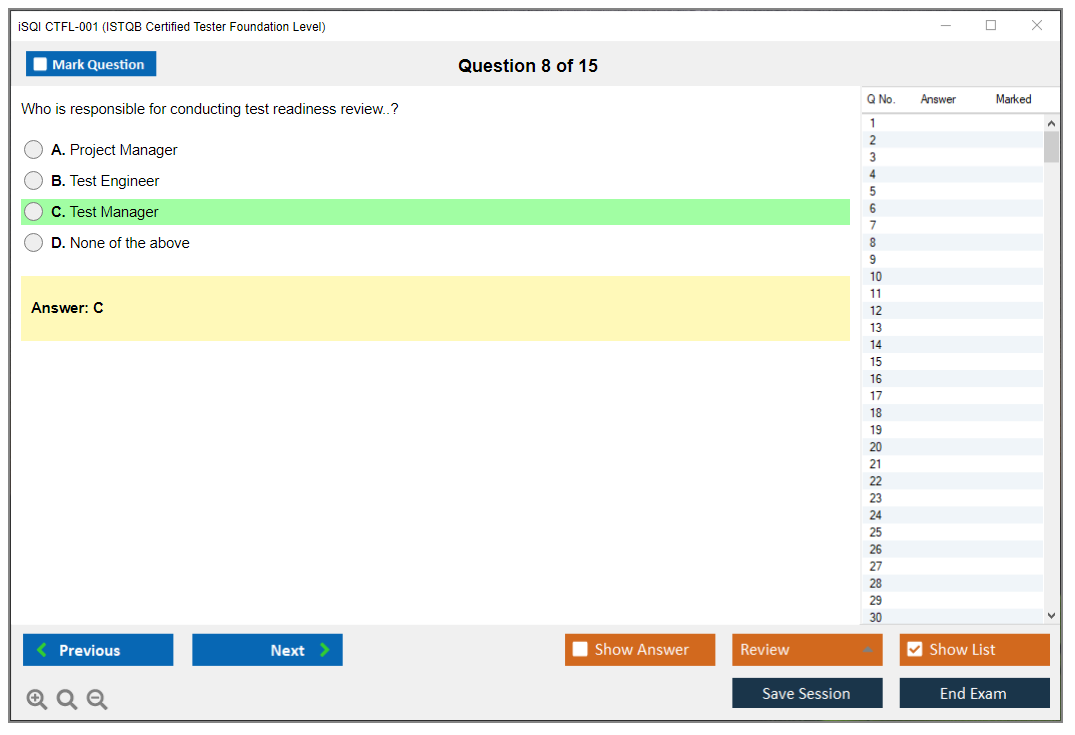
Managing the Test Activities grabs approximately 8 to 9 questions (K1, K2, K3). Test management and test planning basics, risk-based testing, metrics, monitoring, and control.
Test Tools gets approximately 2 to 3 questions (K1, K2). Light coverage, but still shows up, usually concept-level.
Notice what's happening. Test analysis and design dominates, because that's where you prove you can do something with the knowledge, not just repeat it.
Cognitive levels (K1, K2, K3) and what they feel like
ISTQB uses cognitive levels to describe depth.
K1 is Remember. Definitions, terms, basic facts. Roughly 30% of questions. You either know it or you don't. Short. Brutal.
K2 is Understand. Roughly 50%. You have to explain, classify, compare, or spot the best description. This is where similar-sounding options mess people up, because two answers look "kind of right" but only one matches the glossary wording and the scenario.
K3 is Apply. Roughly 20%. Scenario-based. You get a mini situation and you choose the right technique or the right next step. No K4 or above at Foundation Level, so you won't be doing deep analysis, but don't get relaxed about that. A K3 equivalence partitioning question can still be time-consuming if you haven't practiced, because you're doing mental work under a clock while trying not to overthink.
Terminology precision matters more than people expect. A lot of CTFL-001 questions are basically "do you understand what this word means in ISTQB, not what your last company used it to mean."
Exam delivery options and where you can take it
Pearson VUE test centers are common for proctored CBT worldwide. Some regions also offer Pearson OnVUE online proctored exams, which is remote testing from home, with the usual rules about camera, desk checks, and no talking.
Accredited training providers sometimes run exam sessions after a course, and those can be paper-based or computer-based depending on the setup. National ISTQB boards also organize public sessions in some countries, and larger companies sometimes arrange corporate bulk testing for internal cohorts.
Accessibility accommodations exist for candidates with disabilities, but you need to request them early and provide whatever documentation the provider asks for. Don't wait until the week of the exam. It never goes smoothly.
What to expect on exam day (so you don't get rattled)
Bring a valid government-issued photo ID that matches your registration name. If your profile says "Mike" and your ID says "Michael," fix it ahead of time. Test centers can be picky. Not gonna lie, I've seen people lose their slot over tiny mismatches.
Check-in includes personal belongings restrictions: no phones, no notes, usually no bags in the room. You get scratch paper provided. Sometimes it's a laminated sheet and marker. No calculators. No reference materials. Closed-book means closed-book.
On CBT, the interface usually lets you move forward and back, flag questions for review, and skip. Use that. The timer is always visible, and you may get warnings as time runs down. Don't camp on one question early, because later you'll be rushing K3 items where a calm read matters.
After you submit, CBT often shows a preliminary result immediately. Then you wait for the official certificate issuance, usually 2 to 4 weeks, and you'll receive the certification number for verification.
CTFL-001 cost and registration (and what changes the price)
People ask "How much does the iSQI CTFL-001 exam cost?" and the honest answer is: it depends on country, provider, and whether it's bundled with training. The iSQI CTFL-001 exam cost can vary a lot because some providers include a retake option, some bundle official training, and some price higher for test center delivery versus remote delivery.
Registration usually happens through the exam provider portal, often Pearson VUE if that's the channel in your region. If you're taking it via a training company, they may register you as part of the course.
Retake policy and fees are provider-specific. Read the terms before you book. Boring? Yes. Necessary? Also yes.
CTFL-001 prerequisites and recommended experience
CTFL-001 prerequisites are basically none in the formal sense. No required work years, no mandatory earlier certs. You can book it as a beginner.
Recommended background is different. If you understand SDLC basics, can read a simple requirement, and have seen a bug report before, you'll move faster through the syllabus. The words attach to real experiences instead of floating in space.
Difficulty and how to pass without drama
"How hard is the CTFL-001 exam, and how long should I study?" If you're new to testing, give yourself a few weeks. If you already work in QA and you just need the ISTQB wording, you can compress it. But you still need practice because the question style is its own thing.
Common reasons candidates fail? Skipping the glossary. Misreading "most appropriate." Treating K2 like K1. And spending too long on early questions, then speed-running test design techniques at the end when your brain's tired.
Time management strategy: do one pass fast, flag anything that feels sticky, then come back. Answer everything, because no negative marking means educated guessing is rational, especially if you can eliminate two options.
Best CTFL-001 study materials (what actually helps)
Start with the official syllabus and the ISTQB glossary. If you skip those, you're basically gambling.
Then add CTFL-001 study materials that match the syllabus structure, not random blog posts. Accredited training can be helpful if you want guided pacing, but self-study works fine if you're disciplined and you do enough question review.
Books are okay, but pick ones that explain why options are wrong, not just what's right. That "why" is where K2 and K3 live.
CTFL-001 practice tests and question strategy
Use official sample questions first, then move to full mock exams. CTFL-001 practice tests are less about memorizing and more about training your reading accuracy, because many wrong answers are "almost right but one word off."
My strategy? Review rationales. Track weak chapters. Then redo the same questions later, because what you want is recognition of patterns, not one-time luck.
How many practice tests? Enough that you stop being surprised by the wording. For most people, that's a couple full mocks plus targeted quizzes on test design and management.
Study plan for CTFL-001 (1 to 6 weeks)
Fast-track (1 to 2 weeks): read syllabus, memorize glossary terms daily, do one full mock every few days, and focus hard on test analysis and design because it's the largest slice and includes K3 application.
Standard plan (3 to 6 weeks): split by syllabus chapters, do short quizzes after each chapter, then do full mocks weekly. Keep a running list of definitions you keep mixing up. Slow and steady works here.
Final-week checklist? Sleep. Two full timed mocks. Re-read the glossary. Revisit equivalence partitioning and boundary values until you can do them without second-guessing. Print nothing, it's closed-book anyway.
CTFL certification renewal and validity
"Does ISTQB CTFL expire, and do I need to renew it?" In most ISTQB schemes, CTFL does not expire, so ISTQB CTFL certification renewal is usually not a thing for Foundation Level. Still, always verify the policy in your region or with the issuing body, because programs evolve and local rules can differ.
Keeping skills current is on you. If you want the next step, look at Agile and Advanced modules. For example, CTFL-AT (Certified Tester Foundation Level Agile Tester) is a common follow-up. If you're moving toward leadership, CTAL-TM_Syll2012 gives you a feel for what "test manager brain" looks like. Analyst track is there too via CTAL-TA_Syll2012.
CTFL-001 FAQ (quick answers people want)
"How much does the iSQI CTFL-001 exam cost?" Varies by provider, country, and whether training is bundled. Check your local iSQI partner or Pearson VUE listing.
"What is the passing score for ISTQB Foundation Level (CTFL)?" 26/40, 65%. One point per question, no partial credit.
"What study materials and books are best for CTFL-001?" Official syllabus plus glossary first, then a reputable question bank and at least a couple timed mocks.
"Does ISTQB CTFL expire?" Typically no. Confirm with your issuing body if you're in a region with special rules.
If you want the full blueprint in one place before you book, skim CTFL-001 (ISTQB Certified Tester Foundation Level) and then plan your prep around the domain weights. That's the part people ignore and then wonder why they got wrecked by test design questions.
Complete CTFL-001 Syllabus Breakdown and Learning Objectives
Look, if you're diving into the iSQI CTFL-001 exam, you need to understand what you're actually signing up for. This isn't just memorizing definitions and hoping for the best. The ISTQB Certified Tester Foundation Level certification requires you to grasp fundamental testing concepts that'll really shape how you think about quality assurance throughout your entire career.
What the fundamentals chapter actually covers
Chapter 1 eats up 175 minutes.
Honestly, that's because it's dense. You're not just learning "what is testing." You're understanding why testing exists beyond just finding bugs, and the thing is, most people miss this distinction completely. I mean, yeah, defect detection is huge, but the syllabus pushes you to see testing as risk reduction and quality evaluation too.
The distinction between quality assurance, quality control, and testing trips people up constantly. QA is about process improvement. QC focuses on product quality through various techniques. Testing is specifically about executing software to find defects. Wait, actually, let me clarify. These aren't interchangeable terms even though people use them that way. Not the same thing. You'll see questions that try to confuse these on exam day.
Seven testing principles form the base here. Exhaustive testing is impossible because you can't test every combination, so risk-based prioritization becomes critical. Early testing saves money because fixing a requirements defect costs way less than fixing the same issue in production, which is something I wish more project managers understood before they cut testing budgets. The pesticide paradox is fascinating: run the same tests repeatedly and they stop finding new bugs, so you need to refresh your test suite. Defect clustering means most bugs hide in a small number of modules, which affects where you focus effort.
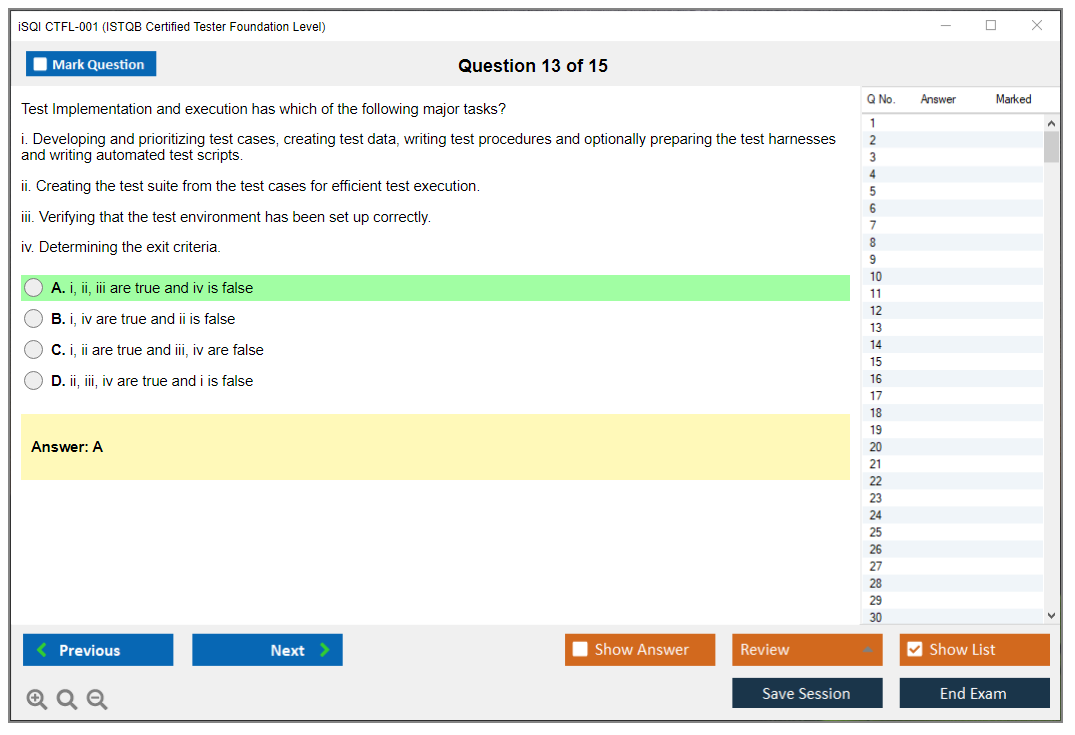
Test activities break down into planning, analysis, design, implementation, execution, and completion. Analysis defines what to test from requirements. Design specifies how to test using specific techniques. During implementation you're building testware and prepping environments. Execution is running tests and comparing actual versus expected results. But people skip test completion activities like archiving testware and capturing lessons learned, which is honestly a mistake that'll bite you later.
Tester skills go beyond technical knowledge.
You need thoroughness and skepticism, plus communication skills for writing defect reports that actually get developers to fix things instead of arguing with you. My old manager used to say that a good bug report was worth three mediocre ones because it cut through all the back-and-forth nonsense. Analytical thinking helps with root cause investigation when you find weird failures.
How testing fits into different development lifecycles
Chapter 2 takes 100 minutes and covers SDLC models. Sequential models like Waterfall and V-model have distinct phases where testing happens at specific points. Iterative models like Rational Unified Process and Spiral do repeated cycles. Agile methodologies change everything about how testing integrates with development. Scrum, Kanban, XP. Each one shifts the tester's role.
The four test levels each serve different purposes. Component testing happens at the unit level, often by developers themselves, verifying isolated modules. Integration testing catches interface defects between components. System testing validates end-to-end behavior against requirements. Acceptance testing confirms readiness for deployment and whether the system actually meets user needs, not just documented requirements which sometimes don't match reality.
Each level has typical defects you're hunting for. Component tests find logic errors and data handling issues. Integration tests expose interface mismatches and incorrect assumptions about how modules communicate. System tests reveal workflow problems and requirement gaps. Acceptance tests uncover usability issues and business rule violations.
Test types target specific quality characteristics.
Functional testing verifies what the system does. Non-functional testing covers performance, usability, security, compatibility. Basically everything that isn't functional behavior. Change-related testing includes confirmation testing (re-testing a specific fix) and regression testing (making sure fixes didn't break other stuff).
Maintenance testing gets triggered by modifications, migrations, or system retirements. Impact analysis becomes key because you need to understand ripple effects of changes in existing systems. Regression testing scope can explode in legacy systems, which is why automation matters so much here.
Static testing techniques that find defects without execution
Chapter 3 dedicates 110 minutes to static testing, which examines work products without executing code. You can review requirements, design documents, code, even test cases themselves. The defects you catch here would be way more expensive to fix later. Ambiguities, inconsistencies, omissions.
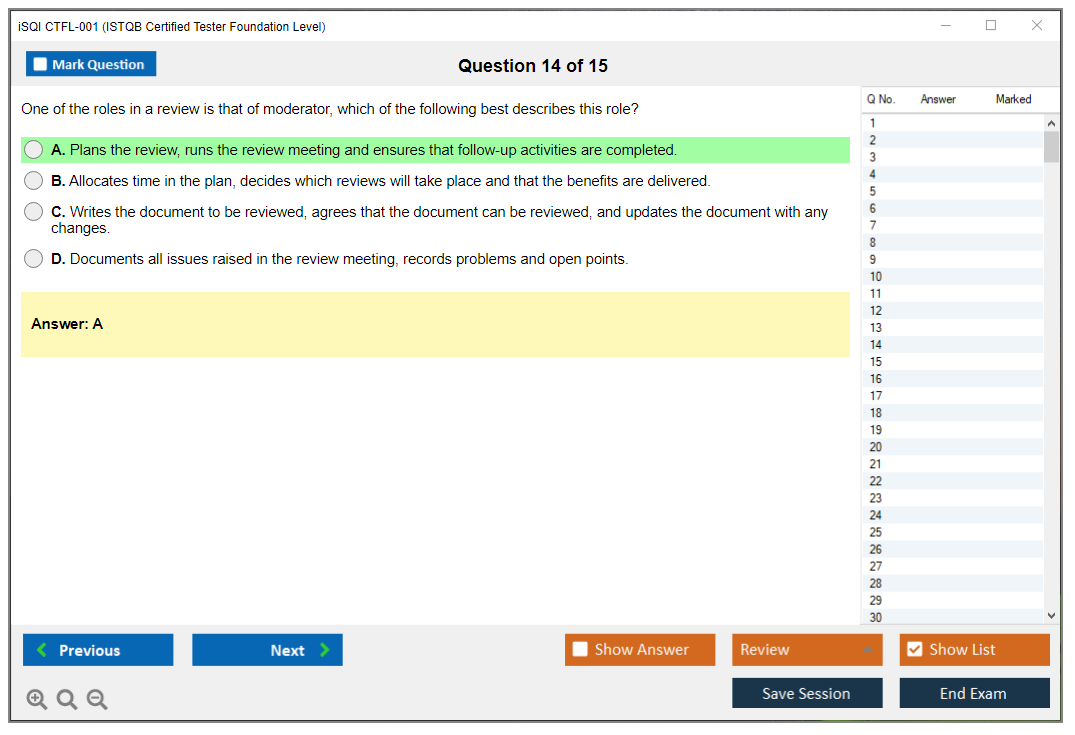
Review types range from informal to highly structured. Informal reviews include buddy checks and pair programming. Walkthroughs are author-led sessions focused on knowledge transfer. Technical reviews bring in peer experts to evaluate technical quality. Inspections follow a formal, structured process with defined roles like moderator, scribe, and reviewers.
Success factors matter more than people think. You need clear objectives and measurable exit criteria, not just "let's review this document." The review type should match your objectives and the work product. Checklists guide reviewers so they don't miss common issues. Small focused sessions work better than marathon 4-hour reviews where everyone zones out after the first hour.
Culture makes or breaks reviews.
If reviews turn into blame sessions, people hide their work or get defensive, and I've seen this destroy team morale faster than anything else. Learning and process improvement should be the goal, not finding someone to yell at.
Test design techniques that actually matter
Chapter 4 is the beast at 335 minutes. Black-box techniques use external behavior without looking at code. White-box techniques examine internal structure. Experience-based techniques use what you've learned from previous projects and similar systems.
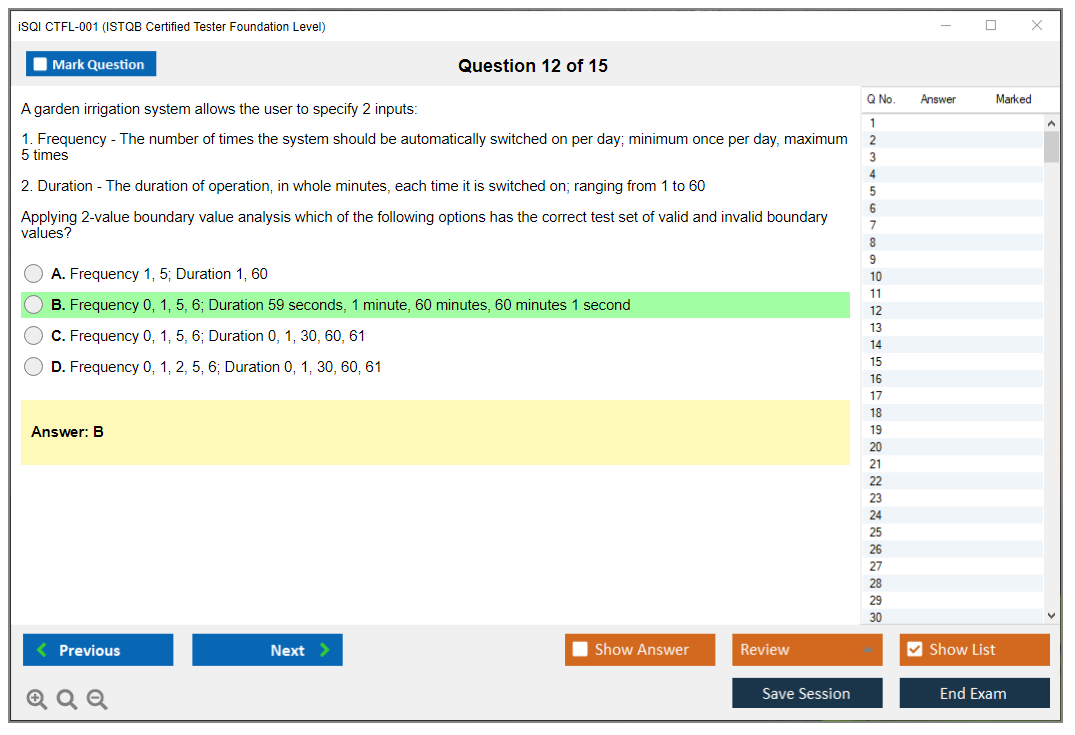
Equivalence Partitioning divides inputs into valid and invalid classes that should behave the same way. Test one value from each partition instead of trying every possible input. Boundary Value Analysis focuses on partition edges because that's where bugs love to hide. Minimum values, maximum values, just inside boundaries, just outside boundaries.
Decision Tables test combinations of conditions and resulting actions, which is perfect for complex business rules with multiple interacting conditions. State Transition Testing models system states and transitions between them, catching invalid state changes and missing transitions.
White-box techniques include statement coverage (executing each line at least once) and decision coverage (testing both true and false outcomes of every decision point). Not gonna lie, 100% statement coverage sounds great but doesn't guarantee you caught all bugs. You could execute every line without testing all the logic paths. This happens more often than you'd expect in real projects.
Experience-based techniques like Error Guessing and Exploratory Testing complement formal techniques. Error Guessing anticipates defects based on your experience with similar systems. Exploratory Testing combines simultaneous learning, test design, and execution, which works great when requirements are unclear or changing rapidly.
If you want hands-on practice with these concepts, the CTFL-001 Practice Exam Questions Pack gives you realistic scenario-based questions that mirror actual exam difficulty for $36.99.
Managing test activities without losing your mind
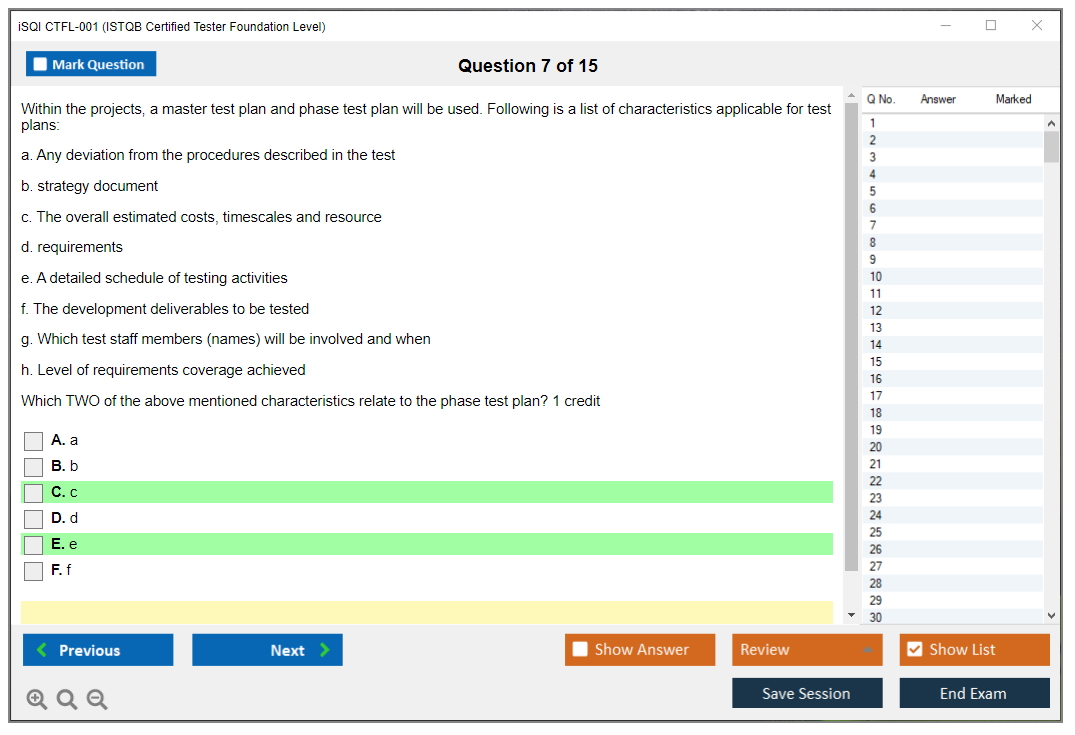
Chapter 5 covers test management across 250 minutes. Test planning defines objectives, approach, resources, and schedule. Your test plan needs scope, test approach, entry and exit criteria, and risks. Test strategy is higher-level than test plan. Strategy sets overall direction, plan gets into specifics.
Risk-based testing prioritizes effort based on risk levels. Product risks are potential defects affecting users. Security vulnerabilities, data corruption, performance failures. Project risks threaten project success. Schedule delays, resource shortages, skill gaps. You identify risks, assess them using likelihood times impact, then mitigate by allocating more testing effort to high-risk areas.
Estimation techniques include metrics-based approaches using historical data, expert-based estimation, and planning poker for Agile teams. Test effort depends on product complexity, development process maturity, people skills, and test results feeding back into planning.
Test monitoring tracks execution against plan.
Metrics like test case execution status, defect density, and defect detection rate tell you whether you're on track. Test control means taking corrective action when you deviate from plan. Test reporting communicates status to stakeholders in language they understand. Executives care about risk and schedule, not code coverage percentages.
Configuration management provides version control for testware and test environments. Traceability links test basis to test conditions to test cases to defects, which proves you actually tested what you said you'd test.
Defect lifecycle and incident reporting require specific skills. Your defect report needs identification info, clear description, steps to reproduce, severity assessment, and priority. Severity reflects technical impact while priority indicates business urgency. They're not the same thing. A cosmetic bug on the login screen might be low severity but high priority if it embarrasses the company.
Tool support that actually helps instead of creating more work
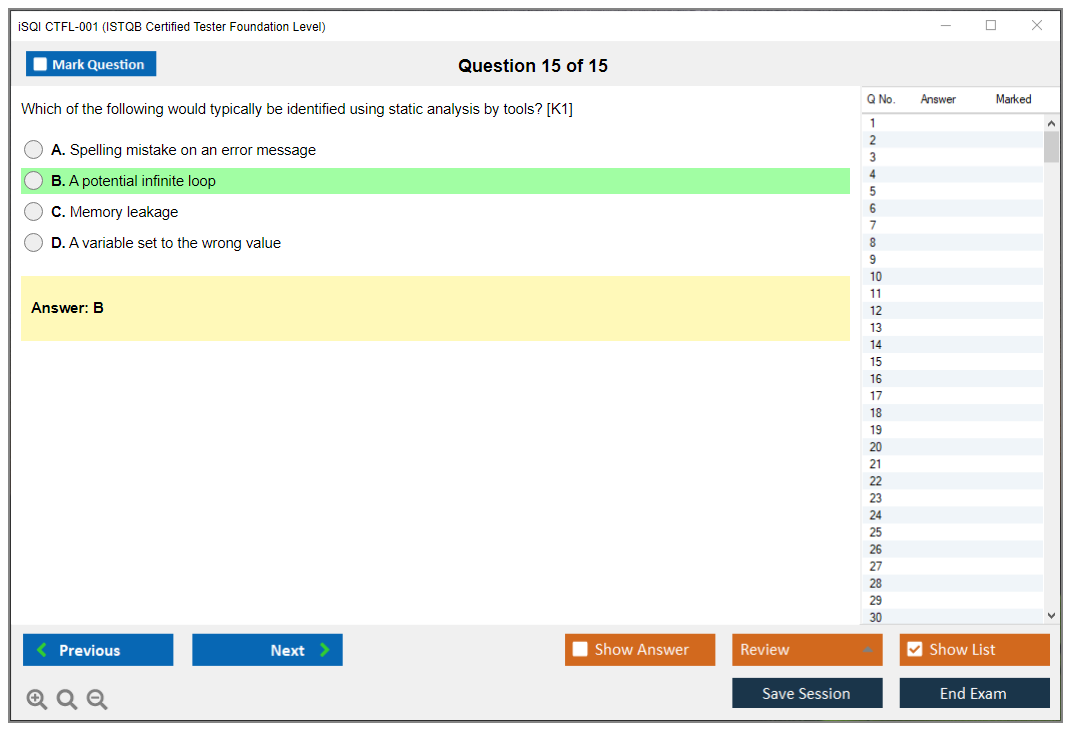
Chapter 6 wraps up in 80 minutes covering test tools. Test management tools organize test cases, track execution, and generate reports. Static testing tools include static analyzers and linters that find code issues without execution. Test design tools support model-based testing and test data generation. Test execution tools? Test runners, capture and playback tools, and coverage analyzers.
Performance and monitoring tools handle load testing and performance profiling. DevOps and CI/CD tools enable continuous testing in deployment pipelines.
Benefits of test automation include repeatability, consistency, faster regression testing, and ability to run tests overnight. But risks exist too. Unrealistic expectations about what automation can achieve, maintenance overhead as the application changes, and substantial initial investment in frameworks and training.
Tool selection requires requirements analysis, proof of concept evaluation, and pilot projects before organization-wide rollout. You need training and support for tool users, integration with existing processes, and monitoring of ROI to justify continued investment.
The syllabus structure fits with how certification programs like ISTQB Certified Tester Foundation Level and related certifications build on each other. Once you pass CTFL-001, you can pursue specialized certifications like Certified Tester Foundation Level Agile Tester or ISTQB Certified Tester Advanced Level - Test Manager.
Connecting learning objectives to exam success
Each chapter's learning objectives map directly to exam questions. Fundamentals questions test whether you understand why testing exists and what it accomplishes. SDLC questions assess your knowledge of when and how to test across different development models. Static testing questions verify you know review techniques and when to apply them.
Test technique questions form the largest exam section because you need to demonstrate practical application. You'll get scenarios asking which technique fits best or how to calculate coverage for a specific technique. Management questions test planning, monitoring, risk assessment, and defect management understanding.
The syllabus study time recommendations reflect relative importance and complexity. 175 minutes for fundamentals, 335 minutes for test techniques. Not everyone needs exactly these durations, but they indicate where to focus effort.
Practical application matters.
Understanding when to use Boundary Value Analysis versus Decision Tables, or when Exploratory Testing beats scripted testing, separates candidates who pass from those who don't.
For full practice with these concepts, the CTFL-001 Practice Exam Questions Pack covers all six chapters with detailed explanations that reinforce learning objectives and clarify tricky distinctions between similar concepts.
CTFL-001 Exam Cost, Registration, and Administrative Details
What iSQI CTFL-001 is (ISTQB Certified Tester Foundation Level)
The iSQI CTFL-001 ISTQB Certified Tester Foundation Level exam? It's basically the go-to "first serious credential" folks snag when they're trying to establish QA credibility without claiming they've been architecting test frameworks since the Bush administration.
It's vendor-neutral, theory-heavy, and here's the thing. Actually useful in ways you wouldn't expect until you're three months into a new role and everyone's speaking the same testing language for once.
Not perfect, obviously. Still worth your time.
If you're career-switching, battling ATS resume filters, or you're that dev who constantly gets the "hey can you just quickly validate this" Slack ping, the ISTQB CTFL-001 exam hands you shared vocabulary and foundational practices that hiring managers really recognize across companies.
Who should take the CTFL-001 certification?
Manual testers. Junior automation engineers. Business analysts writing acceptance criteria. Developers shipping code with that classic "works fine locally" energy. Managers needing to decode what their QA team's actually discussing in standups.
Career switchers especially. Bootcamp graduates. Interns wanting credibility.
CTFL-001 benefits for QA, testers, developers, and business analysts
Honestly? The biggest payoff is everyone finally speaking the same dialect. The exam drills terminology you'll encounter in actual sprint planning sessions. Defect lifecycle details, incident reporting protocols, severity versus priority distinctions, and why saying "we tested everything" means absolutely nothing without documented context, measured coverage, and identified risk zones.
Also, recruiters literally keyword-search for this certification, which is a huge chunk of its practical value whether we admit it or not.
CTFL-001 exam overview
The CTFL-001 exam's multiple-choice, closed book, and engineered to verify you grasp the CTFL-001 syllabus and objectives conceptually, not whether you've memorized random fragments. You'll face plenty of scenario-based questions where two options seem "reasonably correct" and one precisely matches syllabus phrasing.
No coding challenges. Zero hands-on labs. Pure conceptual understanding.
Exam format (questions, time limit, delivery options)
Standard format: 40 multiple-choice questions. You get 60 minutes typically, with extended time for non-native speakers depending on your exam provider's policies. Delivery happens through Pearson VUE test centers or online proctored sessions (OnVUE) in most regions, which works great until your webcam spontaneously decides firmware updates are urgent mid-exam.
Everyone obsesses over the ISTQB Foundation Level passing score. It's 65% under standard protocols, meaning 26 correct out of 40 total questions. Not impossible, but definitely not automatic either, since the wording gets incredibly specific and glossary definitions carry more weight than anyone initially assumes.
CTFL-001 objectives (syllabus domains)
The exam maps directly to CTFL syllabus domains: testing fundamentals, lifecycle integration, static testing and review processes, test design techniques, test management approaches, and tool support considerations. If you're cramming last-minute, don't skip the seemingly boring sections like reviews and traceability. Those deliver easy points if you actually read them once instead of assuming you "get it."
CTFL-001 objectives (syllabus breakdown)
Fundamentals of testing
This section teaches why testing demonstrates defect presence rather than absence, and why exhaustive testing remains physically impossible. You'll also encounter defect clustering and the pesticide paradox, which sound like abstract theory until you realize they're literally describing your last three sprint cycles.
Testing throughout the software development lifecycle
Covers various SDLC models and where testing integrates, plus testing levels and types. This is where candidates constantly confuse "system testing" with "acceptance testing," so I mean, really pay attention to distinctions here.
Static testing (reviews and static analysis)
Static testing and reviews appear frequently throughout the exam. Think walkthroughs, technical review sessions, formal inspections, and why early-stage review saves exponentially more time than late-stage debugging. The exam loves asking which role performs what specific function: moderator responsibilities, author duties, reviewer obligations. Dry material, admittedly, but straightforward points.
Test analysis and design (test techniques)
This forms the core "testing mindset" section. You need solid understanding of test design techniques: black-box approaches, equivalence partitioning fundamentals, boundary value analysis, plus state transition testing, decision tables, and some experience-based testing methodology.
Equivalence partitioning and boundary values deserve dedicated study time, honestly. They're not inherently difficult concepts, but candidates rush through them and then miss questions where the "optimal boundary" sits one value off because they didn't carefully track inclusive versus exclusive ranges.
Test management (planning, monitoring, risk)
This covers test management and test planning basics thoroughly. You'll see test plan purposes, estimation approaches, entry and exit criteria definitions, relevant metrics, and risk-based testing strategies. Not gonna sugarcoat it. This section feels like corporate bureaucracy documentation, but it's also what hiring managers quietly evaluate when deciding between candidates.
Tool support for testing
Tool categories, benefits, and implementation risks. Don't overthink this section. Understand why automation tools can introduce confirmation bias, and why proper training plus ongoing maintenance matter more than initial implementation excitement.
CTFL-001 cost and registration
Money and administrative logistics catch people off-guard because CTFL pricing isn't one universal number globally. It fluctuates based on who's selling it, your geographic location, whether you're bundling training packages, and sometimes local accreditation board markup.
iSQI CTFL-001 exam cost (what affects pricing)
The iSQI CTFL-001 exam cost generally falls within $200 to $350 USD, though that's the "it depends" range because region matters significantly, and your exam provider channel matters equally.
Pricing patterns you'll actually encounter:
- iSQI exam pricing typically runs €200 to €250 across Europe, and $250 to $300 throughout North America. That's the realistic ballpark most candidates should budget when purchasing exam-only registration.
- Pearson VUE exam center fees vs training provider bundled pricing: booking directly through Pearson VUE usually means paying a transparent exam fee. Training providers sometimes roll the exam into package pricing, so the total looks higher upfront, but you're compensating for instructor expertise, full materials, and sometimes retake guarantees.
- Geographic variations: certain countries add local accreditation board fees or carry regional licensing overhead, so identical CTFL-001 exams cost more even when the actual assessment content remains "the same globally." Frustrating? Absolutely.
- Organizational bulk pricing discounts: companies purchasing multiple candidate seats can negotiate volume discounts. This exists but operates through private negotiation rather than public advertising. If your employer's funding this, push them to buy group seats.
One thing candidates forget: currency conversion considerations when booking internationally. Paying in euros with a USD credit card? Your bank will absolutely hit you with foreign exchange fees, and daily exchange rate fluctuations can shift your effective cost by enough to notice.
Training bundles represent the other major cost variable. A training course bundled with the exam typically costs $800 to $1,500 for combined packages, depending on whether it's live instructor-led delivery, includes practice exam access, and whether it's an officially accredited provider. If you're budget-conscious, the self-study exam-only option delivers the best value, assuming you can maintain discipline and you're comfortable working through a syllabus PDF independently.
Additional costs to consider in total certification investment
The exam fee? That's just the obvious line item on your budget. Your total investment depends entirely on how you approach preparation.
Here's the complete real-world cost breakdown:
- Official ISTQB CTFL syllabus: free download directly from the ISTQB website. Grab it immediately. Treat it like your primary study checklist.
- ISTQB glossary: also free, and really necessary for terminology-focused questions since exam answers frequently match glossary phrasing more precisely than whatever terminology your current team uses conversationally.
- Study materials and books: budget $30 to $60 for a recommended textbook. Some candidates skip books entirely and pass fine, but if you want structured explanations with worked examples, a quality book helps significantly.
- Practice test platforms: $20 to $50 for a decent question bank with explanations. This investment pays off if you're someone who learns by doing, because it reveals where you're misinterpreting question wording patterns.
- Accredited training courses: $500 to $1,200 for 3 to 5 days instructor-led sessions. Pricing varies dramatically by country and whether it's corporate group training or public enrollment.
- Online self-paced courses: $100 to $300 for video-based training programs. Great for evening and weekend study, weaker for accountability unless you're self-motivated.
- Retake fees: failing means paying the same cost as your initial exam fee. Some providers bundle one retake, many don't. Always read the fine print before purchasing.
If you're minimizing costs strategically, I'd invest in exactly one thing: a solid practice question set with detailed explanations. Everything else can be free or cheap if you've got actual discipline.
Most candidates won't admit this, but you can absolutely pass spending nothing beyond the exam fee if you're willing to grind through dry PDF documents for a few weeks. I've seen it happen. Not glamorous, requires willpower, but totally doable.
How to register and schedule the exam
Registration itself is usually straightforward, but administrative mistakes happen painfully often and they're totally avoidable.
Most candidates complete direct registration through the Pearson VUE website for either a physical test center or an online proctored exam (OnVUE), assuming that's how CTFL-001 gets delivered in their specific region.
Basic registration flow:
Create your Pearson VUE account. Use your exact legal name. Match your government ID precisely.
That name matching requirement isn't a suggestion. It's mandatory. If your driver's license says "Michael J Smith" and you register as "Mike Smith," you'll get turned away at the test center or flagged by online proctoring verification systems. After account creation, search the exam catalog for ISTQB CTFL-001 exam, select your preferred delivery option, choose date and time slot, then complete payment.
If you're going online proctored? Test your system setup early, like a full day early minimum. Look, OnVUE works fine when everything cooperates, but when technical issues arise, you'll be frantically troubleshooting through a chat window while your scheduled exam window burns.
Retake policy and fees (what to check before booking)
Verify three critical details before clicking purchase: retake policy specifics, reschedule deadline terms, and whether your provider enforces mandatory waiting periods between attempts. Policies vary considerably across providers. The retake fee typically equals the full original fee again, so your cheapest "insurance policy" is simply being thoroughly prepared initially.
Are there formal prerequisites for ISTQB CTFL?
CTFL-001 prerequisites are essentially nonexistent. No degree requirement whatsoever. No mandatory work experience threshold. You simply register, pay, and show up ready to test.
Recommended background (SDLC, QA basics, terminology)
That said, if you've never encountered a bug report template, never participated in a sprint cycle, and can't distinguish verification from validation conceptually, you'll need substantially more preparation time. The exam assumes you can think in terms of requirements traceability, test conditions, and expected versus actual results.
CTFL-001 difficulty and how to pass
How difficult is the CTFL-001 exam?
Moderate difficulty overall. The underlying concepts are relatively simple, but questions get written to test precision and careful reading. If you're skimming casually, you'll miss qualifier words like "best" and "most appropriate" and select a technically true answer that isn't the syllabus-preferred answer.
Common reasons candidates fail
Rushing through glossary term memorization. Completely skipping static testing and review sections. Treating test techniques like basic math you can intuitively wing during the exam. Also, people consistently underestimate how frequently defect lifecycle and incident reporting concepts appear, because they assume it's "just administrative paperwork," then they lose five questions on workflow sequences and required fields.
Time-management strategy for multiple-choice questions
Do one complete pass quickly, flag questions you're uncertain about, then circle back with remaining time. Don't burn four minutes analyzing question 6 while 34 questions remain untouched. You need forward momentum. Also, when two answer choices look nearly identical, check for the one matching ISTQB's specific wording. That's not cynicism, that's understanding the assessment design.
Best CTFL-001 study materials
Official ISTQB CTFL syllabus and glossary
Start with the official syllabus document, then the glossary, then build your personalized notes from those foundations. The syllabus represents the authoritative source for what's testable content. If a topic doesn't appear there, don't obsess over it.
Accredited training providers vs self-study
Accredited training delivers value when you need external structure, an instructor to correct conceptual misunderstandings, and a forced study schedule. Self-study works fine if you can really sit down and focus on reading. Many candidates can't maintain that discipline. No shame in acknowledging it.
Recommended books and notes (what to look for)
Select a textbook that maps chapters directly to syllabus sections, includes sample questions after each chapter, and thoroughly explains why correct answers are correct. Avoid anything veering into tool-specific implementation details or attempting to teach automation frameworks, because that content isn't what CTFL actually tests.
CTFL-001 practice tests and exam questions
Official sample questions and mock exams
Complete the official sample questions first so you learn the question style and wording patterns. Then move to paid question banks if you need additional volume for confidence.
Practice test strategy (reviewing rationales, weak areas)
Don't just mechanically grind through questions hunting for high scores. Review answer explanations carefully, tag your weak syllabus areas systematically, and re-read those specific sections. Practice tests are diagnostic feedback tools, not competitive scoreboards.
How many practice tests you should take
Enough repetitions that question wording patterns stop surprising you. For most candidates, that means 2 to 5 full-length mock exams plus targeted section quizzes on weak areas.
Fast-track plan (1 to 2 weeks)
Read the entire syllabus end-to-end once, skim the glossary daily for terminology reinforcement, and complete one full mock exam every few days with intensive answer review afterward. This timeline's achievable if you're already working in QA roles daily.
Standard plan (3 to 6 weeks)
Cover two or three syllabus sections per week thoroughly, take detailed notes, then complete practice questions after finishing each section. Add a weekly full mock exam near your final week. Slow and steady approach works reliably.
Final-week checklist (revision plus practice exams)
Re-read your accumulated missed-question notes and weak area summaries. Complete one full mock exam under strict time pressure conditions. Confirm your exam appointment details and acceptable ID documentation. Get actual sleep.
Does ISTQB CTFL expire?
People frequently ask about ISTQB CTFL certification renewal because various professional certifications expire on schedules. CTFL generally doesn't expire under the classic ISTQB certification model. Your certificate remains valid indefinitely.
Renewal requirements (when applicable) and how to keep skills current
Even if your certificate doesn't technically expire, your practical knowledge absolutely can become outdated. Stay current by reading release notes from your organization's testing tooling, actively practicing review techniques on real projects, and maintaining sharpness on risk-based testing and test design techniques, because those represent transferable skills that translate well beyond exam content.
Next steps after CTFL (Agile Tester, Test Analyst, Technical Test Analyst)
If you want progression beyond foundation level, explore Agile Tester extensions, or the specialist certification tracks like Test Analyst or Technical Test Analyst depending on whether you lean toward product strategy thinking or deeper technical implementation expertise.
CTFL-001 FAQ
Cost, passing score, difficulty (quick answers)
How much does the iSQI CTFL-001 exam cost? Typically $200 to $350 USD, with iSQI often charging €200 to €250 across Europe and $250 to $300 in North America, depending on provider and specific region.
What is the passing score for ISTQB Foundation Level (CTFL)? 65% minimum, which typically means 26 correct out of 40 total questions.
How hard is the CTFL-001 exam, and how long should I study? Moderate difficulty level, and most candidates need 1 to 6 weeks depending on existing experience and how much focused time they can actually dedicate.
Study materials and practice tests (quick answers)
What study materials and books are best for CTFL-001? Begin with the free syllabus and glossary documents,
Conclusion
Getting your CTFL-001 sorted
The iSQI CTFL-001 ISTQB Certified Tester Foundation Level? It's not impossible.
Honestly, it's structured and fair. If you actually put in the hours with decent materials, you'll pass. The ISTQB Foundation Level passing score hovers around 65% for most exam boards, giving you wiggle room to miss questions and still walk away certified. But that doesn't mean you should coast through or wing it. Software testing fundamentals certification matters 'cause hiring managers really recognize this one.
How you study?
That matters way more than the timeline. I've watched people cram the CTFL-001 syllabus and objectives in two weeks and nail it. Others stretch it across two months and still faceplant because they never actually practiced applying test design techniques like equivalence partitioning or boundary value analysis. The exam tests whether you understand concepts well enough to use them in real-world situations. Static testing and reviews, defect lifecycle stuff, test management and test planning basics. You've gotta know how these work in actual scenarios, not just memorize definitions.
The iSQI CTFL-001 exam cost bounces around by region and provider, typically between $200-$300. Failing 'cause you didn't use quality CTFL-001 study materials is basically torching money. Practice tests? Non-negotiable. You've gotta see how questions are phrased, where the sneaky wording hides, which topics keep popping up. One or two mock exams won't cut it. You should be hammering through at least five or six full practice runs, reviewing every wrong answer, digging into why you bombed it.
I learned that lesson the hard way with a different cert years back, thought I could just read through slides and call it good. Walked out feeling like I'd been hit by a truck.
Here's something cool about ISTQB CTFL certification renewal: the Foundation Level doesn't expire. Ever. Once you pass, you're certified for life, which makes it even more worth the effort upfront. No renewal fees haunting you later.
If you're serious about passing on your first shot, don't just skim the syllabus and pray. Get your hands on actual practice materials that mirror the real exam format and difficulty. The CTFL-001 Practice Exam Questions Pack at /isqi-dumps/ctfl-001/ gives you that targeted prep with real exam-style questions and detailed explanations.
Not gonna sugarcoat it. Having a solid question bank made the difference for me between "I think I know this" and actually feeling confident walking into the test center.
You've got this. Just commit to the prep work and use resources that actually prepare you for what's coming.

